0
- Δωρεάν μεταφορικά
0
0
- Δωρεάν μεταφορικά
0
- Δωρεάν μεταφορικά
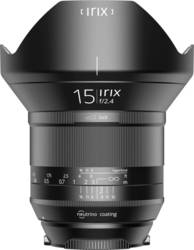
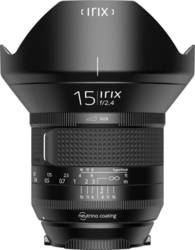
Irix Blackstone 15mm f/2.4 Full Frame για Nikon F Μount
Wide Angle, Σταθερός, Autofocus
από745,00 € σε 2 καταστήματα0
- Δωρεάν μεταφορικά
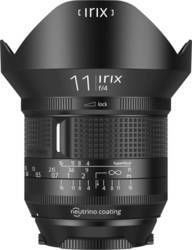
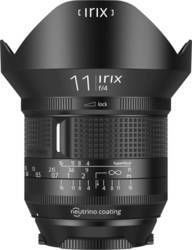
Irix Firefly 11mm f/4.0 Full Frame για Nikon F Μount
Wide Angle, Σταθερός, Autofocus
από579,00 € σε 3 καταστήματα0
- Δωρεάν μεταφορικά
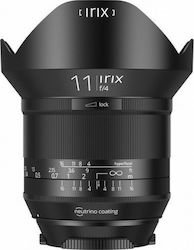
Irix 11mm f/4 Blackstone Full Frame για Nikon F Μount
Wide Angle, Σταθερός, Autofocus
από695,00 € σε 2 καταστήματα0
Φίλτρα
ΚαθαρισμόςΠροτεινόμενα
- Το "mount" είναι το σύστημα σύνδεσης του φακού με την κάμερα. Κάθε κάμερα έχει το δικό της mount (π.χ. Canon EF, Sony E). Για να βρει κάποιος το mount της κάμεράς του, αρκεί να ελέγξει τις προδιαγραφές της και να επιλέξει φακό με το ίδιο mount.
- Full Frame: Φωτογραφικοί φακοί που προορίζονται για χρήση σε μηχανές με αισθητήρα full frame (πλήρους κάδρου). Χρησιμοποιείται για φωτογραφία πορτρέτου, τοπίου και άλλες απαιτητικές εφαρμογές.
- Crop Frame: Φακοί που προορίζονται για χρήση σε μηχανές με αισθητήρα crop frame (μικρότερου κάδρου). Ιδανικοί για γενική φωτογραφία, πορτρέτα, και αθλητική φωτογραφία, καθώς παρέχουν μεγαλύτερη εστιακή απόσταση, κατάλληλοι για μακρινές λήψεις ή zoom.
- Medium Format: Φωτογραφικοί φακοί που προορίζονται για χρήση σε μηχανές μεσαίου φορμά (μεγαλύτερο από το full frame). Αυτοί οι φακοί προσφέρουν εξαιρετική ανάλυση, βάθος πεδίου και χρωματική ακρίβεια, κάνοντάς τους ιδανικούς για επαγγελματική φωτογραφία.
- Σταθερής Εστιακής Απόστασης: Φακοί με σταθερή εστιακή απόσταση, γνωστοί και ως ''prime'' που δεν μπορούν να ζουμάρουν (να αλλάξει το μέγεθος του πλάνου) αλλά προσφέρουν καλύτερη ποιότητα εικόνας. Ιδανικοί για πορτρέτα και φωτογραφία χαμηλού φωτισμού.
- Zoom Σταθερού Διαφράγματος: Φακοί που η ελάχιστη τιμή διαφράγματος παραμένει ίδια (σταθερή φωτεινότητα) όσο μεγαλώνει το ζουμ Ιδανικοί για φωτογραφία σε χαμηλό φωτισμό και επαγγελματικές εφαρμογές.
- Zoom Μεταβλητού Διαφράγματος: Φακοί που η ελάχιστη τιμή διαφράγματος αλλάζει (μειώνεται η φωτεινότητα) όσο μεγαλώνει το ζουμ. Ιδανικοί για γενική φωτογραφία, ταξιδιωτική φωτογραφία και καθημερινές λήψεις.
- f/1.2: Εξαιρετικά φωτεινό διάφραγμα για πολύ χαμηλό φωτισμό και έντονο θόλωμα φόντου (bokeh).
- f/1.4: Είναι ένα πολύ φωτεινό μέγιστο διάφραγμα, που επιτρέπει την είσοδο περισσότερου φωτός στον αισθητήρα, ιδανικό για λήψεις σε χαμηλό φωτισμό.
- f/1.8: Πολύ φωτεινό διάφραγμα, ιδανικό για πορτρέτα και λήψεις σε συνθήκες χαμηλού φωτισμού.
- f/2: Είναι ένα αρκετά φωτεινό μέγιστο διάφραγμα, επιτρέποντας καλές λήψεις σε χαμηλό φωτισμό και προσφέρει καλή απομόνωση θέματος.
- f/2.8: Είναι ένα φωτεινό διάφραγμα, ιδιαίτερα κοινό σε επαγγελματικούς zoom φακούς. Προσφέρει καλή απόδοση σε χαμηλό φωτισμό και ικανοποιητικό αποτέλεσμα θολώματος.
- f/3.5: Ισορροπημένη επιλογή για γενική φωτογράφιση με καλή φωτεινότητα και μεγαλύτερο βάθος πεδίου.
- f/4: Είναι ένα μεσαίο διάφραγμα που χρησιμοποιείται συχνά σε zoom φακούς για ευελιξία και φορητότητα. Παρέχει ικανοποιητική απόδοση σε καλό φωτισμό, αλλά σε low light μπορεί να χρειαστεί υψηλότερο ISO ή χαμηλότερη ταχύτητα κλείστρου.
- f/4.5: Μικρότερο μέγιστο άνοιγμα διαφράγματος, κατάλληλο για λήψεις με περισσότερο βάθος πεδίου και καλό φωτισμό.
- f/5.6: Είναι ένα μικρότερο διάφραγμα που προσφέρει μεγαλύτερο βάθος πεδίου, καθιστώντας το ιδανικό για τοπία και φωτογραφία προϊόντων, όπου απαιτείται περισσότερη ευκρίνεια σε όλο το κάδρο.
- AutoFocus: Λειτουργία αυτόματης εστίασης. Ιδιαίτερα χρήσιμη για φωτογράφιση θεμάτων που βρίσκονται σε κίνηση (π.χ. παιδιά που παίζουν).
- Macro: Φακοί με δυνατότητα φωτογράφισης θεμάτων από πολύ μικρή απόσταση.
- Σταθεροποιητής Εικόνας: Λειτουργία για λιγότερο κουνημένες φωτογραφίες και βίντεο με λήψεις στο χέρι, ειδικά σε χαμηλές φωτιστικές συνθήκες.
- Tilt-Shift: Φακοί με δυνατότητα διόρθωσης της προοπτικής. Κυρίως για αρχιτεκτονική φωτογραφία.
- Fisheye: Υπερευρυγώνιοι φακοί με γωνία λήψης κοντά στις 180° και εφέ έντονης παραμόρφωσης.
- Pancake: Φακοί με ιδιαίτερα μικρό μέγεθος, για εύκολη μεταφορά και πιο διακριτική χρήση.
- Τηλεφακός: με εστιακή απόσταση 100mm έως 300mm είναι ιδανικοί για την φωτογράφιση ενός μακρινού αντικειμένου, λόγω της μεγάλης μεγέθυνσης που παρέχουν.
- Υπερευρυγώνιος: με εστιακή απόσταση έως 24mm και χρήση που προσανατολίζεται κυρίως προς την φωτογραφία τοπίου και αρχιτεκτονικής.
- Ευρυγώνιος: με εστιακή απόσταση 24mm έως 35mm προκαλούν λίγη παραμόρφωση και κάνουν τα στοιχεία να φαίνονται μακρύτερα από ό,τι στην πραγματικότητα.
- Υπερτηλεφακός: με εστιακή απόσταση μεγαλύτερη των 300mm πετυχαίνουν την μεγαλύτερη μεγέθυνση των αντικειμένων και χρησιμοποιούνται κυρίως στην φωτογραφία άγριας φύσης, ή οπουδήποτε είναι απαραίτητες οι μεγάλες αποστάσεις.
- Μικρός Τηλεφακός: με εστιακή απόσταση 70mm έως 100mm αποτελούν δημοφιλής επιλογή για πορτραίτα, καθώς συμπιέζουν την προοπτική και πετυχαίνουν απομόνωση του αντικειμένου από το φόντο.
- Κανονικός: με εστιακή απόσταση 40mm έως 60mm πλησιάζουν την γωνία θέασης του ανθρώπινου ματιού, είναι οι πλέον συνηθισμένοι και χρήσιμοι για γενικές φωτογραφίες.
- 24 - 70mm: Πολύ ευέλικτος φακός για καθημερινή χρήση, πορτραίτα και τοπία.
- 70 - 200mm: Τηλεφακός ιδανικός για πορτραίτα, αθλητικά και απομακρυσμένα θέματα με μεγάλη εστίαση.
- 70 - 300mm: Μεγαλύτερος τηλεφακός για άγρια ζωή, αθλητικά και θέματα σε μεγάλη απόσταση.
- 24 - 105mm: Ελαφρώς μεγαλύτερο εύρος για ταξίδι και γενική φωτογράφιση, καλύπτει πορτραίτα, τοπία και πιο απομακρυσμένα θέματα.
- Παραγωγή Βίντεο: Φακοί για βίντεο με σταθερή εστίαση και δυνατότητα σταθεροποίησης εικόνας, ιδανικοί για κινηματογράφηση.
- Φωτογραφία Άγριας Ζωής & Αθλημάτων: Φακοί για φωτογράφηση άγριας ζωής και αθλητικών γεγονότων, με μεγάλες εστιακές αποστάσεις και γρήγορη εστίαση.
- Φωτογραφία Τοπίου: Φακοί για φωτογράφηση τοπίων, με ευρύ πεδίο και μικρό διάφραγμα για μεγάλες περιοχές εστίασης και καθαρότητα.
- Φωτογραφία Πορτραίτου: Φακοί ιδανικοί για πορτρέτα με μεγάλο διάφραγμα για όμορφο θόλωμα φόντου.