Concrete Bucket: Special attachment used for the transport and controlled pouring of concrete at specific points on the construction site, usually with the use of a crane. It allows precise placement of the material into forms or hard-to-reach areas.
Construction Cart: Transport means for materials such as sand, cement, or stones. It features a reinforced frame and a heavy-duty bucket for use on construction sites and in building work.
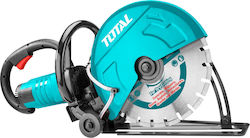
Cut off Saw: Tool designed for the precise cutting of hard construction materials, such as bricks, stones, and concrete. It is used in construction work to adjust materials to the desired dimensions.
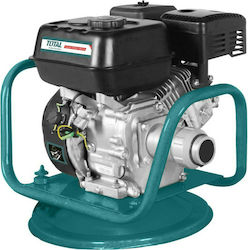
Concrete Vibrator: Tool that removes air bubbles from fresh concrete, ensuring proper compaction and maximum structural strength.
Styrofoam/Polystyrene Cutter: Tool designed for cutting polystyrene (styrofoam) boards. It enables clean, precise cuts without crumbling the material, making thermal insulation and decorative work easier.
Compactor: A machine used to compact soil, sand, or gravel, ensuring a stable and level base for construction work, such as paving or foundations.
Floor Grinder: Special machine designed for sanding, cleaning, or preparing floor surfaces. It is used to remove irregularities and residues from materials such as wood, concrete, or marble, ensuring a uniform finish.
Trowel: Used for grinding, cleaning, or polishing floor surfaces (concrete, marble, stone). It removes imperfections and prepares the surface for the final coating.
Floor Saw for Asphalt and Concrete Cutting: A machine used for cutting hard surfaces such as asphalt and concrete. It is essential for creating expansion joints or for road and floor repair work.
Power Plaster: Used for the automatic transfer and application of mortars (plaster, mud) on walls and floors, making construction work easier and faster.
MIxer: Tool designed for mixing construction materials such as paints, adhesives, and mortars. It ensures a homogeneous, lump-free mixture, making it easier to prepare materials for construction or renovation work.
Gasoline: They offer high power and mobility, as they do not depend on cables, making them suitable for outdoor work and construction sites without a power supply.
Electric: Provides continuous power without the need for recharging, making it suitable for long-duration tasks in areas with access to electricity.
Battery: Offers complete freedom of movement without the need for cables or connection to a power outlet. Ideal for outdoor tasks or locations without access to electricity.
Diesel: It offers high performance, great durability for heavy-duty tasks, and fuel efficiency during extended use, making them ideal for professional applications on construction sites.
Up to 1500 Watt: Tools with power up to 1500W are suitable for light to medium tasks, offering flexibility and lower energy consumption. Ideal for home use or less demanding professional applications.
From 1500 Watts and above: High-power tools suitable for heavy construction work and hard materials. They offer maximum performance for continuous professional use or demanding projects that require increased cutting or drilling power.