

Οδηγός Αγοράς: Πώς να επιλέξεις τα κατάλληλα Μπασκετικά Παπούτσια
Το μπάσκετ είναι ένα άθλημα γεμάτο εκρηκτικότητα, απότομα σταματήματα (crossovers), άλματα και συνεχείς αλλαγές κατεύθυνσης. Αυτό σημαίνει ότι τα παπούτσια σου δεν είναι απλά θέμα στυλ ή "hype", αλλά το πιο κρίσιμο εργαλείο για να αποδώσεις στο 100% και –κυρίως– να προστατεύσεις τα γόνατα και τους αστραγάλους σου από τραυματισμούς.
Η ποικιλία είναι τεράστια (από τα signature μοντέλα του Giannis, του LeBron, του Curry μέχρι κλασικά Jordan). Πάμε να δούμε πώς θα βρεις το ιδανικό ζευγάρι για το δικό σου στιλ παιχνιδιού.
1. Στιλ παιχνιδιού
Κάθε θέση και στιλ παίκτη επηρεάζει τα χαρακτηριστικά του παπουτσιού του:
Α. Fast Guards / Playmakers (Ταχύτητα & Ευελιξία)
Αν είσαι ο τύπος που τρέχει στον αιφνιδιασμό, κάνει συνεχώς ντρίμπλες και βασίζεται στην ταχύτητα, χρειάζεσαι ένα παπούτσι ελαφρύ.
- Τι να ψάξεις: Παπούτσια Low-cut (χαμηλά) ή Mid-cut (μεσαία) που αφήνουν ελεύθερο τον αστράγαλο.
- Βασικό χαρακτηριστικό: Κορυφαία πρόσφυση (traction) για να μην γλιστράς στις στροφές και χαμηλό προφίλ αντικραδασμικής προστασίας για να «νιώθεις» το παρκέ (court feel).
Β. All-Around Forwards (Δύναμη & Εκρηκτικότητα)
Αν παίζεις στις θέσεις 3-4, ποστάρεις, μαζεύεις ριμπάουντ αλλά βγαίνεις και στην περιφέρεια, χρειάζεσαι έναν συνδυασμό προστασίας και ευελιξίας.
- Τι να ψάξεις: Παπούτσια Mid-cut που προσφέρουν ισορροπημένη υποστήριξη.
- Βασικό χαρακτηριστικό: Υβριδική αντικραδασμική προστασία που απορροφά τους κραδασμούς από τα άλματα, αλλά επιτρέπει και γρήγορα ξεκινήματα.
Γ. Big Men / Centers (Απόλυτη Προστασία & Σταθερότητα)
Αν παίζεις με σπρωξίματα και πηδάς συνεχώς για ριμπάουντ και τάπες, το σώμα σου δέχεται τις μεγαλύτερες καταπονήσεις.
- Τι να ψάξεις: Παπούτσια High-cut (ψηλά) που «κλειδώνουν» πλήρως τον αστράγαλο.
- Βασικό χαρακτηριστικό: Μέγιστη αντικραδασμική προστασία (π.χ. Nike Air Max, Zoom Strobel, ή thick αφρούς) για να προστατεύονται οι αρθρώσεις σου κατά την προσγείωση.

2. Τύπος Παρκέ (Indoor) vs Τσιμέντο (Outdoor)
Ένα παπούτσι που είναι τέλειο για το κλειστό γυμναστήριο, μπορεί να καταστραφεί σε 2 εβδομάδες στο ανοιχτό γήπεδο της γειτονιάς.
- Ανοιχτά γήπεδα (τσιμέντο/άσφαλτος): Το τσιμέντο λειτουργεί σαν γυαλόχαρτο. Χρειάζεσαι παπούτσια με σκληρό και παχύ καουτσούκ στην εξωτερική σόλα. Ψάξε για μοντέλα που αναφέρουν τεχνολογίες αντοχής (όπως η XDR της Nike) και έχουν βαθιές, χοντρές αυλακώσεις στο πέλμα.
- Κλειστά γήπεδα (παρκέ/πλαστικό): Χρειάζεσαι μαλακό καουτσούκ με μοτίβο ψαροκόκκαλο για να σταματάς ακαριαία, ακόμα και αν το παρκέ έχει λίγη σκόνη.
3. Πώς να Επιλέξεις Μέγεθος (Size Guide)
- Μέτρα το πόδι σου σε εκατοστά (cm): Βάλε μια λευκή κόλλα χαρτί στον τοίχο, πάτα πάνω, σημάδεψε το μεγάλο δάχτυλο και μέτρησε την απόσταση. Δες το μεγεθολόγιο της εταιρείας (Nike, Adidas, Under Armour, Puma) και βρες το αντίστοιχο US ή EU νούμερο με βάση τα εκατοστά.
- Υπολόγισε την μπασκετική κάλτσα: Στο μπάσκετ φοράμε πάντα χοντρές, αθλητικές κάλτσες. Αν είσαι οριακά ανάμεσα σε δύο νούμερα, προτίμησε το μισό νούμερο μεγαλύτερο για να έχεις τον απαραίτητο «αέρα» (περίπου μισό εκατοστό) μπροστά στα δάχτυλα όταν σταματάς απότομα.
- Λάβε υπόψη το φάρδος: Αν έχεις πλατύ πόδι, απέφυγε τα πολύ στενά μοντέλα (όπως η σειρά Kyrie ή μερικά Kobe) και προτίμησε brands ή σειρές που φημίζονται για την πιο άνετη/φαρδιά γραμμή τους (π.χ. Adidas ή Puma).
✨ Νέες Αφίξεις
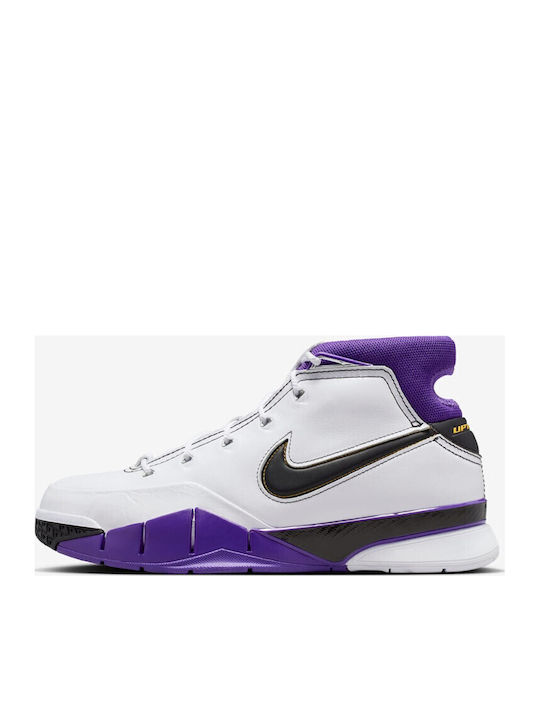


✨ Δημοφιλείς Σειρές
4. Τι να Προσέξεις
- Υλικό Επάνω Μέρους: Τα πλεκτά/υφαντά υλικά (Knit/Mesh) προσφέρουν απίστευτη άνεση, αναπνέουν και παίρνουν το σχήμα του ποδιού σου. Τα συνθετικά δέρματα προσφέρουν μεγαλύτερη σταθερότητα και αντοχή στο χρόνο, αλλά είναι πιο «δύσκαμπτα» τις πρώτες φορές που θα τα φορέσεις.
- Διάβασε τα Σχόλια: Ψάξε για reviews χρηστών που αναφέρουν αν το παπούτσι «γλιστράει» ή αν χρειάστηκε να πάρουν μεγαλύτερο νούμερο (true to size ή όχι).
Χρησιμοποίησε τα φίλτρα του Skroutz για να επιλέξεις το νούμερό σου, το brand που προτιμάς ή το εύρος τιμών που διαθέτεις, και βρες το ιδανικό ζευγάρι που θα σε πάει... "straight to the rack"!
Σχετικά Άρθρα
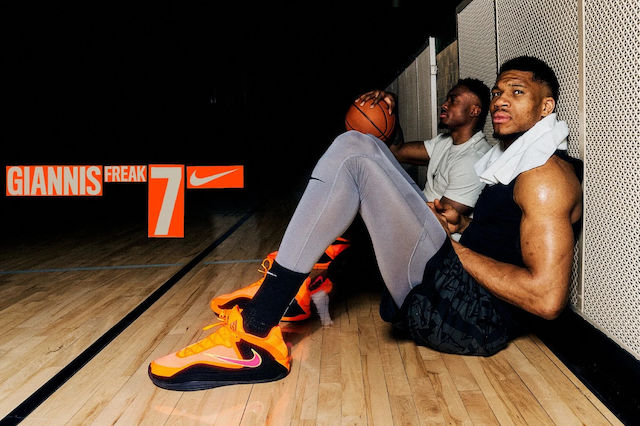
Giannis Freak 7
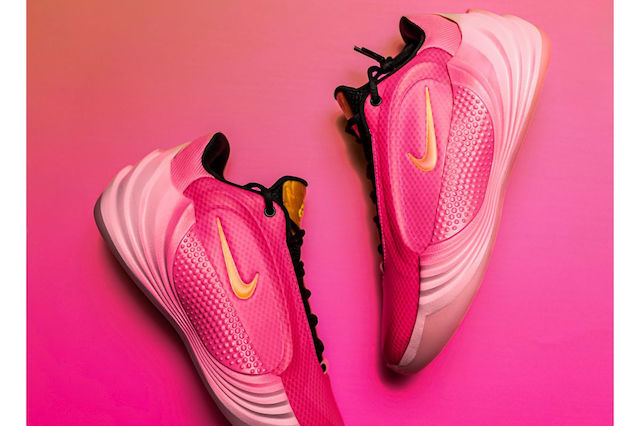
Giannis Freak 8

Οδηγός αγοράς για Αθλητικά Παιδικά Παπούτσια
Άφησε πρώτος το σχόλιό σου!