

Buying Guide for Kids' Athletic Shoes
The selection of children's shoes is important and should be done with care, given that children's feet are constantly growing and need the right support. Whether you choose them for their first steps or for school and daily activities, children's athletic shoes must meet certain specifications that make them ideal.
How do you choose the right athletic shoes?
Participation in a sport
If the child plays basketball, soccer, or does any other sport, you need to find the right shoe based on the manufacturer's specifications. All major sports brands have corresponding shoes, designed according to the sport for which they are intended.
- Basketball: It should cover the ankle (mid-top) for stability and have a sole that does not slip during sudden changes of direction.
- Running: It should be very lightweight, breathable, and have reinforced foam in the sole to absorb shocks.
- Soccer: It should have the appropriate sole depending on the surface (grass, turf, or indoor).
-
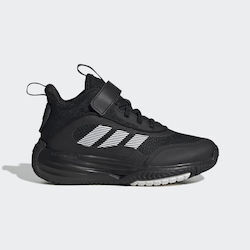 For Basketball
-
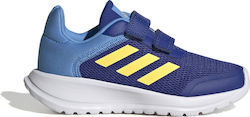 For Running
-
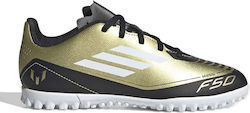 For Football
-
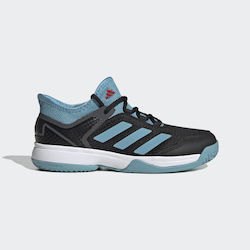 For Tennis
How do you know you have chosen the right size?
Children's feet are constantly growing, so we need to check often if the shoe remains comfortable.
Tip: Take the measurement in the afternoon, when your child's foot is at its largest after a whole day.
- The test: When the child puts on the sneakers (with their socks), they should stand up. Check with your finger that there is about 1 centimeter of space between the big toe and the tip of the shoe.
- Attention: Do not intentionally buy a larger size so that "they can wear it next year." Oversized shoes do not support the foot, cause instability, blisters, and hinder the proper development of the sole.

With laces or Velcro
- For younger children: The best choice is Velcro (stickers). They are very easy to put on and take off, which helps parents a lot and also supports the child's independence.
- For older children: Laces offer better and more precise adjustment to the foot, as long as the child knows how to tie them properly on their own.
Which materials to prefer
- Breathability: Choose materials such as mesh (net fabric) that allow air to circulate, especially if the child sweats easily. Synthetic leather is durable for winter, but it "warms" the foot more.
- Flexibility: The sole should be flexible at the front (where the toes bend) to allow natural movement, but firm in the middle to support the arch.
- Grip: The outer sole should be made of rubber so the child does not slip while running or playing.

Technologies & materials you should know:
Upper part
- Synthetic leather: flexible and durable material that withstands friction, is lightweight and allows the foot to breathe better.
- Mesh fabric: lightweight mesh polyester fabric that allows the foot to "breathe," keeping feet dry and cool during exercise.
- Leather: durable and adapts to the shape of the foot, offering comfort. Ideal for winter months.
- Water-repellent materials: provide waterproofing to the shoe and do not allow water to penetrate in case of rain.
Inside the shoe
- EVA midsole: sole made of soft and flexible material that contributes to walking comfort and shock absorption.
- Polyurethane insole: foamed plastic, lightweight, flexible and highly resistant to friction.
- Phylon insole: white foamed synthetic plastic that offers support and shock absorption.
- Ortholite insole: antimicrobial insole that provides improved breathability, sweat and odor control, and shock absorption.
- Cloudfoam insole (adidas): soft material that adapts to the shape of the foot, offering comfort, a soft step, and cushioning.
- Ampli-Foam (Asics): durable and elastic material that retains its shape and offers great bounce, making the running experience more intense.
- Adifit insole (adidas): technology from adidas for choosing the correct size.
- Zoom Air cushioning (Nike): offers a quick and immediate high-response feel when lifting the foot off the ground.
Outsole
- It is usually made of rubber, a highly durable material with abrasion resistance and anti-slip properties. It provides good traction in sports activities (good grip) and stability when walking and running.
A special category of outsole includes football shoes, for use on different pitches:
- Grid sole: Suitable for use on pitches with classic turf.
- Studded sole: Suitable for use on pitches with natural or artificial grass. They come in various types (FG, SG, MG, AG) depending on the surface.
- Indoor sole: Suitable for use on indoor courts.
Relevant Articles

The best athletic shoes for active kids
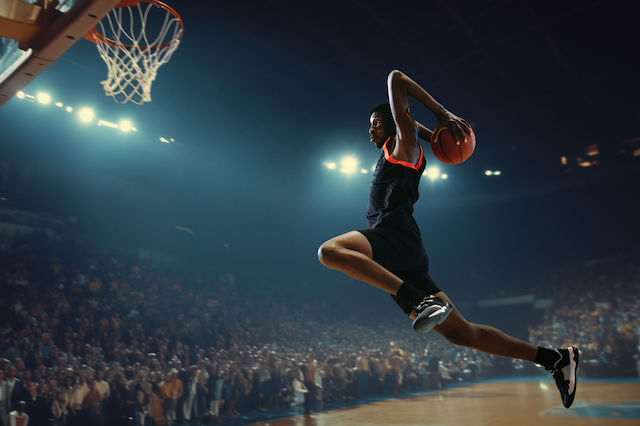
Buying Guide: How to Choose the Right Basketball Shoes
Buying Guide for Kids' Scooters
Be the first to leave a comment!