

How to Choose the Right Camping Mattress
When preparing for camping, the sleeping pad is just as important (maybe even more!) as the sleeping bag. Many people think that the pad is only there to make the ground softer and keep rocks from bothering us. The truth is t
Let's see in simple terms how you can choose the right one for you.
The 3 Main Types of Sleeping Pads
There are three main types available on the market.
Each one has its advantages and disadvantages.
Foam Pads (Foam / Karrimat)
- What it is: The classic, lightweight pad that looks like a yoga mat.
- Pros: Very cheap, ultra-lightweight, and never breaks. Even if it gets torn, it still does its job.
- Cons: Bulky (does not fold, only rolls up) and is the least soft of all.
- Ideal for: Beginners, people on a low budget, or those who want something completely indestructible.
What it is: A combination of foam and air. You open the valve and it draws in air by itself, inflating for the most part (you may need to blow into it once or twice at the end).
Pros: They are very comfortable, offer excellent warmth, and fold up quite easily.
Cons: They are heavier than the other two types and there is a (small) risk of puncture.
Ideal for: Car camping (when you drive up to your tent) and those who want bed-like comfort.
What it is: They look like beach mattresses, but are made with special materials for the mountains. You inflate them either by mouth or with a special pump sack.
Pros: They take up very little space (about the size of a water bottle), are ultra-lightweight, and incredibly thick/comfortable.
Cons: They are the most expensive, can puncture more easily if you’re not careful, and some make a "crinkly paper" sound when you turn in your sleep.
Ideal for: Hikers (backpackers) who carry everything on their back and want the lowest possible weight without sacrificing comfort.
Quick Comparison
What to look out for before buying
Thermal Resistance Factor (R-Value) - How warm is it?
All good sleeping pads have a number called "R-Value". This number shows you how well it protects you from the cold ground.
R-Value 1.0 to 2.0: Only for warm summer nights.
R-Value 2.0 to 4.0: Perfect for 3 seasons (Spring, Summer, Autumn). The most common.
R-Value 4.0 and above: For winter camping and snow.
Weight and Volume
If you are going to an organized campsite and parking your car next to your tent, don't worry at all about the weight! Get something big and thick so you can sleep like a king. However, if you are hiking and carrying it in your backpack, you need to find something that weighs less than 600 grams and can be packed into a small roll.
Thickness and Sleeping Position
If you like to sleep on your side, avoid thin foam pads, because your hips and shoulders will touch the hard ground. Prefer an inflatable or self-inflating pad with a thickness of at least 5 centimeters.
Smart Tips to Make It Last for Years
- Repair Kit: If you get an inflatable sleeping pad, always carry the special patch stickers with you. A small hole can be fixed in 1 minute!
- Proper Storage: Self-inflating sleeping pads should not be stored folded in the closet. Leave them open (e.g. under your bed) with the valve open, so the foam doesn’t get damaged.
- Extra Protection: If you have an expensive inflatable pad and are worried about punctures, you can place a very cheap foam pad underneath it. This way you get double warmth and zero stress!
Relevant Articles
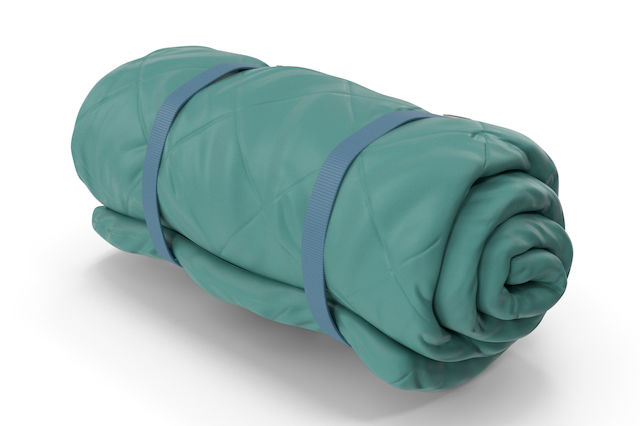
The best camping mats for every use
Car roof box: The ultimate buying and installation guide
Buying Guide for Camping Showers: Bathe in Nature Like at Home!
Be the first to leave a comment!