The graphene thermal pads of the Thermal Grizzly KryoSheet series are an excellent alternative to high-performance thermal pastes. They feature a flexible surface with very high thermal conductivity,...
The graphene thermal pads of the Thermal Grizzly KryoSheet series are an excellent alternative to high-performance thermal pastes. They feature a flexible surface with very high thermal conductivity, which, compared to Carbonaut pads, offers even greater performance.
They do not contain liquid components, making them resistant to normal aging. It is...
No problem, as long as it's within 14 days. We'll come pick it up or you can choose the Skroutz Point that suits you, completely free for up to 2 times per year, and we'll refund your money. Get Skroutz Plus to enjoy unlimited free returns.
The graphene thermal pads of the Thermal Grizzly KryoSheet series are an excellent alternative to high-performance thermal pastes. They feature a flexible surface with very high thermal conductivity, which, compared to Carbonaut pads, offers even greater performance.
They do not contain liquid components, making them resistant to normal aging. It is important to note that these pads also have electrical conductivity, so they must be used according to instructions.
Excellent thermal conductivity
Easy application
Consistent high performance
Exceptional durability
The molecular structure of the KryoSheet is aligned in the Z direction, thus offering excellent and consistent thermal conductivity. The product is available in various standard sizes for CPU/GPU.
Specifications are collected from official manufacturer websites. Please verify the specifications before proceeding with your final purchase. If you notice any problem you can report it here.
I was quite skeptical and my immediate alternative was the RTM7950.
I ordered the 25x25 sheet for an Asus 4070Ti which was easily pushing out the paste within 6 months with heavy gaming, resulting in raising not only the temperature but also the hotspot to around 100 degrees.
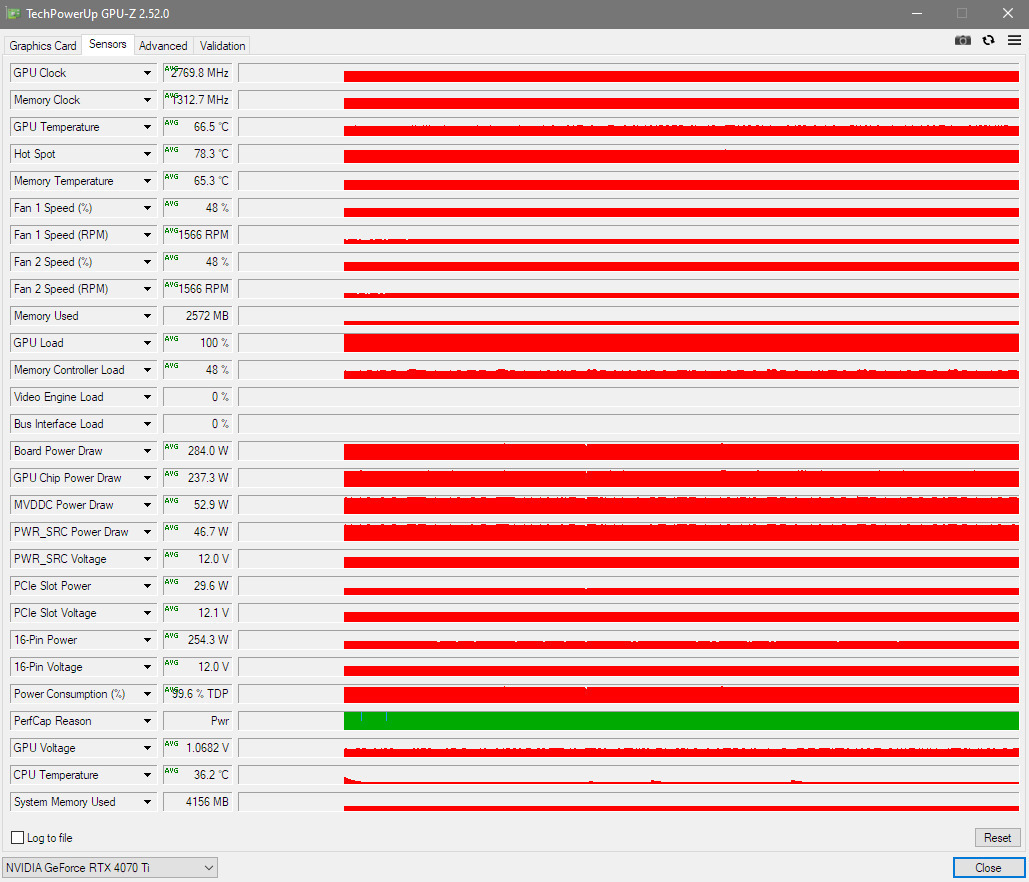
I am attaching a screenshot from GPU-Z, about half an hour with the stats. This sheet theoretically says it has no performance drop and is "Lifetime". Its performance is slightly worse if not the same, compared to a top-tier thermal paste. I cannot confirm this with certainty, however, longevity is the primary requirement for someone resorting to such a solution.
66 degrees with 78 hotspot at 284 watts and fans at 1600 rpm, practically the card is almost silent! In a gaming scenario, the hotspot delta is about 9 to 11 degrees. Such numbers lasted with thermal paste, at most 2 weeks.
If it lasts a long time without any change, then I can simply relax!
It requires careful cutting, not with scissors, but "pressure" with the blade of a cutter on a hard surface, to avoid fraying.
IMPORTANT: It is electrically conductive, so it requires proper masking with electrical insulating tape! (Kapton tape).
Ημουν αρκετα δυσπιστος και η αμεσως επομενη εναλλακτικη μου ηταν το ΡΤΜ7950.
Παρηγγειλα το φυλλο των 25x25 για μια Asus 4070Ti η οποια εδιωχνε για πλακα την παστα εντος 6μηνου με βαρυ gaming, με αποτελεσμα να ανεβαζει περα απο θερμοκρασια, αρκετα το ιδιο το hot-spot στους 100 περιπου βαθμους.
Παραθετω απο GPU-Z ενα screenshot, περιπου μισης ωρας με τα stats. Το φυλλο αυτο θεωρητικα λενε, δεν εχει πτωση αποδοσης και ειναι "Lifetime". Η αποδοση του ειναι ελαφρως χειροτερη αν οχι η ιδια, σε συγκριση με μια top tier θερμοαγωγιμη παστα. Δεν μπορω να το επιβεβαιωσω με σιγουρια ωστοσο η διαρκεια ζωης ειναι το 1ο ζητουμενο για καποιον που καταφευγει σε τετοια λυση.
66 βαθμοι με 78 hot spot στα 284watt και ανεμιστηρες στις 1600rpm, πρακτικα η καρτα ειναι σχεδον αθορυβη! Σε σεναριο gaming το hotspot delta ειναι περιπου 9 με 11 βαθμους. Τετοια νουμερα διαρκουσαν με θερμοαγωγιμη παστα, το πολυ 2 εβδομαδες.
Αν κρατησει χρονο χωρις καμια αλλαγη τοτε πολυ απλα ξεγνοιασα!
Θελει προσεκτικο κοψιμο, οχι με ψαλιδι, αλλα "πιεση" με την λεπιδα ενος χαρτοκοπτη σε σκληρη επιφανεια, για να μην ξεφτισει.
I was quite skeptical and my immediate alternative was the RTM7950.
I ordered the 25x25 sheet for an Asus 4070Ti which was easily pushing out the paste within 6 months with heavy gaming, resulting in raising not only the temperature but also the hotspot to around 100 degrees.
I am attaching a screenshot from GPU-Z, about half an hour with the stats. This sheet theoretically says it has no performance drop and is "Lifetime". Its performance is slightly worse if not the same, compared to a top-tier thermal paste. I cannot confirm this with certainty, however, longevity is the primary requirement for someone resorting to such a solution.
66 degrees with 78 hotspot at 284 watts and fans at 1600 rpm, practically the card is almost silent! In a gaming scenario, the hotspot delta is about 9 to 11 degrees. Such numbers lasted with thermal paste, at most 2 weeks.
If it lasts a long time without any change, then I can simply relax!
It requires careful cutting, not with scissors, but "pressure" with the blade of a cutter on a hard surface, to avoid fraying.
IMPORTANT: It is electrically conductive, so it requires proper masking with electrical insulating tape! (Kapton tape).
Ημουν αρκετα δυσπιστος και η αμεσως επομενη εναλλακτικη μου ηταν το ΡΤΜ7950.
Παρηγγειλα το φυλλο των 25x25 για μια Asus 4070Ti η οποια εδιωχνε για πλακα την παστα εντος 6μηνου με βαρυ gaming, με αποτελεσμα να ανεβαζει περα απο θερμοκρασια, αρκετα το ιδιο το hot-spot στους 100 περιπου βαθμους.
Παραθετω απο GPU-Z ενα screenshot, περιπου μισης ωρας με τα stats. Το φυλλο αυτο θεωρητικα λενε, δεν εχει πτωση αποδοσης και ειναι "Lifetime". Η αποδοση του ειναι ελαφρως χειροτερη αν οχι η ιδια, σε συγκριση με μια top tier θερμοαγωγιμη παστα. Δεν μπορω να το επιβεβαιωσω με σιγουρια ωστοσο η διαρκεια ζωης ειναι το 1ο ζητουμενο για καποιον που καταφευγει σε τετοια λυση.
66 βαθμοι με 78 hot spot στα 284watt και ανεμιστηρες στις 1600rpm, πρακτικα η καρτα ειναι σχεδον αθορυβη! Σε σεναριο gaming το hotspot delta ειναι περιπου 9 με 11 βαθμους. Τετοια νουμερα διαρκουσαν με θερμοαγωγιμη παστα, το πολυ 2 εβδομαδες.
Αν κρατησει χρονο χωρις καμια αλλαγη τοτε πολυ απλα ξεγνοιασα!
Θελει προσεκτικο κοψιμο, οχι με ψαλιδι, αλλα "πιεση" με την λεπιδα ενος χαρτοκοπτη σε σκληρη επιφανεια, για να μην ξεφτισει.
The graphene thermal pads of the Thermal Grizzly KryoSheet series are an excellent alternative to high-performance thermal pastes. They feature a flexible surface with very high thermal conductivity, which, compared to Carbonaut pads, offers even greater performance.
They do not contain liquid components, making them resistant to normal aging. It is important to note that these pads also have electrical conductivity, so they must be used according to instructions.
Excellent thermal conductivity
Easy application
Consistent high performance
Exceptional durability
The molecular structure of the KryoSheet is aligned in the Z direction, thus offering excellent and consistent thermal conductivity. The product is available in various standard sizes for CPU/GPU.
Specifications are collected from official manufacturer websites. Please verify the specifications before proceeding with your final purchase. If you notice any problem you can report it here.
I was quite skeptical and my immediate alternative was the RTM7950.
I ordered the 25x25 sheet for an Asus 4070Ti which was easily pushing out the paste within 6 months with heavy gaming, resulting in raising not only the temperature but also the hotspot to around 100 degrees.
I am attaching a screenshot from GPU-Z, about half an hour with the stats. This sheet theoretically says it has no performance drop and is "Lifetime". Its performance is slightly worse if not the same, compared to a top-tier thermal paste. I cannot confirm this with certainty, however, longevity is the primary requirement for someone resorting to such a solution.
66 degrees with 78 hotspot at 284 watts and fans at 1600 rpm, practically the card is almost silent! In a gaming scenario, the hotspot delta is about 9 to 11 degrees. Such numbers lasted with thermal paste, at most 2 weeks.
If it lasts a long time without any change, then I can simply relax!
It requires careful cutting, not with scissors, but "pressure" with the blade of a cutter on a hard surface, to avoid fraying.
IMPORTANT: It is electrically conductive, so it requires proper masking with electrical insulating tape! (Kapton tape).
Ημουν αρκετα δυσπιστος και η αμεσως επομενη εναλλακτικη μου ηταν το ΡΤΜ7950.
Παρηγγειλα το φυλλο των 25x25 για μια Asus 4070Ti η οποια εδιωχνε για πλακα την παστα εντος 6μηνου με βαρυ gaming, με αποτελεσμα να ανεβαζει περα απο θερμοκρασια, αρκετα το ιδιο το hot-spot στους 100 περιπου βαθμους.
Παραθετω απο GPU-Z ενα screenshot, περιπου μισης ωρας με τα stats. Το φυλλο αυτο θεωρητικα λενε, δεν εχει πτωση αποδοσης και ειναι "Lifetime". Η αποδοση του ειναι ελαφρως χειροτερη αν οχι η ιδια, σε συγκριση με μια top tier θερμοαγωγιμη παστα. Δεν μπορω να το επιβεβαιωσω με σιγουρια ωστοσο η διαρκεια ζωης ειναι το 1ο ζητουμενο για καποιον που καταφευγει σε τετοια λυση.
66 βαθμοι με 78 hot spot στα 284watt και ανεμιστηρες στις 1600rpm, πρακτικα η καρτα ειναι σχεδον αθορυβη! Σε σεναριο gaming το hotspot delta ειναι περιπου 9 με 11 βαθμους. Τετοια νουμερα διαρκουσαν με θερμοαγωγιμη παστα, το πολυ 2 εβδομαδες.
Αν κρατησει χρονο χωρις καμια αλλαγη τοτε πολυ απλα ξεγνοιασα!
Θελει προσεκτικο κοψιμο, οχι με ψαλιδι, αλλα "πιεση" με την λεπιδα ενος χαρτοκοπτη σε σκληρη επιφανεια, για να μην ξεφτισει.
I was quite skeptical and my immediate alternative was the RTM7950.
I ordered the 25x25 sheet for an Asus 4070Ti which was easily pushing out the paste within 6 months with heavy gaming, resulting in raising not only the temperature but also the hotspot to around 100 degrees.
I am attaching a screenshot from GPU-Z, about half an hour with the stats. This sheet theoretically says it has no performance drop and is "Lifetime". Its performance is slightly worse if not the same, compared to a top-tier thermal paste. I cannot confirm this with certainty, however, longevity is the primary requirement for someone resorting to such a solution.
66 degrees with 78 hotspot at 284 watts and fans at 1600 rpm, practically the card is almost silent! In a gaming scenario, the hotspot delta is about 9 to 11 degrees. Such numbers lasted with thermal paste, at most 2 weeks.
If it lasts a long time without any change, then I can simply relax!
It requires careful cutting, not with scissors, but "pressure" with the blade of a cutter on a hard surface, to avoid fraying.
IMPORTANT: It is electrically conductive, so it requires proper masking with electrical insulating tape! (Kapton tape).
Ημουν αρκετα δυσπιστος και η αμεσως επομενη εναλλακτικη μου ηταν το ΡΤΜ7950.
Παρηγγειλα το φυλλο των 25x25 για μια Asus 4070Ti η οποια εδιωχνε για πλακα την παστα εντος 6μηνου με βαρυ gaming, με αποτελεσμα να ανεβαζει περα απο θερμοκρασια, αρκετα το ιδιο το hot-spot στους 100 περιπου βαθμους.
Παραθετω απο GPU-Z ενα screenshot, περιπου μισης ωρας με τα stats. Το φυλλο αυτο θεωρητικα λενε, δεν εχει πτωση αποδοσης και ειναι "Lifetime". Η αποδοση του ειναι ελαφρως χειροτερη αν οχι η ιδια, σε συγκριση με μια top tier θερμοαγωγιμη παστα. Δεν μπορω να το επιβεβαιωσω με σιγουρια ωστοσο η διαρκεια ζωης ειναι το 1ο ζητουμενο για καποιον που καταφευγει σε τετοια λυση.
66 βαθμοι με 78 hot spot στα 284watt και ανεμιστηρες στις 1600rpm, πρακτικα η καρτα ειναι σχεδον αθορυβη! Σε σεναριο gaming το hotspot delta ειναι περιπου 9 με 11 βαθμους. Τετοια νουμερα διαρκουσαν με θερμοαγωγιμη παστα, το πολυ 2 εβδομαδες.
Αν κρατησει χρονο χωρις καμια αλλαγη τοτε πολυ απλα ξεγνοιασα!
Θελει προσεκτικο κοψιμο, οχι με ψαλιδι, αλλα "πιεση" με την λεπιδα ενος χαρτοκοπτη σε σκληρη επιφανεια, για να μην ξεφτισει.