I’ve tried cables that said “8K” on the packaging and in practice couldn’t even deliver a proper 4K signal. With this one, there’s no such issue. And that, to me, says more than any 8K sticker on the box.
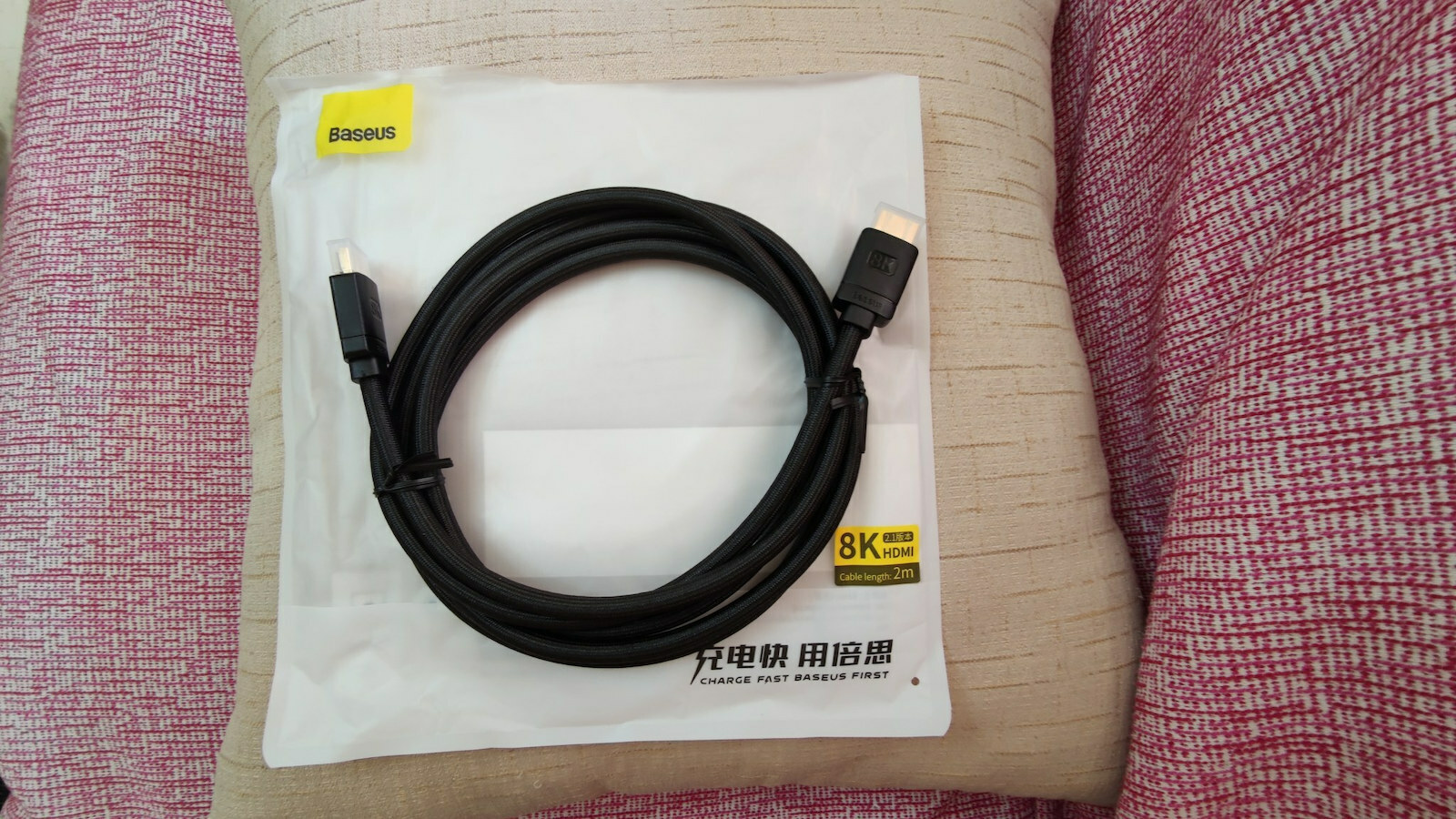
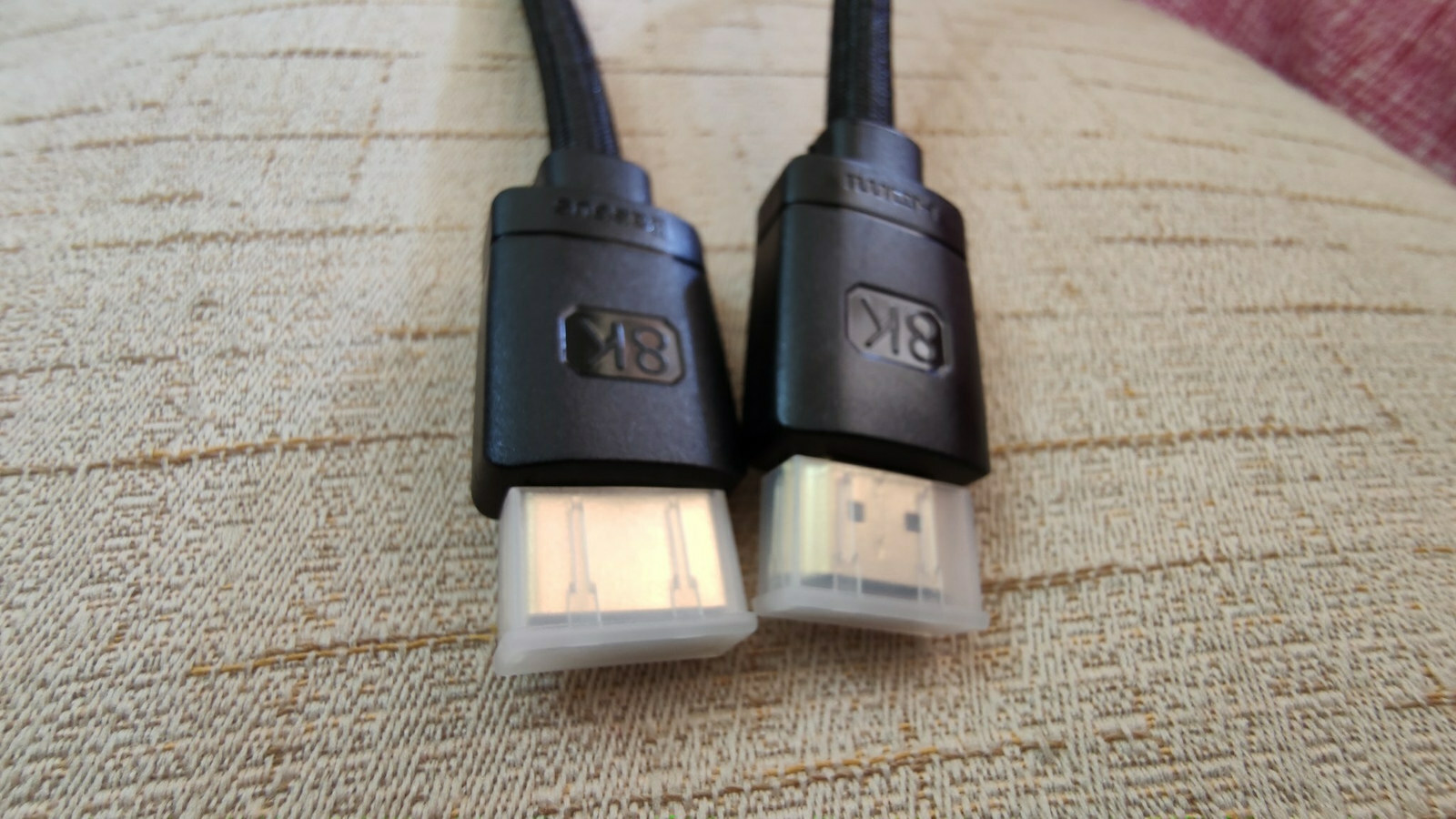
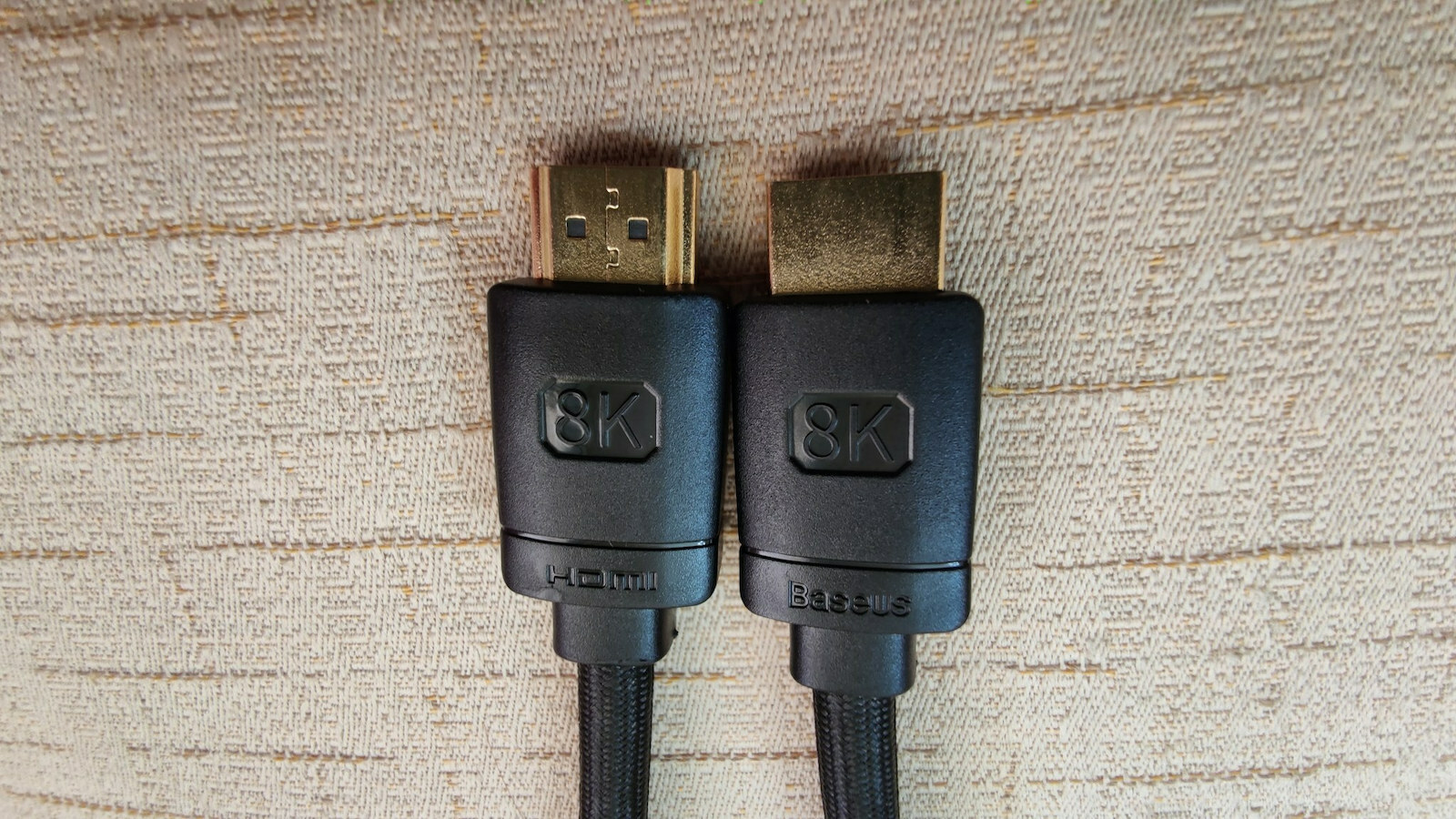
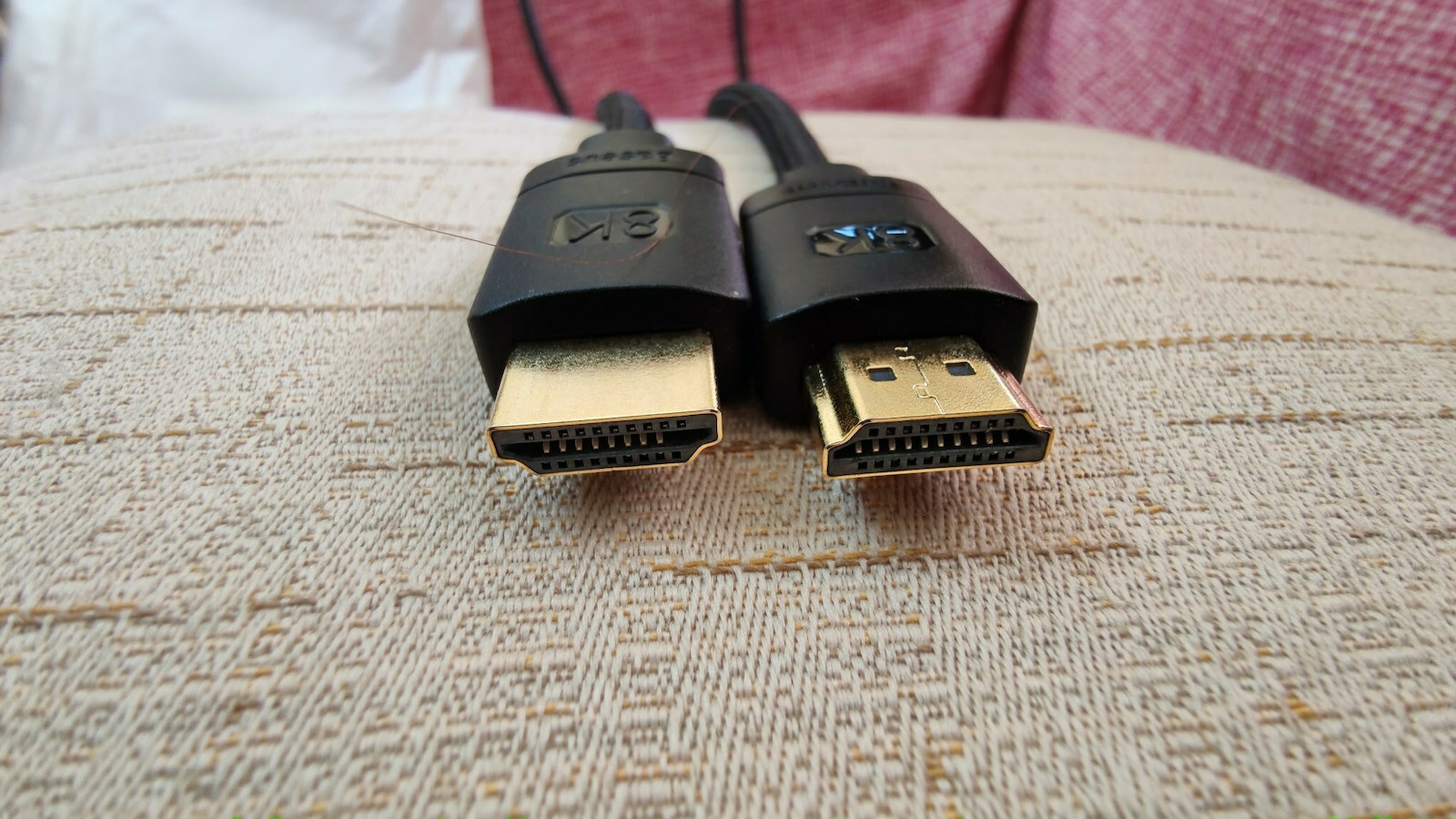
Very good build quality, braided jacket, sturdy connectors, and overall a cable that looks like it can handle everyday use without you worrying about every tug.
According to the manufacturer’s specs, it supports HDMI 2.1, bandwidth up to 48Gbps, 4K at 120Hz, 8K at 60Hz, HDR, VRR, Dolby Vision, and HDR10+.
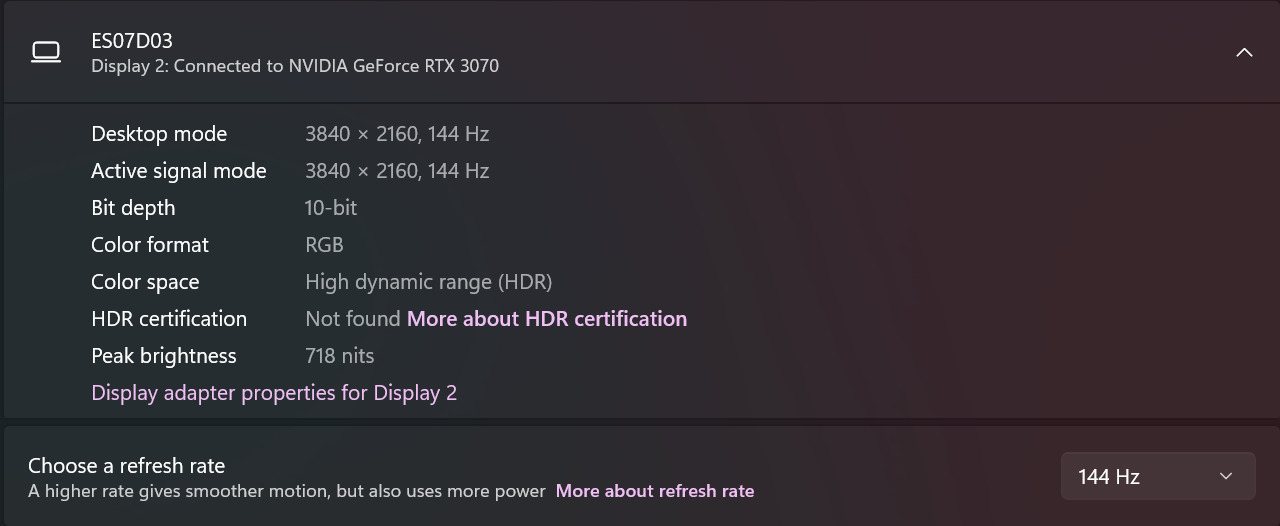
And we’re not stopping at the specs. User reviews include quite specific examples: 4K/120Hz with HDR and VRR, as well as 4K/144Hz with 10-bit, G-SYNC, ALLM, and HDR10. There are even cases where users replaced other cables that were causing glitches and disconnections, and with this one the problems stopped.
The important thing about a good HDMI 2.1 cable is not that it “improves” the picture. It can’t do any such magic. Its job is to carry a large amount of data correctly and without interruptions, especially when you combine high resolution, high refresh rate, HDR, and VRR. That’s where you can tell whether a cable is truly good.
With around 300 reviews and a 4.9/5 rating, the feedback from users is excellent. And the best part is that the positive comments aren’t limited to “good cable.” There are specific mentions of PS5, PC, 4K/120Hz, 4K/144Hz, HDR, VRR, and Dolby Vision.
A small but important clarification: the 48Gbps and 4K/120Hz are the cable’s capabilities. To actually take advantage of them, your devices must of course support them too.
For PS5, Xbox, a gaming PC, a modern TV, or a high-refresh-rate monitor, this is exactly the kind of HDMI cable you want. You plug it in and let the devices do their job.
In short: it doesn’t impress because it says 8K. It impresses because, when you ask it to handle 4K/120Hz, HDR, and VRR all at once, people report that it simply… does it.
Έχω δοκιμάσει καλώδια που έγραφαν «8K» στη συσκευασία και στην πράξη δεν μπορούσαν να βγάλουν ούτε σωστό 4K σήμα. Με αυτό δεν υπάρχει τέτοιο θέμα. Και αυτό, για μένα, λέει περισσότερα από οποιοδήποτε αυτοκόλλητο 8K πάνω στο κουτί.
Πολύ καλή ποιότητα κατασκευής, πλεγμένο περίβλημα, στιβαρά βύσματα και γενικά ένα καλώδιο που δείχνει ότι μπορεί να αντέξει καθημερινή χρήση χωρίς να φοβάσαι κάθε τράβηγμα.
Σύμφωνα με τις προδιαγραφές του κατασκευαστή, υποστηρίζει HDMI 2.1, bandwidth έως 48Gbps, 4K στα 120Hz, 8K στα 60Hz, HDR, VRR, Dolby Vision και HDR10+.
Και δεν μένουμε μόνο στα specs. Οι αξιολογήσεις χρηστών έχουν αρκετά συγκεκριμένα παραδείγματα: 4K/120Hz με HDR και VRR, αλλά και 4K/144Hz με 10-bit, G-SYNC, ALLM και HDR10. Υπάρχουν μάλιστα περιπτώσεις όπου χρήστες αντικατέστησαν άλλα καλώδια που δημιουργούσαν glitches και αποσυνδέσεις και με αυτό τα προβλήματα σταμάτησαν.
Το σημαντικό με ένα καλό HDMI 2.1 δεν είναι να «βελτιώνει» την εικόνα. Δεν μπορεί να κάνει τέτοιο μαγικό. Η δουλειά του είναι να μεταφέρει σωστά μεγάλο όγκο δεδομένων χωρίς διακοπές, ειδικά όταν συνδυάζεις υψηλή ανάλυση, υψηλό refresh rate, HDR και VRR. Εκεί φαίνεται αν ένα καλώδιο είναι πραγματικά καλό.
Με περίπου 300 αξιολογήσεις και 4,9/5, η εικόνα από τους χρήστες είναι εξαιρετική. Και το καλύτερο είναι ότι τα θετικά σχόλια δεν περιορίζονται στο «καλό καλώδιο». Υπάρχουν συγκεκριμένες αναφορές για PS5, PC, 4K/120Hz, 4K/144Hz, HDR, VRR και Dolby Vision.
Μικρή αλλά σημαντική διευκρίνιση: τα 48Gbps και τα 4K/120Hz είναι οι δυνατότητες του καλωδίου. Για να τα αξιοποιήσεις πραγματικά, πρέπει φυσικά να τα υποστηρίζουν και οι συσκευές σου.
Για PS5, Xbox, gaming PC, σύγχρονη TV ή monitor υψηλού refresh rate, είναι ακριβώς το είδος HDMI που θέλεις. Το βάζεις και αφήνεις τις συσκευές να κάνουν τη δουλειά τους.
Με λίγα λόγια: δεν εντυπωσιάζει επειδή γράφει 8K. Εντυπωσιάζει επειδή, όταν του ζητήσεις 4K/120Hz, HDR και VRR μαζί, υπάρχουν άνθρωποι που αναφέρουν ότι απλώς… τα κάνει.


 9 Coins
To earn Skroutz Coins, join Skroutz Plus and accept the terms of the reward program.
9 Coins
To earn Skroutz Coins, join Skroutz Plus and accept the terms of the reward program.


Be the first to leave a comment!