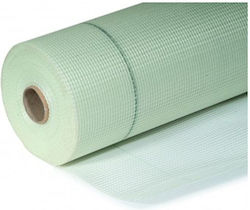
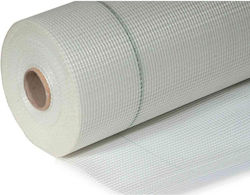
Fiberglass mesh: Fiberglass mesh embedded in mortars and thermal insulation renders. It protects exterior surfaces from cracking and provides mechanical strength.
Polyester Fabric: Synthetic reinforcing fabrics used in waterproofing systems (such as applied waterproof coatings) to prevent cracking and increase the insulation’s strength and flexibility.
Indicates the mesh’s density and strength per square metre. A higher weight usually means greater mechanical resistance to the stresses of plaster or insulation.
Lightweight (30–90 g/m²): Lightweight mesh suitable for minor repairs, thin plastering, or interior surfaces. It offers flexibility and easy installation without adding extra load to the structure.
Medium (100–150 g/m²): General-purpose meshes offering a balance of strength and flexibility. Commonly used in base coats and interior masonry reinforcement to prevent cracking.
Heavy Duty (160+ g/m²): Reinforced meshes weighing 160 g/m² or more. They provide greater mechanical strength in external thermal insulation systems, protecting render coatings against cracking and impacts in high-stress areas.
Standard Roll (1 m): The standard roll width, commonly chosen for reinforcing renders in external thermal insulation systems, ensures easy and uniform coverage of large masonry surfaces.
Tapes & Special Widths (Up to 0.9 m): Narrow-width mesh (up to 0.9 m) or mesh tape. Used for localized reinforcement, joints, corners, and insulation repairs, covering areas that do not require a full-width roll.
Indicates the dimensions of the openings (holes) between the mesh fibers (e.g. 4 × 4 mm). Determines how easily mortar can penetrate and the surface strength, depending on the application.

 Top User Rated




Be the first to leave a comment!