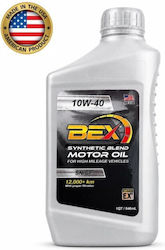
GF-6A: Εγκρίθηκε το 2020, προσφέροντας αυξημένη προστασία για κινητήρες βενζίνης, με έμφαση στην προστασία από τη φθορά και τις εναποθέσεις. Είναι κατάλληλη για κινητήρες που απαιτούν υψηλές επιδόσεις και μειωμένη κατανάλωση καυσίμου.
GF-4: Εγκρίθηκε το 2008, προσφέροντας σημαντικές βελτιώσεις στην προστασία των κινητήρων και στην καθαρότητα τους, ενώ περιλάμβανε νέα κριτήρια για την απόδοση καυσίμου και τη μείωση των εκπομπών, καλύπτοντας τις αυστηρότερες προδιαγραφές για τη ρύπανση.
GF-5: Εισήχθη το 2010 και αφορά λιπαντικά υψηλής απόδοσης για κινητήρες βενζίνης. Παρέχει βελτιωμένη προστασία από φθορά, ενώ συμβάλλει στη μείωση των εκπομπών και στη μεγαλύτερη διάρκεια ζωής του καταλύτη.
GF-3: Εγκρίθηκε το 2004 και εισήγαγε αυξημένες απαιτήσεις για προστασία από την οξείδωση και την εναπόθεση λαδιού, ενώ συνέβαλε στη βελτίωση της οικονομίας καυσίμου και την προστασία του καταλύτη.
GF-6B: Εγκρίθηκε το 2020, για κινητήρες με μεγαλύτερες απαιτήσεις σε καύσιμο και προστασία από τις εναποθέσεις, ενώ παράλληλα εξασφαλίζει μειωμένη κατανάλωση καυσίμου και συμβατότητα με τα πιο σύγχρονα συστήματα εκπομπών ρύπων.
Φανερώνει πόσο παχύρευστο είναι ένα λιπαντικό. Καθορίζεται απο 2 αριθμούς. Ο πρώτος με το γράμμα «W», (Winter), αφορά το πώς ρέει το λάδι όταν είναι κρύο. Ο δεύτερος αφορά το πώς ρέει το λάδι ζεστό σε συνθήκες λειτουργίας του κινητήρα.
Ημισυνθετικά: Συνδυασμός συνθετικών και ορυκτών λαδιών. Παρέχουν καλύτερη απόδοση από τα παραδοσιακά ορυκτά λάδια, ενώ είναι πιο οικονομικά από τα συνθετικά. Ιδανικά για οχήματα μεσαίας κατηγορίας.
Συνθετικά: Λάδια που δημιουργούνται από χημικές ενώσεις, με στόχο να παρέχουν υψηλή απόδοση και προστασία στον κινητήρα. Έχουν ομοιογενή σύσταση και μεγαλύτερη αντοχή στις ακραίες θερμοκρασίες. Ιδανικά για σύγχρονους κινητήρες υψηλής απόδοσης.