

Επιλέγοντας την κατάλληλη σανίδα snowboard για τις εξορμήσεις σου στο χιόνι
Πώς να διαλέξεις τη σωστή για σένα, με βάση τις ανάγκες σου!
Με επιρροές από το surfing, το skateboard και το ski, το snowboard είναι πλέον ένα από τα πιο δημοφιλή χειμερινά sports. Είτε ανήκεις στους επαγγελματίες του είδους, είτε ανακαλύπτεις τώρα τον μαγικό του κόσμο, αυτός ο οδηγός αγοράς θα σε βοηθήσει να επιλέξεις τη σανίδα snowboard που ταιριάζει στις δικές σου ανάγκες.
Προτού ξεκινήσουμε, θα αναλύσουμε κάποιες ορολογίες που αναφέρονται στο προφίλ της σανίδας, ωστέ να σου είναι ξεκάθαρες, όταν αναφέρονται στον οδηγό.

Προφίλ σανίδας snowboard
Όταν μιλάμε για το προφίλ της σανίδας, ουσιαστικά αναφερόμαστε στο πως αυτή απλώνεται στο χιόνι, παρατηρώντας τη από το πλάι. Έτσι, έχουμε τους εξής τύπους προφίλ:
- Camber: Μια σανίδα έχει προφίλ camber, όταν η μύτη (nose) και η ουρά (tail) της είναι πιεσμένες προς τα κάτω, δίνοντας περισσότερη επαφή με το χιόνι και πολύ καλό κράτημα. Πρόκειται για το πιο κλασικό προφίλ snowboard.
- Rocker: Όταν το snowboard κάνει καμπύλη προς τα πάνω στη μπροστινή ή/και στην πίσω άκρη του, τότε λέμε ότι το προφίλ του είναι rocker. Αυτός ο τύπος ενδείκνυται για χρήση σε πούδρες, εύκολες σχετικά στροφές και πάρκα.
- Flat: Μπορεί να το συναντήσεις και ως Zero Camber. Σε αυτήν την περίπτωση η σανίδα έχει 100% επαφή με το χιόνι, με αποτέλεσμα να έχει μεγαλύτερη σταθερότητα από ένα κλασικό rocker. Συνήθως το προφίλ αυτό το συναντάς σε freestyle σανίδες.
- Hybrid Camber (Rocker/Camber/Rocker): Είναι η σανίδα που είναι κυρτή κάτω από το σώμα σου και τις δέστρες. Θεωρείται εξαιρετική για freestyle snowboarding.
- Hybrid Rocker (Rocker/Camber/Rocker/Camber/Rocker): Σε αυτή την περίπτωση η σανίδα είναι κυρτή προς την μύτη (nose) και προς την ουρά (tail). Το rocker επιτρέπει στο snowboard να περιστρέφεται εύκολα και να επιπλέει στο μαλακό χιόνι, ενώ το camber εγγυάται πρόσφυση. Το συγκεκριμένο προφίλ αποδίδει σε όλες τις συνθήκες και σε όλα τα terrain.

Αφού πλέον γνωρίζεις ό,τι έχει να κάνει με το προφίλ της σανίδας, ήρθε η ώρα να απαντήσεις στις παρακάτω ερωτήσεις, για να έρθεις ένα βήμα πιο κοντά στη σωστή για εσένα αγορά.
Πού θέλω να κάνω snowboard;
Το πρώτο ερώτημα αφορά το terrain που θες να κάνεις snowboard. Είναι για παράδειγμα σε πάρκο; Σε απάτητο χιόνι; Σε πίστα; Ή μήπως χρειάζεσαι ένα snowboard που να ταιριάζει παντού;
Με βάση τη χρήση τους, υπάρχουν πέντε πιο γνωστοί τύποι σανίδας: οι All Mountain, οι Freestyle, οι Freeride, οι Powder και οι Park.
All Mountain
Οι All-Mountain σανίδες snowboard αποτελούν ιδανική λύση για εσένα που θες να πηγαίνεις παντού με τη σανίδα σου, είτε σε πάρκο, είτε σε μέρος με απάτητο χιόνι. Συνήθως έχουν συμμετρικό σχήμα, ενώ η σκληρότητά τους μπορεί να ποικίλει, με ορισμένες να είναι πιο μαλακές για ευελιξία στην πούδρα και άλλες πιο σκληρές για καλύτερες επιδόσεις στην πίστα.
Κατά την αγορά all-mountain σανίδας, είναι σημαντικό να λάβεις υπόψη σου τις δεξιότητες και προτιμήσεις σου, καθώς και τον τύπο της χιονόστρωσης που θα συναντήσεις.
Θεωρείται κατάλληλη επιλογή για αρχάριους snowboarders.
Freestyle
Τα freestyle snowboards θεωρούνται μαλακά σε σκληρότητα. Έχουν συνήθως συμμετρικό σχήμα, πράγμα που σημαίνει ότι η μύτη (nose) και η ουρά (tail) είναι ίδια. Αυτό επιτρέπει στους snowboarders να κατευθύνονται με το αντίθετο πόδι εξίσου εύκολα όπως με το κανονικό τους πόδι. Τα freestyle snowboards είναι διαθέσιμα σε διάφορα μεγέθη, με την επιλογή να εξαρτάται από το ύψος, το βάρος και τις προτιμήσεις του αναβάτη. Γενικά, είναι περισσότερο ευκίνητα σε σχέση με άλλους τύπους σανίδας.
Είναι κατάλληλα για αρχάριους χρήστες, αφού βοηθούν στην εκτέλεση κόλπων σε πίστες και πάρκα.
Freeride
Οι freeride σανίδες snowboard είναι οι πιο μεγάλες σε ύψος, ενώ έχουν μια μέτρια έως σκληρή ελαστικότητα για να ανταποκρίνονται στις απαιτήσεις του χιονιού πέραν των πιστών. H θέση του αναβάτη εδώ βρίσκεται λίγο πιο πίσω από το κέντρο τους, έτσι ώστε να μην ʺβουλιάζειʺ το μπροστινό μέρος τους στο χιόνι.
Τα freeride snowboards δεν θεωρούνται κατάλληλα για αρχάριους, αφού είναι σχεδιασμένα για περιπετειώδεις αναβάτες, που περνούν τον περισσότερο χρόνο τους εκτός πίστας.
Powder
Οι powder σανίδες snowboard είναι κατασκευασμένες για να "επιπλέουν" εύκολα στο βαθύ χιόνι. Έχουν συνήθως κωνικό σχήμα με πιο φαρδιά μύτη (nose) και πιο στενή ουρά (tail), ενώ ο snowboarder στέκεται ελαφρώς πιο πίσω από το κέντρο τους. Έχουν μαλακή έως μέτρια ελαστικότητα, που τις βοηθά να εξισορροπούν την πίεση και να κινούνται ευκολότερα στο βαθύ χιόνι της πούδρας.
Οι powder σανίδες προσφέρουν μια επική εμπειρία στο snowboarder, επιτρέποντάς του να απολαμβάνει τη μαγεία του χιονιού και την εξερεύνηση εκτός πίστας. Συνεπώς, δεν είναι κατάλληλες για αρχάριους χρήστες, αλλά για επαγγελματίες του είδους.
Park
Οι σανίδες snowboard τύπου park είναι σχεδιασμένες για χρήση σε πάρκα και halfpipes. Τα halfpipes είναι εγκαταστάσεις στον κόσμο του χιονοδρομικού σκι, όπου οι αναβάτες εκτελούν κόλπα και άλματα. Συνήθως έχουν ένα twin-tip σχήμα, που σημαίνει ότι η μύτη (nose) και η ουρά (tail) είναι συμμετρικές. Αυτό επιτρέπει στους snowboarders να κάνουν κόλπα και άλματα εξίσου εύκολα με τον αντίθετο πόδι μπροστά (switch), όπως και με τον κανονικό τους πόδι. Έχουν μαλακή έως μέτρια ελαστικότητα, για πιο εύκολους ελιγμούς.
Είναι σημαντικό να έχεις κάποια εμπειρία πριν δοκιμάσεις αυτού του είδους τις σανίδες, καθώς τα κόλπα και τα άλματα απαιτούν τεχνική και επιδεξιότητα. Επομένως, αν κάνεις τώρα τα πρώτα σου βήματα στο snowboarding αυτός ο τύπος δεν ενδείκνυται για εσένα.

Ποιο είναι όμως το επίπεδό μου;
Η αντικειμενική επιλογή σανίδας σύμφωνα με το επίπεδό σου, θα κάνει την εκμάθηση σου αρκετά εύκολη. Το αν ανήκεις στους αρχάριους, στους μέσους, στους προχωρημένους ή στους expert του είδους, κρίνεται ανάλογα με το πόσο άνετα αισθάνεσαι πάνω στη σανίδα και πόσες ώρες έχεις εξασκηθεί στο χιόνι.
- Αρχάριος
Αν είσαι αρχάριος snowboarder πρέπει να χιονοδρομείς εντός πίστας με χαμηλή ταχύτητα σε διαδρομές που είναι χαρακτηρισμένες με πράσινο ή και μπλε βαθμό δυσκολίας. Έτσι, οι χαμηλές σε ύψος και λιγότερο σκληρές σανίδες είναι οι πιο κατάλληλες για εσένα. Επίλεξε ένα snowboard τύπου All-Mountain, που θα σε βοηθήσει στην εύκολη κατάβαση.
- Ενδιάμεσος
Αν ανήκεις στους ενδιάμεσους snowboarders και μπορείς να χιονοδρομείς άνετα σε διαδρομές που είναι χαρακτηρισμένες με μπλε ή και κόκκινο βαθμό δυσκολίας, όμως θέλεις να βελτιωθείς περισσότερο, μια σανίδα freestyle είναι η σωστή για σένα επιλογή. Με αυτόν το τύπο σανίδας θα καταφέρεις να εκτελέσεις και τα πρώτα σου κόλπα και μανούβρες στο χιόνι με επιτυχία.
Αν όμως δεν νιώθεις τόσο άνετος με αυτή, μπορείς φυσικά να επιλέξεις ένα All-Mountain snowboard.
- Προχωρημένος
Πλέον, μπορείς να πας σε όλο το βουνό άνετα και με στυλ. Αν είσαι πλέον στους προχωρημένους snowboarders δεν υπάρχει κάποιος γενικός κανόνας, μπορείς να διαλέξεις το snowboard που ταιριάζει περισσότερο στο riding style σου.
- Expert
Η διαφορά μεταξύ ενός προχωρημένου και ενός ειδικού (expert) snowboarder μπορεί να είναι σχετική και εξαρτάται από πολλούς παράγοντες.
Ένας expert snowboarder έχει συνήθως υψηλό επίπεδο τεχνικής ικανότητας. Αυτό σημαίνει ότι είναι άνετος σε διάφορες ταχύτητες και είδη χιονιού, όπως πούδρα, πάρκο, ή και off-piste περιβάλλον. Γνωρίζει πώς να αξιοποιήσει το τοπίο και πώς να εκμεταλλευτεί τις δυνατότητες του χιονοδρομικού κέντρου για να αναβαθμίσει τις ικανότητές του. Γενικά, η μετάβαση από το προχωρημένο στο expert επίπεδο απαιτεί εμπειρία, εξάσκηση και διαρκή ανάπτυξη των ικανοτήτων σου.
Σε αυτό το επίπεδο όπως και στο προχωρημένο μπορείς να επιλέξεις την πιο κοντινή στο riding style σου σανίδα snowboard.
Τι ύψος, σχήμα και φάρδος σανίδας μου ταιριάζει;
Tο σωστό ύψος, σχήμα και φάρδος snowboard χρειάζεται λίγη παραπάνω ανάλυση, καθώς κάθε ένα από αυτά μπορεί να σου προσφέρει και μια διαφορετική εμπειρία στο χιόνι.
Παλαιότερα ίσχυε ότι για να βρεις το ιδανικό ύψος σανίδας, έπρεπε απλά να συγκρίνεις το πάνω μέρος της με το πηγούνι σου. Αν το ύψος της ταυτιζόταν, τοτε αυτή ήταν η ιδανική για σένα. Σήμερα ωστόσο, τα πράγματα έχουν αλλάξει σε μεγάλο βαθμό.
Ενδεικτικά, στους παρακάτω πίνακες μπορείς να δεις το ύψος σανίδας που προτείνεται κατα γενικό κανόνα, ανάλογα με το ύψος και το βάρος σου.
Κατάλληλο ύψος σανίδας με βάση το ύψος του αναβάτη
Στο σημείο αυτό να αναφέρουμε πως σχετικά με το βάρος του αναβάτη, οι περισσότεροι κατασκευαστές δίνουν ένα εύρος κιλών για το οποίο κάθε σανίδα θεωρείται ιδανική. Γενικά, όμως ισχύουν τα εξής:
Κατάλληλο ύψος σανίδας με βάση τα κιλά του αναβάτη
Πριν καταλήξεις, να θυμάσαι ότι και άλλοι παράγοντες, όπως το επίπεδο ικανότητας, η κατασκευή της σανίδας και το riding style σου, συμβάλλουν εξίσου σημαντικά στον καθορισμό του κατάλληλου ύψους snowboard.
Έτσι για παράδειγμα, εάν αγαπάς το freeriding, μια μεγαλύτερη σανίδα για περισσότερη σταθερότητα και ταχύτητα, θα ήταν καλή επιλογή. Από την άλλη, αν ψάχνεις για ένα freestyle snowboard, διάλεξε ένα σε μικρότερο μέγεθος, έτσι ώστε να ελίσσεσαι πιο εύκολα στο πάρκο.
Σχήμα σανίδας
H απόδοσή σου εξαρτάται σημαντικά και από το σχήμα του σανιδιού. Ανάλογα με το style σου λοιπόν, υπάρχουν σανίδες που θεωρούνται πιο κατάλληλες σε σχέση με άλλες. Ας δούμε τα πιο γνωστά παρακάτω.
True twin
Το σχήμα της σανίδας όταν μιλάμε για true twin είναι εντελώς συμμετρικό, όπως φαίνεται και στην εικόνα που ακολουθεί. Αυτό σημαίνει ότι η μύτη (nose) και η ουρά (tail) έχουν το ίδιο σχήμα και μέγεθος, ενώ οι δέστρες τοποθετούνται στο κέντρο της σανίδας. Η ιδέα πίσω από τον σχεδιασμό true twin είναι να προσφέρει την ίδια εμπειρία κατά τη χρήση, είτε κατευθύνεσαι με τον σωστό πόδι μπροστά (regular) είτε με το ανάποδο (switch).
Γενικά, αυτές οι σανίδες προτιμώνται από τους αναβάτες freestyle, καθώς παρέχουν ευκολία κατά την οδήγηση με το ανάποδο πόδι μπροστά και βελτιώνουν την ευελιξία της σανίδας. Έτσι είναι ιδανικές για χρήση σε πάρκα και σε freestyle χιονοδρομία.

Directional
Σε αυτό το σχήμα σανίδας η θέση του αναβάτη είναι ελαφρώς πιο πίσω από το κέντρο της. Η μύτη (nose) είναι πιο μεγάλη σε μήκος, ενώ το μέσο είναι πιο μαλακό σε σχέση με την ουρά, (tail) για μεγαλύτερη σταθερότητα στις υψηλές ταχύτητες.
Οι αναβάτες που περνούν περισσότερο χρόνο στην πίστα και αναζητούν σταθερότητα και καλή απόδοση σε ταχύτητες θα επιλέξουν συχνά directional σανίδες. Γενικά, θεωρείται ιδανική για εσένα που προτιμάς το All-Mountain ή το Freeride snowboard.

Directional twin
Πρόκειται για έναν συνδυασμό χαρακτηριστικών του twin tip και του directional σανιδιού. Οι σανίδες τέτοιου τύπου είναι συμμετρικές, όχι όμως ως προς όλες τις πλευρές τους, ενώ η θέση του αναβάτη βρίσκεται λίγο πιο πίσω από το κέντρο τους.
Αυτό σημαίνει ότι μπορείς να τις χρησιμοποιήσεις με άνεση σε όλες τις κατευθύνσεις, διατηρώντας την ευελιξία για κόλπα και freestyle χρήση. Παράλληλα, όμως, παρέχουν κάποια από τα οφέλη της directional σχεδίασης, είναι δηλαδή κατάλληλες για καλή απόδοση σε ποικίλες συνθήκες και ειδικά σε χιόνι εκτός πίστας.
Θεωρούνται ιδανικές για εσένα που προτιμάς το All-Mountain riding style, όσο και για σένα που θες να κάνεις κόλπα στο χιόνι.

Φάρδος σανίδας
Το φάρδος της σανίδας είναι η απόσταση μεταξύ των πλαινών τμημάτων της στο σημείο της μέσης, ενώ επηρεάζει την απόδοση της σε διάφορες συνθήκες χιονοδρομίας και τον τρόπο που αντιδρά στις στροφές.
- Κανονική (Regular): Οι σανίδες με κανονικό φάρδος εξυπηρετούν μια ευρεία γκάμα αναβατών και συνθηκών. Μπορούν να παρέχουν καλή σταθερότητα και απόδοση σε διάφορα περιβάλλοντα χιονιού.
- Ευρεία (Wide): Οι ευρείες σανίδες είναι σχεδιασμένες για αναβάτες με νούμερο παπουτσιού από 44 και άνω, ελαχιστοποιώντας τον κίνδυνο του "toe drag", δηλαδή το μπροστινό μέρος (δάχτυλα) των παπουτσιών να ακουμπά στη σανίδα κατά τη διάρκεια των στροφών. Είναι σταθερές σε υψηλές ταχύτητες και σε ποικίλες συνθήκες.

Flex σανίδας
Last, but not least...To flex, το οποίο μετριέται αριθμητικά από το 1 έως το 10 και προσδιορίζει πόσο μαλακές ή σκληρές είναι οι σανίδες, π.χ αυτές που διαθέτουν ελαστικότητα από 1 έως και 4 flex είναι κατάλληλες για αρχάριους. Αντίθετα, σανίδες με flex από 5 έως 10 είναι σωστή επιλογή για προχωρημένους και έμπειρους snowboarders. Το flex oυσιαστικά αναφέρεται στην ικανότητα της σανίδας να λυγίζει και να στρίβει, όταν μετατοπίζεις το βάρος σου.
- Flex 1-4: Soft (Μαλακή)
Μια μαλακή σανίδα παρέχει περισσότερη ευελιξία, καθιστώντας την ιδανική για freestyle χρήση, περιστροφές και κόλπα στο χιόνι, καθώς ανταποκρίνεται καλύτερα στις κινήσεις του αναβάτη.
Θεωρείται κατάλληλη για αρχάριους και freestyle snowboarders.
- Flex 5-7: Medium (Μεσαία)
Οι περισσότεροι αναβάτες προτιμούν σανίδες με μεσαίο flex, καθώς είναι οι πιο ευέλικτες. Οι σανίδες με medium flex είναι συνήθως καλές για ευρύ φάσμα χρηστών, αφού προσφέρουν μια ισορροπία μεταξύ ελέγχου, σταθερότητας και δυνατότητας προσαρμογής σε διάφορες συνθήκες χιονιού και στυλ οδήγησης, ενώ είναι πιο "επιεικής" στις τυχόν πτώσεις.
Είναι ιδανικές για riding σε όλο το βουνό, ωστόσο θα εκτιμήσεις την πρόσθετη στήριξη που σου παρέχουν στο πάρκο.
- Flex 7-10: Stiff (Σκληρή)
Οι σκληρές σανίδες έχουν λιγότερη ευελιξία, προσφέρουν την υψηλότερη απόκριση και υποστήριξη και απευθύνονται σε προχωρημένους και expert αναβάτες, που προτιμούν υψηλές ταχύτητες και σταθερότητα. Αν έχεις τον απόλυτο έλεγχο, είναι εξαιρετικές για freeriding και γρήγορο riding σε πίστα.
Γυναικεία και παιδικά snowboards
Σήμερα, υπάρχει ένα πλήθος snowboards ειδικά σχεδιασμένων για γυναίκες, που διατίθενται σχεδόν από κάθε μεγάλο brand. Γενικά, αν και ισχύουν οι ίδιες οδηγίες για το μέγεθος της σανίδας, το γυναικείο snowboard είναι ελαφρώς διαφορετικό από αυτό των ανδρών. Πιο συγκεκριμένα, συνήθως έχει μια ευέλικτη κατασκευή (soft έως medium flex). Αυτό διευκολύνει τον έλεγχο, καθιστώντας το πιο φιλικό στη χρήση. Ακόμα, έχει πιο μικρό φάρδος, για να ταιριάζει καλύτερα σε μικρότερο μέγεθος ποδιού, ενώ διαθέτει θηλυκό και στιλάτο σχεδιασμό.
Σχετικά με τους μικρούς μας snowboarders, καθώς δεν μπορούν εύκολα να στρίψουν και να κάνουν ελιγμούς στο χιόνι πάνω σε σανίδες για ενήλικες, αφού είναι πιο σκληρές, υπάρχουν ειδικα σχεδιασμένα παιδικά snowboards με μικρότερο ύψος και φάρδος για να ταιριάζουν καλύτερα σε αυτά. Ακόμα, πολλά διαθέτουν ειδικά συστήματα στήριξης που βοηθούν τα παιδιά να μάθουν πιο εύκολα και να αναπτύξουν τις δεξιότητές τους στο χιόνι.

Συνοψίζοντας...
Στους παρακάτω πίνακες μπορείς να δεις συγκεντρωμένα τους προτεινόμενους τύπους, σχήματα, προφίλ και flex σανίδας με βάση το επίπεδό σου και το riding style σου. Φυσικά, η τελική σου επιλογή μπορεί να διαφοροποιηθεί, ανάλογα τις προτιμήσεις σου στο terrain, στο τι θέλεις να πετύχεις με τη σανίδα σου και γενικά μέχρι ποιο επίπεδο θέλεις να εξελίξεις αυτό το sport.
Προτεινόμενος τύπος και flex σανίδας με βάση το επίπεδό σου
Προτεινόμενο σχήμα και προφίλ σανίδας με βάση το riding style σου
Η επιλογή της σωστής σανίδας είναι καθοριστική για την εμπειρία σου στο χιόνι. Καθώς ξεκινάς το ταξίδι σου στον κόσμο του όμορφου αυτού sport, θυμήσου ότι η κάθε σανίδα είναι μοναδική, όπως και η κάθε χιονοδρομική σου εμπειρία.
Συνιστούμε να λάβεις υπόψη τις προσωπικές σου προτιμήσεις, το επίπεδο δεξιοτήτων και το riding style σου κατά την αγορά. Θα πρέπει να θυμάσαι πως η σωστή σανίδα δεν είναι μόνο ένα εργαλείο για την κατάβαση, αλλά ένας "σύντροφος", που θα σε συνοδεύει σε κάθε χιονοδρομική περιπέτεια.
Ανακαλύψε λοιπόν τη χαρά του snowboarding και αφέσου στη μαγεία του χιονισμένου τοπίου.
Συμβουλές για εξοπλισμό snowboard
Η επιλογή σωστού εξοπλισμού snowboard είναι ουσιώδης για την απόλαυση της εμπειρίας σου στο χιόνι. Είτε ανήκεις στους αρχάριους είτε στους έμπειρους χιονοδρόμους, ο σωστός συνδυασμός σανίδας, δεστρών, παπουτσιών και άλλων αξεσουάρ μπορεί να καθορίσει την άνεση, την ασφάλεια και την απόδοσή σου στο βουνό. Έτσι, παρακάτω σου προτείνουμε ορισμένα συμπληρωματικά είδη που έχουν φανεί χρήσιμα σε πολλούς snowboarders.
- Μπότες: Επιλέξε μπότες snowboard που είναι άνετες και σου προσφέρουν καλή στήριξη. Η σωστή εφαρμογή είναι καίρια για έλεγχο και άνεση.
- Δέστρες: Βεβαιώσου ότι οι δέστρες σου για το snowboard είναι συμβατές με τη σανίδα και τα παπούτσια σου.
- Γάντια και ρούχα: Επίλεξε αδιάβροχα γάντια και ρούχα που θα σε κρατούν ζεστό. Η ανθεκτικότητα σε νερό είναι εξίσου σημαντική.
- Προστατευτικός εξοπλισμός: Φόρεσε προστατευτικό κράνος και μάσκα. Η ασφάλεια σου πρέπει να είναι πάντα προτεραιότητα.
Απαραίτητος εξοπλισμός για snowboard
-
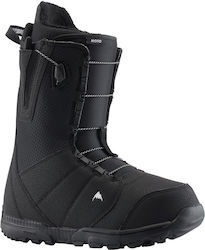 Μπότες Snowboard
-
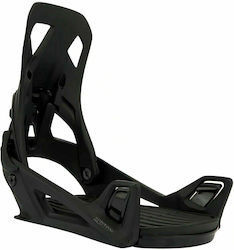 Δέστρες Snowboard
-
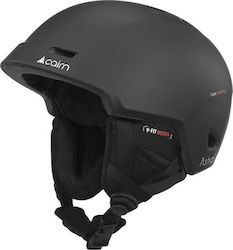 Κράνη Ski & Snowboard
-
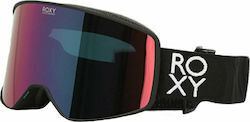 Μάσκες Ski & Snowboard
-
 Ρούχα Ski & Snowboard
-
 Θήκες Snowboard
-
 Διάφορα Αξεσουάρ Σκι & Snowboard
Σχετικά Άρθρα
Tι σανίδα SUP να πάρω; Όλα τα μυστικά για να διαλέξεις την καλύτερη!
Οδηγός Αγοράς για Action Cameras
Με ποιους τρόπους να φορέσεις το περιλαίμιο & Ποιος είναι ο ρόλος του
Άφησε πρώτος το σχόλιό σου!