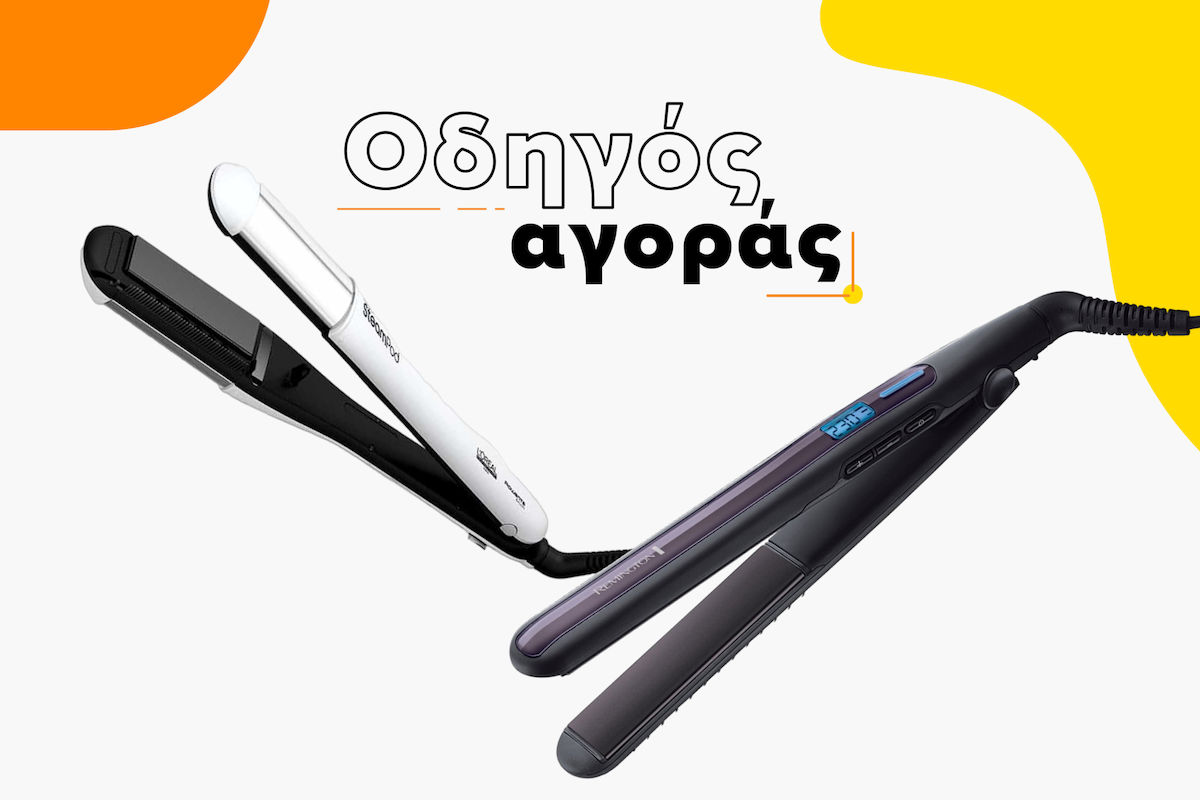

Choose the right hair straightener for you!
"What hair straightener should I get?" Complete guide!
Investing in a good hair straightener can provide you with salon-quality results, without the cost and hassle. Choosing the right one is difficult due to the multitude of manufacturers, different materials, technologies, and features you need to consider! By the end of this guide, you will be well-informed to choose the right straightener that will give you the hairstyle you dream of.
Decoding the Types of Hair Straighteners
When it comes to straighteners, the material of the heating plates and the technology they use play an important role in their performance. Different materials have unique properties that can affect how well they straighten your hair, the durability of the tool, and even the price.
- Ceramic plates: Ceramic plates distribute heat slowly and evenly, so if you have damaged or sensitive hair, they are a good choice. A ceramic straightener may not always be the fastest styling option, but it will be the safest for your hair.
- Titanium plates: Titanium is a popular choice for thick, coarse, and curly hair thanks to its excellent ability to distribute heat efficiently and evenly. Titanium plates heat up quickly, making them ideal for last-minute touch-ups in just a few seconds.
- Tourmaline plates: Plates coated with the mineral tourmaline glide more easily through the hair and leave it bright, soft, and silky.
- Steam: Steam hair straighteners are an evolution in straightening technology. As you straighten your hair, steam penetrates the hair shaft, providing hydration and reducing damage caused by heat. This results in shinier, softer, and healthier hair.
- Air: Air hair straighteners combine straightening with the ability to dry at the same time. They emit warm air, drying and straightening the hair simultaneously, saving time!

Heat Settings and Temperature Control
It is good to choose a hair straightener with adjustable heat, so you can adapt it to your hair type.
- For thin, fragile, or damaged hair, opt for lower temperatures. (120°C - 150°C)
- For thick, dense, or curly hair, higher temperatures are required. (180°C - 230°C)
Finding the right temperature for your hair type can be challenging, but it's worth it! When temperatures are too low, you may need to make multiple passes, which can lead to damage to the hair. Temperatures that are too high also strain the hair. The right temperature will be high enough to style with one pass and low enough to minimize damage.
In any case, our experts emphasize the importance of using some form of heat protection before using any styling tool on the hair.
Hair thermal protection!


Size and Shape
The size and shape of the plates play a decisive role in versatility for different styling techniques.
- Wider plates are very useful for those with longer and thicker hair. Essentially, they can gather more hair and heat it with fewer passes.
- If you have short, overly processed, or fine hair, you will want narrower plates that apply less heat.
- Flat plates have a smooth surface that allows the iron to glide easily along your hair, straightening it effectively.
- Rounded plates are versatile and suitable for both straightening and creating curls or waves. Their curved edges allow you to wrap your hair around them to achieve different looks.
- Extra Tip! Also pay attention to the handle of the straightener, especially if you plan to use it for styles that require a lot of rotation such as curls. In that case, take a look at its weight as you will need to make sure you feel comfortable holding it for a long period of time.

Safety Features
When it comes to using thermal styling tools, such as hair straighteners, safety is of utmost importance. Modern hair straightening devices are equipped with a range of features designed to protect your hair and ensure a safe styling experience.
- Temperature Control: Hair straighteners with adjustable heat settings allow you to customize the temperature to your specific hair type and styling needs. This not only prevents excessive heat exposure but also minimizes the risk of overheating, which can lead to damage to the hair. Some models also include a temperature lock feature to avoid accidental temperature adjustments during styling.
- Automatic Shut-Off: If you accidentally leave the device on for a set period of time (usually around 30 minutes), it will automatically turn off. This feature helps with energy savings and prevents potential safety hazards.
- Locking Mechanism: Keeps the plates together when the device is not in use. This prevents accidents, such as accidentally touching the hot plates when they are open.
- Swivel Cord: The swivel cord rotates 360 degrees at the base. This prevents tangling and allows for more comfortable and secure movements during styling.
- Heat-Resistant Case: Many hair straighteners come with heat-resistant cases, making it safer to store them after use.
Maintenance and Care
To keep your device in optimal condition, proper maintenance and care are essential. Neglecting the maintenance of your styling tool can lead to performance issues and potential safety hazards.
- Regular Cleaning:
- Unplug the device from the socket.
- Use a soft, damp cloth to gently wipe the plates.
- Don't forget to clean the exterior of the hair straightener.
2. Storage:
- Always allow your hair straightener to cool completely before storing it.
- Avoid wrapping the cord tightly around the device, as this can damage the cord over time. Many hair straightening devices come with a cord wrapping or rotating feature for easy and safe storage.
3. Plate Protection:
- Some hair straightening devices come with a protective plate. If you don't have one, consider investing in one to protect the plates during storage.
- Be careful when handling your device, especially with the hot plates. Dropping it can cause damage.
- Avoid scratching the plates with sharp objects. Only use soft cloths for cleaning.

Frequently Asked Questions
Let's answer some of the most frequently asked questions about hair straighteners...
- What is the ideal temperature for straightening hair?
The ideal temperature for straightening hair varies depending on your hair type:
- Fine or damaged hair: 120-150°C
- Normal or wavy hair: 150-180°C
- Thick or coarse hair: 180-200°C
2. How often can I use a hair straightener?
The frequency of use depends on the condition of your hair. If your hair is healthy, you can use it a few times a week. For damaged or fragile hair, limit use to once a week or less.
3. Can I straighten damp or wet hair?
No, it is not safe to straighten damp or wet hair with a traditional hair iron. Wet hair can cause steam, which may lead to burns or damage. Always ensure your hair is completely dry before using the straightener.
3. Can I use a hair straightener on extensions or wigs?
Yes, you can! Use a lower temperature setting and handle them carefully to avoid damage.
4. How can I prevent heat damage while using a hair straightener?
- Use a heat protection spray before styling.
- Limit the use of high temperatures according to your hair type.
- Invest in a quality hair straightener with even heat distribution.
- Avoid excessive passes over the same sections of hair.
5. Can I use a hair straightener on colored or chemically treated hair?
Yes, you can! However, be cautious with the temperature settings and ensure your hair is in good condition to avoid additional damage.
6. How long does it take to straighten my hair?
The time it takes to straighten your hair depends on its length and thickness, the temperature setting, and your experience. On average, it takes about 15-30 minutes to straighten medium-length hair.
Relevant Articles

The best hair straighteners on the market
The Best Electric Hair Brushes for Every Need

Buying Guide for Electric Hair Brushes
Be the first to leave a comment!