

Οδηγός αγοράς Ταινιών LED
Φώτισε & αναβάθμισε αισθητικά το χώρο σου με μια ταινία LED
Όλο και πιο δημοφιλής λύση φωτισμού τα τελευταία χρόνια έχουν γίνει οι ταινίες LED, καθώς εκτός από το ότι μας βοηθούν να αναβαθμίσουμε αισθητικά το χώρο μας και να αναδείξουμε αρχιτεκτονικά στοιχεία και αντικείμενα στο σπίτι μας, ταυτόχρονα καταναλώνουν λιγότερο ρεύμα, διαθέτουν ποικιλία χρωμάτων και μπορούν να προσαρμοστούν σε ό,τι διαστάσεις επιθυμούμε.
Σε αυτό τον οδηγό θα απαντήσουμε αναλυτικά στα παραπάνω ερωτήματα και θα σου παρουσιάσουμε τα πρόσθετα εξαρτήματα που πιθανόν θα χρειαστείς. Επιπλέον, θα προχωρήσουμε σε μια επεξήγηση των σημαντικότερων τεχνικών χαρακτηριστικών μια ταινίας LED, για να μπορείς να επιλέξεις, χωρίς πρόβλημα, αυτή που εξυπηρετεί τις ανάγκες διακόσμησης και φωτισμού του χώρου σου. Ας ξεκινήσουμε!
1. Σημείο τοποθέτησης
Προφανώς, το πρώτο πράγμα που πρέπει να γνωρίζεις είναι ο χώρος που θα γίνει η εγκατάσταση, ώστε να μετρήσεις το συνολικό μήκος του σημείου και φυσικά το συνολικό μήκος της ταινίας που θα χρειαστείς. Στην αγορά μπορείς να βρεις ταινίες που διατίθενται με το μέτρο ή ακόμα και επιλογές σε συσκευασία των 2, 3, 5 και 10 μέτρων. Μην σε ανησυχεί αν το μήκος του χώρου που θα μετρήσεις δεν είναι ακριβώς το ίδιο με το μήκος της ταινίας που θα επιλέξεις, καθώς στις περισσότερες περιπτώσεις, μπορείς να την κόψεις σε συγκεκριμένα σημεία και να την προσαρμόσεις, σύμφωνα με τις ανάγκες σου.

Εσωτερική ή Εξωτερική Εγκατάσταση;
Αν επιθυμείς να εγκαταστήσεις την ταινία σε εξωτερικό χώρο θα πρέπει πρώτα να βεβαιωθείς για το βαθμό αντοχής της απέναντι στις καιρικές συνθήκες. Η πιστοποίηση προστασίας, σύμφωνα με το πρωτόκολλο IPXX, αποτυπώνει αυτή την ανθεκτικότητα, με τον πρώτο αριθμό να δείχνει την αντοχή του προϊόντος στη σκόνη και το δεύτερο στην υγρασία. Στον πίνακα που ακολουθεί μπορείς βρεις τις πιο δημοφιλείς τιμές, μία σύντομη επεξήγηση τους, αλλά και την ενδεδειγμένη χρήση ανά περίπτωση.

2. Επιλογή ταινίας & χαρακτηριστικά
Όπως έχεις καταλάβει στην αγορά υπάρχουν πολλές επιλογές και η διαφορά μίας ταινίας με μία άλλη, κρίνεται στις τεχνικές λεπτομέρειες. Κάποια από τα σημαντικότερα χαρακτηριστικά που διαθέτουν αλλά και το πως αυτά επηρεάζουν το φωτισμό και τη λειτουργία τους, θα βρεις παρακάτω:
Lumens
Εκφράζουν τη φωτεινότητα της ταινίας και αυτό σημαίνει, πως όσο περισσότερα είναι τα lumen τόσο μεγαλύτερη θα είναι και η ένταση του φωτισμού στο χώρο τοποθέτησης. Ένα άμεσα συσχετιζόμενο χαρακτηριστικό με τα lumens και άρα και με τη φωτεινότητα μια ταινίας είναι και η ισχύς, η οποία εκφράζεται σε Watt. Η ισχύς μιας ταινίας συνήθως αναφέρεται ανά μέτρο και υποδηλώνει την ποσότητα ηλεκτρικής ενέργειας που καταναλώνεται. Επιπλέον, σου επιτρέπει κατά προσέγγιση να υπολογίσεις και τα lumen, αν αυτά δεν αναφέρονται, καθώς για κάθε ένα Watt μια LED ταινία αποδίδει φωτεινότητα 90 lumen περίπου.
Αποχρώσεις Λευκού Φωτισμού
Το χρώμα του φωτισμού μιας ταινίας, διακρίνεται σε διάφορα είδη, επιτρέποντας σου να επιλέξεις την επιθυμητή απόχρωση φωτισμού ανάλογα με τις ανάγκες και τις επιθυμίες σου. Έτσι, οι αποχρώσεις του λευκού φωτός, ξεκινούν από το θερμό και φτάνουν μέχρι το ψυχρό λευκό. Αυτό αποτυπώνεται σε βαθμούς Kelvin, όπως μπορείς να δεις και στην παρακάτω εικόνα. Το θερμό λευκό φως έχει τιμές κοντά ή λίγο λιγότερο από τα 3000K, το φυσικό λευκό πάνω από 3000K έως 5000Κ και στο ψυχρό λευκό οι τιμές είναι πάνω από 5000K και κοντά στα 6000K.
#Skroutz tip: Οι πιο θερμές αποχρώσεις φωτισμού θεωρούνται κατάλληλες για χώρους χαλάρωσης και προτιμούνται συνήθως σε χώρους άνετους, όπως το καθιστικό ή και η κρεβατοκάμαρα. Από την άλλη, οι ψυχροί τόνοι δίνουν μια πιο μοντέρνα αισθητική αλλά και έντονο καθαρό φωτισμό. Αυτό τις καθιστά κατάλληλες για τοποθέτηση σε χώρους όπως το μπάνιο, την κουζίνα αλλά και γενικότερα σε σημεία εργασίας με υψηλές απαιτήσεις φωτισμού.

Πολύχρωμος Φωτισμός & RGB
Επιπλέον, μπορείς να επιλέξεις ταινίες διαφόρων χρωμάτων πέραν των κλασικών λευκών αποχρώσεων, όπως κίτρινο, κόκκινο, μπλε, ροζ, μωβ αλλά και πράσινο, δίνοντας έναν πρωτότυπο και σύμφωνα με τα δικά σου γούστα, χαρακτήρα, στον φωτισμό του χώρου σου. Πέραν αυτών, μπορείς να επιλέξεις και τις δημοφιλείς RGB ή RGBW ταινίες, οι οποίες παρέχουν την ευελιξία, να μπορείς να προσαρμόζεις το χρώμα του φωτισμού όπως ακριβώς επιθυμείς.
Οι παραπάνω, σου δίνουν τη δυνατότητα, είτε μέσω ενός τηλεχειριστηρίου που περιλαμβάνει η συσκευασία τους, είτε μέσω μιας συμβατής εφαρμογής που θα καταβάσεις στο smartphone σου, να ρυθμίσεις τη χρωματική τους απόχρωση, επιλέγοντας μέσα από μία μεγάλη γκάμα διαθέσιμων επιλογών. Η διαφορά των δύο τύπων, είναι πως οι RGBW υποστηρίζουν και τις αποχρώσεις του λευκού φωτός πέραν των άλλων αποχρώσεων του κόκκινου, πράσινου και μπλε.

Η πυκνότητα των LED
Ένα ακόμα χαρακτηριστικό που επηρεάζει την ένταση του φωτισμού είναι και η πυκνότητα των LED, που ουσιαστικά υποδηλώνει πόσα ξεχωριστά στοιχεία LED είναι τοποθετημένα κατά μήκος μιας ταινίας. Σε επιλογές υψηλής πυκνότητας, όπως για παράδειγμα ταινίες με 60, 90 ή και 120 μεμονωμένα LED ανά μέτρο, η ένταση του φωτισμού είναι αρκετά έντονη, γεγονός που τις καθιστά κατάλληλες για εφαρμογές με υψηλές απαιτήσεις φωτισμού (π.χ. εγκατάσταση κάτω από τα ντουλάπια της κουζίνας ή και σε πάγκους εργασίας). Από την άλλη ταινίες χαμηλότερης πυκνότητας, όπως 30 LED ανά μέτρο, θα εξυπηρετήσουν άνετα τις ανάγκες σου για εφαρμογές κρυφού ή και διακοσμητικού φωτισμού.

Τύποι LED
O τύπος του LED που η κάθε ταινία ενσωματώνει αναφέρεται συνήθως με έναν τετραψήφιο κωδικό, που ουσιαστικά υποδηλώνει το μέγεθος τους σε χιλιοστά. Για παράδειγμα, μια ταινία με LED τύπου 3528, διαθέτει chip που έχουν ύψος 35 και πλάτος 28 χιλιοστά. Όσον αφορά κάποιες λεπτομέρειες για τις επιμέρους διαφορές του, αρκεί να γνωρίζεις πως τα 5050 LED είναι πιο φωτεινά από τα 3528 και είναι κατάλληλα για μεγάλες επιφάνειες και για χώρους που υπάρχει φως περιβάλλοντος. Θεωρούνται επίσης καταλληλότερα για RGB εφαρμογές.
Από την άλλη τα 3528 λόγω του μικρού μεγέθους τους, βρίσκονται σε μεγαλύτερη πυκνότητα και άρα μπορούν και αποδίδουν περισσότερο φως, συνολικά. Τα παραπάνω θεωρούνται κατάλληλα για κρυφό φωτισμό αντικειμένων εσωτερικού χώρου. Τα ίδια ισχύουν πάνω-κάτω και για τα πιο νέα LED Chip 3020 και 3014, όπου και σε αυτή την περίπτωση το μικρό τους μέγεθος επιτρέπει μεγαλύτερη συνολική πυκνότητα και υψηλότερη απόδοση φωτισμού.

Ταινίες Neon LED
Εκτός από τις ταινίες LED στην αγορά είναι διαθέσιμες και ταινίες Neon LED. Αποτελούνται από μια ταινία LED, η οποία είναι επικαλυμμένη από PVC πλαστικό, δίνοντας μια πιο θαμπή απόχρωση που προσομοιάζει τους σωλήνες Neon. Λόγω της ευλυγισίας, της οικονομίας, της αντοχής και της μεγαλύτερης ασφάλειας που προσφέρουν, οι ταινίες Neon LED αρχίζουν να αντικαθιστούν σιγά σιγά τους σωλήνες Neon. Χρησιμοποιούνται κυρίως σε επαγγελματικούς χώρους (π.χ. bar, casino, θέατρα) και διατίθενται και αυτές σε μεγάλη ποικιλία χρωμάτων.

3. Πρόσθετα χαρακτηριστικά & επιλογές
Διαθέσιμες είναι επίσης και επιλογές ταινιών, που ενσωματώνουν πρόσθετα χαρακτηριστικά επιτρέποντας περισσότερο αυτοματοποιημένες δυνατότητες κατά τη χρήση τους ή ακόμα και τον απομακρυσμένο χειρισμό τους μέσα από το smartphone σου.
Αισθητήρας κίνησης
Οι ταινίες που διαθέτουν αισθητήρα κίνησης ενεργοποιούν το φωτισμό τους αυτόματα, μόλις εντοπίσουν οποιαδήποτε κίνηση στο χώρο. Αποτελούν μια πρακτική επιλογή για τοποθέτηση σε σημεία, όπως το εσωτερικό μίας ντουλάπας, κάτω από το κρεβάτι ή και σε οποιοδήποτε σημείο του χώρου που θέλεις να ενεργοποιείται ο φωτισμός άμεσα, μόνο με την παρουσία σου και χωρίς τη χρήση κάποιου διακόπτη. Παράλληλα, προσφέρουν και οικονομία στην κατανάλωση αφού δεν χρειάζεται να είναι μόνιμα ενεργοποιημένες.

Ασύρματη συνδεσιμότητα & Smart χειρισμός
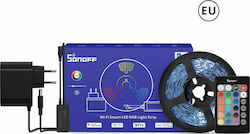
Οι smart επιλογές ταινιών μπορούν να συνδεθούν ασύρματα μέσω Wi-Fi, Bluetooth ή και με άλλα πρωτόκολλα επικοινωνίας, με το smartphone σου. Έπειτα, επιτρέπουν τον απομακρυσμένο χειρισμό των λειτουργιών τους μέσα από το περιβάλλον μίας συμβατής εφαρμογής, δίνοντας τη δυνατότητα για αυξομείωση της έντασης του φωτισμού, αλλαγή του χρώματος του και φυσικά την ενεργοποίηση και απενεργοποίηση τους. Επιπλέον, ταινίες που υποστηρίζουν τη λειτουργία τους μέσω smart οικοσυστημάτων, όπως το Google Home, την Alexa της Αmazon ή και το Apple HomeKit, προσφέρουν ακόμα περισσότερες επιλογές. Σε αυτές τις περιπτώσεις μπορείς να δημιουργήσεις έξυπνα σενάρια με άλλες smart συσκευές, αλλά και να δώσεις εντολές χρησιμοποιώντας απλά τη φωνή σου!

Οι προτάσεις μας: Smart Kit Ταινιών LED


4. Σύνδεση & Στερέωση
Αφού πλέον έχεις καταλήξει στα χαρακτηριστικά και τις επιμέρους δυνατότητες της ταινίας που θα χρειαστείς, ήρθε η ώρα για την τελική εγκατάσταση στο χώρο σου και τη σύνδεση των απαραίτητων εξαρτημάτων. Φυσικά, έχεις και την επιλογή των έτοιμων kit που θα σου λύσει τα χέρια, καθώς αυτά προσφέρουν όλα τα απαραίτητα για την τοποθέτηση και τη λειτουργία της ταινίας σου, μέσα στη συσκευασία. Πάμε, ωστόσο να δούμε τον απαραίτητο εξοπλισμό που θα χρειαστείς, στην περίπτωση που επιλέξεις να προμηθευτείς ξεχωριστά τα μέρη σύνδεσης για την ταινία σου.
Επιλογή τροφοδοτικού
Αν η ταινία που θα επιλέξεις δεν περιλαμβάνει στη συσκευασία της τροφοδοτικό ή δεν λειτουργεί μέσω μπαταριών, τότε θα πρέπει να προχωρήσεις και στη ξεχωριστή αγορά του. Αυτό που θα πρέπει να προσέξεις κυρίως, είναι η τάση λειτουργίας της ταινίας αλλά και η κατανάλωση της ισχύος της, σύμφωνα με τα στοιχεία που δίνει ο κατασκευαστής. Οι περισσότερες ταινίες λειτουργούν με συνεχή τάση (DC) 12V, ή 24V, αλλά επιπλέον πρέπει να συνυπολογίσεις και το τελικό μήκος της ταινίας, ώστε να κάνεις τη σωστή επιλογή. Έτσι, για παράδειγμα, για μια ταινία 5 μέτρων 12V όπου ο κατασκευαστής αναφέρει ότι καταναλώνει 3.6W ανά μέτρο, θα χρειαστείς:

Πρόσθετα εξαρτήματα εγκατάστασης
Φις-Connectors: Για τη σύνδεση των κομματιών των ταινιών LED και Neon LED μεταξύ τους, υπάρχουν στην αγορά φις, όπου η σύνδεση μπορεί να γίνει εύκολα χωρίς να απαιτείται εξειδικευμένη γνώση. Ωστόσο, για την επιλογή των κατάλληλων φις, θα πρέπει να λάβεις υπόψη το είδος της ταινίας. Δηλαδή, αν είναι λευκού φωτός θα χρειαστείς φις με 2 pin, αν είναι RGB με 4 , ενώ αν είναι RGBW, κατάλληλα είναι τα φις με 5 pin.
Στηρίγματα-Clips: Πολλές ταινίες LED διαθέτουν στην πίσω πλευρά τους αυτοκόλλητη ταινία και έτσι μπορούν να προσαρμοστούν εύκολα σε πολλές επιφάνειες. Ωστόσο, με τον καιρό το αυτοκόλλητο μπορεί να αρχίσει να ξεκολλάει. Σε αυτή την περίπτωση μπορείς να επιλέξεις μία πιο σταθερή επιλογή στερέωσης, όπως όπως τα clips για απλές αλλά και για ταινίες τύπου Neon.
Προφίλ Αλουμινίου: Τα προφίλ αλουμινίου εκτός από το καλύτερο οπτικό αποτέλεσμα και την προστασία που προσφέρουν στην ταινία, μπορούν να βοηθήσουν ακόμα και στην παράταση της ζωής της, αφού η θερμότητα δεν παραμένει στην ταινία, αλλά διαχέεται στη επιφάνειά τους.

Σχετικά Άρθρα
Πως να επιλέξω τον κατάλληλο φωτισμό για το χώρο μου!
✨ Japandi Style: Iσορροπία μεταξύ Ιαπωνικής απλότητας & Σκανδιναβικού design
✨ Industrial Style: H γοητεία του νεοϋορκέζικου loft στο σπίτι σου
Άφησε πρώτος το σχόλιό σου!