

Οδηγός Αγοράς Αθλητικών Παπουτσιών
Πως να επιλέξεις τα κατάλληλα αθλητικά παπούτσια.
Σήμερα που οι ρυθμοί της καθημερινότητας είναι πολύ γρήγοροι και παράλληλα χρειάζεσαι απόλυτη άνεση και αθλητική απόδοση, είναι σημαντικό να επιλέξεις τα αθλητικά σου παπούτσια με προσοχή. Η επιλογή πρέπει να γίνει ανάλογα με τον τύπο αθλητικής δραστηριότητας που ασχολείσαι και τις ανάγκες των ποδιών σου, ώστε να αποφύγεις τους τραυματισμούς κ να βελτιώσεις την απόδοση σου. Υπάρχουν παπούτσια για πολλές διαφορετικές αθλητικές δραστηριότητες, όπως τρέξιμο, ποδόσφαιρο, μπάσκετ, τένις, γυμναστική, ορεινό τρέξιμο και άλλα.
Το σημαντικό είναι να διανύεις απόσταση, οπουδήποτε και με ό,τι ρυθμό προτιμάς. Η χρήση activity tracker ή smartwatch που καταγράφουν βήματα, βοηθά να παρακολουθείς την πρόοδο σου και να αυξήσεις σταδιακά την ώρα που περπατάς ή τρέχεις.
Ποια είναι όμως τα ιδανικά αθλητικά παπούτσια για σένα; Παρακάτω θα βρεις τον αναλυτικό οδηγό που θα σε βοηθήσει να επιλέξεις!

Τύπος
Περπάτημα: Θα αναρωτιέσαι... χρειάζομαι παπούτσια για περπάτημα; Τι διαφορετικό έχουν από τα απλά καθημερινά παπούτσια που έχω για κάθε χρήση; Η αλήθεια είναι ότι για μια σύντομη βόλτα στη γειτονιά, οποιαδήποτε άνετα παπούτσια είναι αρκετά.
Αν όμως περπατάς συχνά ή για μεγάλα χρονικά διαστήματα στην άσφαλτο, καλό θα ήταν να επενδύσεις σε αθλητικά παπούτσια που είναι πιο ελαφριά, εξασφαλίζουν την προστασία των ποδιών σου από πιθανούς τραυματισμούς και προσφέρουν ξεκούραστο περπάτημα κατά τη διάρκεια της βόλτας σου.
Running: Σχεδιασμένα για τρέξιμο ή περπάτημα, με διαπνέον πάνω μέρος και τεχνολογίες για απορρόφηση κραδασμών.
Trail: Για περπάτημα στο βουνό ή σε ανώμαλο δρόμο.
Training: Σχεδιασμένα για προπόνηση, παρέχουν καλύτερο κράτημα και πρόσφυση στις πλευρικές κινήσεις, αλλά με λιγότερη απόσβεση κραδασμών συγκριτικά με τα running.
Crossfit: Σχεδιασμένα ώστε να υποστηρίζουν τις διαφορετικές δραστηριότητες ενός crossfit προγράμματος.
Spikes: Παπούτσια στίβου με καρφιά, για χρήση σε συγκεκριμένα τερέν.
-
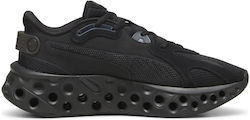 Running
-
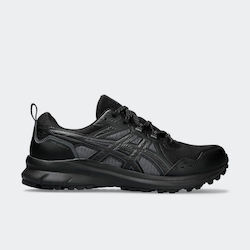 Trail
Trail
-
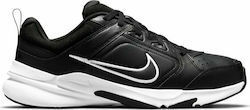 Training
-
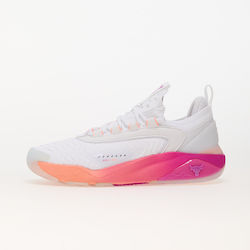 Crossfit
-
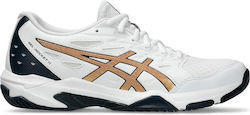 Βόλεϊ
Βόλεϊ
-
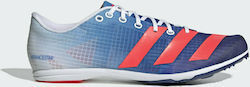 Sprikes
-
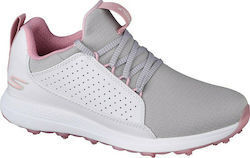 Golf
Golf
Προστασία από Κραδασμούς
Η τεχνολογία αντικραδασμικής προστασίας (cushioning) βρίσκεται στην μεσαία σόλα του παπουτσιού και συνδέεται άμεσα με την αίσθηση της άνεσης που προσφέρει στο περπάτημα.
Επίλεξε παπούτσια για περπάτημα με ενισχυμένη μεσαία σόλα από: γέλη (gel), αφρό (foam) ή αέρα (air), υλικά που μειώνουν την πρόσκρουση και βοηθούν στην απορρόφηση των κραδασμών καθώς περπατάς.
Για υψηλή αντικραδασμική προστασία και άνεση μπορείς να δοκιμάσεις παπούτσια όπως τα Hoka Arahi και τα Nike React Infinity Run Flyknit.

Σταθερότητα: Αίσθηση του παπουτσιού κατά την βάδιση
Tα παπούτσια για περπάτημα χωρίζονται σε 3 κατηγορίες, ανάλογα με την αίσθηση που προσφέρουν στο πόδι:
Κανονική (Neutral): επιτρέπουν ένα φυσικό περπάτημα και δεν έχουν εξαρτήματα για να διορθώσουν το βήμα σου. Προτείνονται για πόδια με κανονική καμάρα και με περισσότερη ενίσχυση (high cushion) για υψηλή καμάρα.
Σταθερότητα (Support): Για πόδια με χαμηλή καμάρα/υπερπρηνισμό, στηρίζουν την καμάρα του ποδιού προσφέροντας μεγαλύτερη αίσθηση σταθερότητας κατά την βάδιση.
Μεγάλη σταθερότητα (Motion Control): Συνήθως πιο βαριά και λιγότερο εύκαμπτα παπούτσια ώστε να κρατάνε το πόδι στην σωστή θέση, για πόδια με πολύ χαμηλή καμάρα.
Εφαρμογή: το σωστό νούμερο και όχι μόνο
Η αγορά ενός παπουτσιού που εφαρμόζει καλά στο πόδι σου, είναι ο καλύτερος τρόπος για να καταλήξεις σε ένα παπούτσι που θα κρατήσει εσένα και τα πόδια σου χαρούμενους για πολλά χιλιόμετρα.
Τα παπούτσια εφαρμόζουν καλά όταν είναι άνετα και όχι σφιχτά, επιτρέποντας στα δάχτυλα των ποδιών σου να κινούνται με άνεση.
Το μπροστινό μέρος του παπουτσιού πρέπει να έχει αρκετό κενό χώρο μπροστά από τα δάχτυλα, περίπου ίσο με το πάχος του αντίχειρα σου.
Αγοράζοντας online, συμβουλέψου τον πίνακα μεγεθών του κατασκευαστή της επιλογής σου, και επίλεξε μετρώντας το μήκος του ποδιού σου σε εκατοστά για να βρεις το κατάλληλο νούμερο.

Αν ξέρεις το νούμερο σου σε ένα κατασκευαστή, με τον πίνακα μεγεθών του Skroutz, μπορείς εύκολα να βρεις το νούμερο σου σε άλλα brands.
Ιδιότητες/Extra χαρακτηριστικά
- Για Ορθοστασία: Σχεδιασμένα για να παρέχουν άνεση και υποστήριξη σε άτομα που περνούν πολλές ώρες όρθια, είτε στην εργασία τους είτε σε άλλες δραστηριότητες.
- Μεμβράνη Gore-Tex: Ελαφριά και αδιάβροχη μεμβράνη που απομακρύνει την υγρασία και επιτρέπει στο πόδι να αναπνέει.
- Υδροαπωθητικό Πάνω Μέρος: Επένδυση στο πάνω μέρος που απωθεί την ελαφριά βροχή.
- Memory Foam: Ενδιάμεση σόλα που κατανέμει το βάρος ομοιόμορφα σε κάθε βήμα για άνεση σε όλο το πόδι.
Αντικατάσταση: πότε να αλλάξω παπούτσια
Μην ξεχάσεις να αντικαταστήσεις τα παπούτσια σου μετά από 500-800 χλμ ή μετά από 6-8 μήνες. Όπως τα λάστιχα του αυτοκινήτου, έτσι και τα παπούτσια για περπάτημα, μετά από τόσα χιλιόμετρα χρήσης, φθείρονται και χρειάζονται αντικατάσταση.
Πολλοί τραυματισμοί (πχ. πόνος και στα 2 γόνατα) προκύπτουν από τη χρήση παλιών φθαρμένων παπουτσιών. Με τον καιρό φθείρεται η μεσαία σόλα, με αποτέλεσμα οι κραδασμοί να γίνονται αισθητοί από το σώμα αντί να απορροφούνται από το παπούτσι.
➡ Δες όλες τις προσφορές Black Friday σε Ρούχα & Παπούτσια!
Σχετικά Άρθρα
Τα καλύτερα αθλητικά παπούτσια (2026)
Δημοφιλείς σειρές Αθλητικών Παπουτσιών
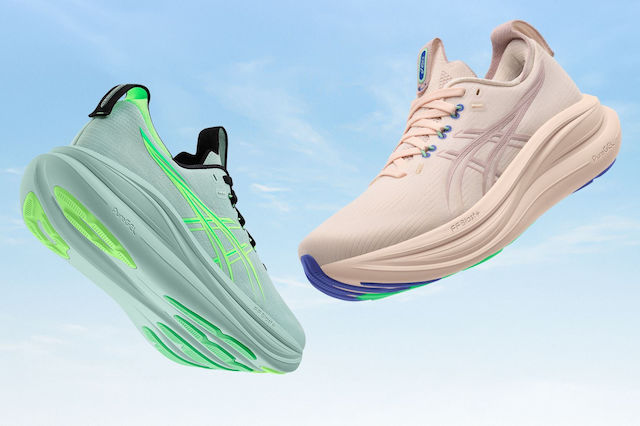
ASICS Gel-Nimbus 28

Άφησε πρώτος το σχόλιό σου!