

Οδηγός αγοράς Ψησταριάς Υγραερίου: Πώς να επιλέξεις την κατάλληλη
Αποφάσισες να αγοράσεις ψησταριά υγραερίου και δεν ξέρεις ποια να επιλέξεις και τι πρέπει να προσέξεις;
Έλα να δούμε τα κύρια χαρακτηριστικά τους και σε ποια απ’ αυτά πρέπει να δώσεις μεγαλύτερη βαρύτητα, με βάση τη χρήση που θες να κάνεις.
Αλλά πριν ξεκινήσουμε, γιατί να προτιμήσεις ψησταριά υγραερίου έναντι του κάρβουνου ή της ηλεκτρικής;
+ Ταχύτητα: Δεν απαιτεί ιδιαίτερη προετοιμασία, όπως το ψήσιμο σε κάρβουνα.
+ Ευκολία χρήσης: Απλά ανάβεις το μάτι, επιλέγεις την ένταση και ψήνεις!
+ Καθαριότητα: Καθαρά χέρια, καθαρή ψησταριά! Το κάρβουνο πολλές φορές μπορεί να λερώσει χέρια, ψησταριά ή και… το πάτωμα.
1. Για πόσα άτομα θα ψήνεις;
Αυτό εξαρτάται από το μέγεθος αλλά και από των αριθμό εστιών που διαθέτει, συνεπώς θα χρειαστεί να τα συνδιάσεις για να βρεις το ιδανικό για τις ανάγκες σου.
Ο παρακάτω πίνακας προσφέρει έναν ενδεικτικό οδηγό ως προς τον αριθμό εστιών, το μέγεθος και την προτεινόμενη χρήση:
Πέρα από τον αριθμό εστιών, μπορεί να σου φανεί ιδιαίτερα χρήσιμη η ύπαρξη πλαϊνού ματιού καθώς σου επιτρέπει να ετοιμάζεις σάλτσες, συνοδευτικά ή ακόμα και να τηγανίζεις παράλληλα με το ψήσιμο σου.
2. Τρόπος εκκίνησης
Υπάρχουν 3 τρόποι να ανάψει μια ψησταριά υγραερίου, οπότε πάμε να τους δούμε!
3. Σχάρα
Οι περισσότερες ψησταριές διαθέτουν σχάρα και πιθανώς πάνω από μία, συνήθως από ατσάλι.
Αυτό που θα προτείναμε είναι πως αξίζει να επενδύσεις σε μια μαντεμένια σχάρα, είτε τη διαθέτει ήδη, είτε την αγοράσεις ξεχωριστά, καθώς σου παρέχει πολλά πλεονεκτήματα όπως
- Εξαιρετική κατακράτηση θερμότητας: Το μαντέμι διατηρεί τη θερμότητα για περισσότερο χρόνο σε σχέση με το ανοξείδωτο ατσάλι ή το επισμαλτωμένο ατσάλι. Αυτό σημαίνει σταθερή θερμοκρασία και πιο ομοιόμορφο ψήσιμο.
- Ιδανική για δυνατά ψησίματα & grill marks: Χάρη στη μεγάλη θερμοχωρητικότητα, δημιουργεί έντονες γραμμές ψησίματος (grill marks) στο κρέας, δίνοντας επαγγελματικό αποτέλεσμα.
- Αντοχή στον χρόνο: Αν συντηρηθεί σωστά, μια μαντεμένια σχάρα μπορεί να κρατήσει δεκαετίες.
Και μιας που αναφέρουμε για τη συντήρηση, να θυμάσαι πως μετά από κάθε χρήση, χρειάζεται να την λαδώνεις με μια πολύ μικρή ποσότητα και να την αποθηκεύσεις σε μέρος που προστατεύεται από τις καιρικές συνθήκες
4. Επιπλέον χαρακτηριστικά
Ενσωματομένο Θερμόμετρο: Σου επιτρέπει να παρακολουθείς τη θερμοκρασία του ψησίματος σου για να πετύχεις τα τέλεια αποτελεσματά
Συλλέκτης λίπους: Κατά το ψήσιμο, το λίπος και οι χυμοί του κρέατος πέφτουν μέσα στη λεκάνη συλλογής αντί να συσσωρεύονται στο εσωτερικό της ψησταριάς. Αυτό μειώνει τη συσσώρευση καμένων υπολειμμάτων και κάνει τον καθαρισμό πολύ πιο εύκολο, βελτιώνοντας τη διάρκεια ζωής της ψησταριάς σου. Παράλληλα, μειώνει τον κίνδυνο αναφλέξεων, αφού το λίπος δεν πέφτει απευθείας στις φλόγες.
Μάτι Υπερύθρων: Αντί να θερμαίνει τον αέρα γύρω από το φαγητό, εκπέμπει θερμότητα απευθείας στα τρόφιμα μέσω ακτινοβολίας. Έτσι φτάνει πολύ πιο γρήγορα σε ιδιαίτερα υψηλές θερμοκρασίες (έως 900 βαθμοί), ιδανικό για searing και τραγανές κρούστες. Απόφυγε το εάν θες αργό ζουμερό αποτέλεσμα καθώς δεν είναι αυτός ο σκοπός του.
5. Τοποθέτηση / Μετακίνηση
Αναλόγως το που θες να έχεις την ψησταριά σου αλλά και πόσο συχνά θες να την μετακινείς, υπάρχουν 3 κατηγορίες.
Δαπέδου: Είναι μεγάλες σε μέγεθος και συνδυάζουν τη ψησταριά μαζί με μία βάση στην οποία τοποθετείται το υγραέριο. Είναι ιδαίτερα χρήσιμο να διαθέτει ντουλάπι αποθήκευσης για τη φιάλη, ώστε να την προστατεύει από τα καιρικά φαινόμενα. Παράλληλα, εάν θες να την μετακινείς συχνά, σιγουρέψου πως διαθέτει ροδάκια καθώς θα σου κάνει τη ζωή πολύ πιο εύκολη.
Επιτραπέζιες: Ελαφριές και μικρές, τοποθετούνται πάνω σε τραπέζι ή πάγκο. Συνδέονται με μικρότερες φιάλες, αν και δεν υπάρχει κάποιος περιορισμός μεγέθους. Είναι καλές επιλογές για συχνές μετακινήσεις όπως camping αλλά και για μικρούς χώρους, όπως μπαλκόνια.
Εντοιχιζόμενες: Προορίζονται για μόνιμη εγκατάσταση σε εξωτερικούς χώρους, ώστε να γίνουν ένα με κάποιο μπάρμπεκιου που διαθέτεις στην αυλή ή το μπαλκόνι (σε ζηλεύω). Δεν μπορείς να τις μετακινήσεις προφανώς.
6. Υγραέριο
Μιας που είναι ένα ιδιαίτερα έφλεκτο υλικό χρειάζεται μια προσοχή, όμως δεν αποτελεί λόγω να αποφύγεις μια ψησταριά υγραερίου καθώς με λίγη προσοχή και τα κατάλληλα εξαρτήματα, δεν θα έχεις κανένα απολύτως πρόβλημα.
Θα χρειαστεί πέρα από τη φιάλη να προμηθευτείς ένα λάστιχο και έναν ρυθμιστή πίεσης. Το πρώτο συνδέει τη φιάλη με τη ψησταριά και το δεύτερο ρυθμίζει την πίεση του αερίου, ώστε η ροή του να είναι ελεγχόμενη και ασφαλής. Παράλληλα, μπορείς να αποκτήσεις ένα σετ λάστιχο με ρυθμιστή για να μην τα αγοράζεις ξεχωριστά.
Τέλος, έχε στο μυαλό σου τα παρακάτω tips ώστε να μην έχεις ποτέ καμία ανυσυχία
- Απόφυγε να την αποθηκεύεις εντός του σπιτιού
- Πάντα να είναι σε όρθια στάση
- Κράτα τη μακριά από πηγές θερμότητας όσο δεν τη χρησιμοποιείς
7. Συντήρηση / Αποθήκευση ψησταριάς
Για να απολαμβάνεις τη ψησταριά σου για πολλά χρόνια χρειάζεται να ακολουθήσεις ορισμένα tips για τη σωστή συντήτηση αλλά και αποθήκευση της.
- Πάντα να την έχεις σε καλά αεριζόμενο χώρο μακριά από υγρασία και βροχή
- Μην αφήνεις ποτέ τη σχάρα βρώμικη καθώς τα υπολείμματα φαγητού θα προκαλέσουν σκουριά. Για ευκολία μπορείς να την καθαρίζεις όταν είναι ακόμα ζεστή
- Εάν διαθέτει συλλέκτη λίπους, άδειαζε τον ώστε να αποφύγεις αναφλέξεις σε επόμενα ψησίματα
Διέλεξε λοιπόν τη ψησταριά που είναι κατάλληλη για σένα και από εμάς, καλά ψησίματα!
Σχετικά Άρθρα
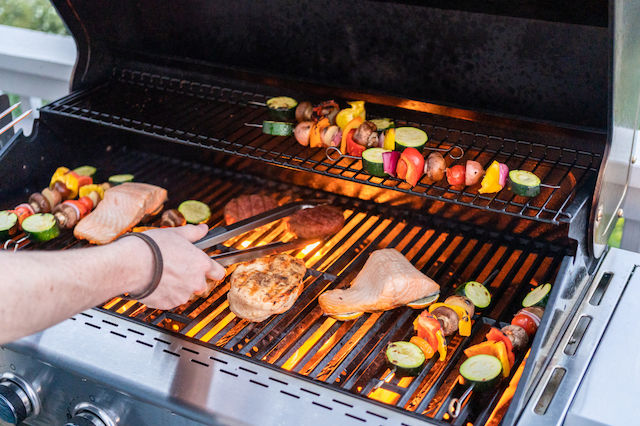
Οι καλύτερες ψησταριές υγραερίου

Ποια είναι η καλύτερη ηλεκτρική ψησταριά για το 2026;

Ψησταριές Υγραερίου: Ο Απόλυτος Οδηγός για το Πρώτο Άναμμα
Άφησε πρώτος το σχόλιό σου!