

Which Instant Water Heater Should You Choose? Everything You Need to Know!
What to consider regarding installation, power supply, wattage, and features
The instant water heater (or tankless water heater) heats water as soon as you turn on the tap, without a tank that needs to fill up and keep the water hot. That makes it a practical choice for a sink, a shower, or even the whole house. However, choosing one involves more factors than you might think: where it will be installed, whether you have electricity or gas, and the power required to deliver the flow rate you want.
We’ve gathered everything you need to know to help you choose the model that’s right for your home. Let’s take a closer look so we can answer all your questions!
1. Where will it be installed: the sink, shower, or throughout the home?
The first decision is where you want hot water, as this determines the appliance’s power, energy supply, and type. Most instantaneous water heaters are wall-mounted, while faucet water heaters work like a tap and are installed on the countertop or wall.
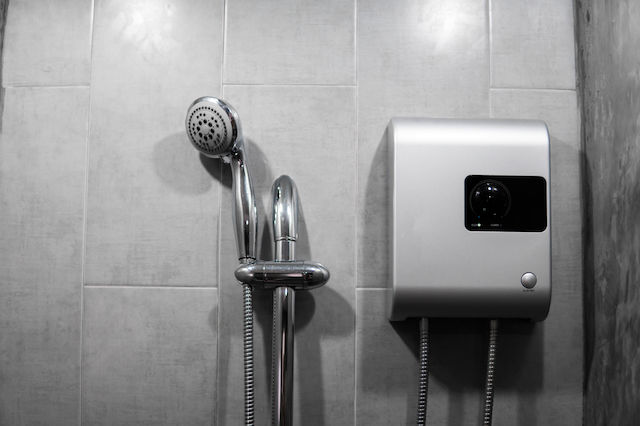
Bathroom water heaters are designed for sinks and showers. Many models come with a shower head, hose, and holder included. You’ll also find “bathroom/kitchen” models that serve both areas. A comfortable shower requires more power than a faucet.
➡ Choose one if: you want hot water for the shower or bathroom sink.
Kitchen/faucet water heaters work like a tap: the faucet itself heats the water. They typically have a power rating of 3 to 3.6 kW, which is enough for washing your hands and dishes with a low water flow.
➡ Choose one if: you want hot water only at the kitchen sink or bathroom sink.
Central water heaters connect to the main water supply and heat water for multiple points, such as the bathroom and kitchen. They have a much higher power rating, usually 5.5 kW or more. Since hot water travels through pipes to the taps, the farther a tap is from the appliance, the more heat is lost along the way.
➡ Choose one if: you want a single appliance for your entire apartment or home and have the required power supply (electricity or gas).
SkroutzTip: It’s a good idea to consider how far the hot water will need to travel. The closer the point of use is to the appliance, the sooner hot water will arrive and the less heat will be lost along the way.
2. Power supply: electricity or gas?
Your home determines the answer: the instantaneous water heater must be compatible with the electricity or gas supply you already have available.
Single-phase electric instantaneous water heaters connect to standard household electricity and are the most common choice. They range from small 3 kW tap heaters to bathroom models and whole-home models rated at 9 kW or more. The higher the power rating, the more load the electrical circuit must be able to handle: some high-powered single-phase models require an upgraded supply, as stated in their specifications.
➡ Choose one if: you have a standard household electricity supply and want hot water at one or two points.
Three-phase electric instantaneous water heaters require a three-phase electricity supply at home. In return, they provide high power, usually from around 11 to 27 kW, allowing them to supply a bathroom and kitchen at the same time. If you’re not sure what type of supply you have, ask your electrician or utility provider before choosing.
➡ Choose one if: you have three-phase electricity and want hot water at several points at the same time.
LPG instantaneous water heaters and natural gas instantaneous water heaters heat water using a burner. They provide a high water flow and need only a minimal amount of electricity or batteries to operate, making them suitable for homes without a high-capacity electrical supply. LPG comes from a cylinder, while natural gas is supplied through the local gas network.
You’ll find two types: open-chamber models draw the air needed for combustion from the room they’re installed in, while sealed-chamber models (with a flue) draw air from outside and vent exhaust gases outdoors.
❗ Warning: installation and connection to the gas supply must be carried out by a licensed technician, with proper room ventilation and exhaust gases vented outdoors.
➡ Choose one if: you already have LPG or natural gas and need a high water flow throughout your home.
3. Power: how many kW do you need?
Power (kW) indicates how much heat the appliance transfers to the water. The more kW it has, the more water it can heat to your desired temperature. As a guide, when 1 liter of water flows per minute, 1 kW raises its temperature by approximately 14°C. For a shower at 38°C, with mains water at 15°C, each kW corresponds to approximately 0.6 liters of water per minute. This means a 7 kW model delivers around 4 liters per minute, while a 3 kW model delivers close to 2.
In winter, mains water is colder, so the same appliance delivers a lower flow rate at the same temperature. The power categories you’ll come across are:
- Basic power (up to 3.5 kW): for a bathroom sink or kitchen tap, with a low water flow rate.
- Medium power (3.6–8.5 kW): for a bathroom shower or a sink with a higher flow rate.
- High power (8.6–15 kW): for a more powerful shower or multiple outlets.
- Maximum power (15.1 kW and above): for using multiple outlets at the same time or as a central solution for the whole home. This category mainly includes three-phase and gas models.
➡ Choose more kW if: you want a powerful shower or hot water at two outlets at the same time.
➡ Choose fewer kW if: you only need hot water for a bathroom sink or kitchen sink.
SkroutzTip: Check the specifications for the maximum water flow rate in liters per minute and compare it with the table. If the flow rate listed for the model is higher than its power can support, the water will be cooler than the temperature you set.
In the table below, you can see an example of the flow rate provided by each power category:
4. Inverter or conventional instantaneous water heater?
A conventional instantaneous water heater operates at fixed power levels: you choose the setting, and the water temperature changes when the flow rate or the temperature of the water in the mains changes. An instantaneous water heater with inverter (also known as a “self-regulating” model) adjusts its power output automatically so the water comes out at the temperature you set. This keeps the temperature more consistent and uses only the power needed at that moment.
If you often change the flow rate—for example, by turning the tap down while you soap up—the inverter keeps the temperature steady without you having to readjust the appliance. The amount of water it can heat is always determined by the model’s maximum power, whether or not it has an inverter.
➡ Choose one if: you want a steady temperature even when the water flow changes.
Discover instant water heaters for a consistent temperature:


5. Temperature control: degrees or settings?
Water temperature is controlled in two main ways, each suited to different needs.
With temperature selection (°C), you set the exact temperature you want, for example 38°C for a shower, and it is usually displayed on a screen. The temperature range supported by each model is specified by the manufacturer and often goes up to 55 or 60°C.
➡ Choose this option if: you want the same temperature every time, without having to experiment.
With settings, you turn a dial between numbered positions, each corresponding to a different power level or temperature. It’s a simpler way to adjust the temperature, but it takes a little trial and error: turn it on, feel the water, and adjust again.
➡ Choose this option if: a simple dial is all you need, for example for a bathroom or kitchen sink.
SkroutzTip: For a shower, 38 to 42°C is usually enough. A higher setting means you’ll also need more power to maintain the same flow rate.
6. Before you click “buy”: water pressure & installation
There are three things worth checking before you buy, as they determine whether the instantaneous water heater will work properly in your home.
- Water pressure: instantaneous water heaters start working when the mains water pressure is high enough. The manufacturer lists the minimum operating pressure in the specifications. If you usually have a weak flow at your location, for example on an upper floor, check this before choosing a model.
- Electrical circuit: high-powered electric models draw a lot of current. Before connecting the unit, an electrician should check the circuit, cable, fuse and grounding in accordance with the manufacturer’s instructions and safety regulations.
- Safety features and water resistance: for bathroom models, look for protection against overheating and dry operation, as well as an IPX4 rating, which indicates resistance to water splashes.
Finally, check the manufacturer’s warranty and keep the user manual: it lists the minimum pressure, required fuse and connection instructions for the model you choose.
Don’t forget! By taking the above features into account and choosing the ones that suit your location, power supply, and hot water needs, you can find the ideal option. Before you decide, take a look at other users’ reviews to hear about their experiences, which may help you make your choice much more easily.
Gas appliances and high-powered electrical appliances must be installed and connected by a licensed technician, in accordance with the manufacturer’s instructions. The information in this article is for guidance only and does not replace advice from your technician.
If you still can’t decide which one is ideal for your home, you can also read the guide to the best instant water heaters and instantaneous water heaters for every use.
This article was created with the help of AI and reviewed and edited by the Skroutz team.
Relevant Articles
The Best Instant Heaters & Instant Water Heaters for Every Use
The Best Oil-Filled Radiators for Every Room
The Best Convector Heaters for Every Need
Be the first to leave a comment!