

Οδηγός αγοράς Αφυγραντήρα
Όλα όσα χρειάζεται να ξέρεις πριν αγοράσεις αφυγραντήρα για το χώρο σου!
O αφυγραντήρας είναι μια συσκευή που μπήκε στη ζωή μας, για να προσφέρει μια πιο ευχάριστη και υγιή ατμόσφαιρα απαλλαγμένη από τη δυσάρεστη υγρασία. Είτε είσαι, λοιπόν, σε αναζήτηση για νέο, είτε είναι η πρώτη φορά που θα αγοράσεις έναν αφυγραντήρα για το χώρο σου, πάμε να δούμε τι χρειάζεται να ξέρεις και τι να προσέξεις!
1. Τύπος
Αρχικά, συναντάμε 3 κύριους τύπους αφυγραντήρων. Οι αφυγραντήρες με συμπιεστή αποτελούν την πιο κοινή επιλογή και είναι πιο αποδοτικοί σε υψηλές θερμοκρασίες, κατάλληλοι για μεγαλύτερους χώρους και απορροφούν περισσότερη υγρασία. Οι θερμοηλεκτρικοί αφυγραντήρες (Peltier), από την άλλη, είναι αθόρυβοι, οικονομικοί και ιδανικοί για μικρούς χώρους. Ενώ, οι αφυγραντήρες που χρησιμοποιούν ως αφυγραντικό μέσο το Ζεόλιθο (Desiccant) είναι κατάλληλοι για χαμηλές θερμοκρασίες και λειτουργούν καλά σε χώρους χωρίς καθόλου θέρμανση, που χρειάζονται διαρκή αφύγρανση.
✨ Αφυγραντήρες με συμπιεστή | Για μεγάλους χώρους
Ένας αφυγραντήρας με συμπιεστή λειτουργεί περίπου όπως ένα οικιακό κλιματιστικό. Στην ουσία η συσκευή απορροφά την υγρασία από το χώρο και συμπυκνώνει τον υγρό αέρα στην ειδική ψυχρή διάταξη που διαθέτει, αφαιρώντας έτσι το νερό από τον διερχόμενο αέρα. Το νερό, που έχει απορροφηθεί, συγκεντρώνεται στο δοχείο της συσκευής, ενώ παράλληλα ο αέρας ψύχεται και μετά από επεξεργασία επιστρέφει στο χώρο κατά 2-3 βαθμούς πιο ζεστός. Αυτός ο αφυγραντήρας προσφέρει πιο άμεσο αποτέλεσμα και είναι πιο οικονομικός στη λειτουργία του σε χώρους που διαθέτουν θέρμανση.
Οι αφυγραντήρες με συμπιεστή είναι κατάλληλοι για χρήση σε χώρους, που θερμαίνονται ικανοποιητικά και διατηρούν τη θερμοκρασία πάνω από τους 15°C όλο το διάστημα της ημέρας.
Top επιλογές σε Αφυγραντήρες με συμπιεστή:


✨ Θερμοηλεκτρικοί Αφυγραντήρες (Peltier) | Για μικρούς χώρους
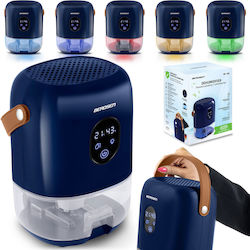
Οι θερμοηλεκτρικοί αφυγραντήρες, είναι γνωστοί κυρίως λόγω των μικρών τους διαστάσεων. Ένας τέτοιος αφυγραντήρας είναι παρόμοιας φιλοσοφίας με έναν αφυγραντήρα με συμπιεστή, όμως βασίζεται στο θερμοηλεκτρικό φαινόμενο Peltier, από το οποίο αντλεί και το όνομά του. Κατά το φαινόμενο αυτό, το ηλεκτρικό ρεύμα διαρρέει δύο διαφορετικά υλικά που ενώνονται σε ένα σημείο και ανάλογα με τη φορά του ρεύματος, το σημείο αυτό είτε θερμαίνεται, είτε ψύχεται. Στην περίπτωση του αφυγραντήρα, ο υγρός αέρας αρχικά εισέρχεται στη συσκευή και ψύχεται - ώστε να αποβάλλει τους υδρατμούς και το νερό - και στη συνέχεια επιστρέφει στο περιβάλλον πιο θερμός. Αυτοί οι αφυγραντήρες συνήθως είναι φορητοί, οικονομικοί και πιο ανθεκτικοί στη φθορά, ενώ διαθέτουν σχεδόν αθόρυβη λειτουργία.
Οι θερμοηλεκτρικοί αφυγραντήρες έχουν περιορισμένη αφυγραντική ικανότητα. Τα περισσότερα μοντέλα αυτής της κατηγορίας έχουν δυνατότητα να αφαιρέσουν περίπου 0,5lt - 0,8lt υγρασίας ανά ημέρα, κάτι που τα καθιστά κατάλληλα αποκλειστικά για πολύ μικρούς χώρους, όπως π.χ. μια ντουλάπα ή ένα μικρό WC.
Top επιλογές σε θερμοηλεκτρικούς Αφυγραντήρες:


✨ Αφυγραντήρες με Ζεόλιθο (Desiccant) | Για χώρους χωρίς θέρμανση
Ένας αφυγραντήρας desiccant χρησιμοποιεί το ζεόλιθο, ένα φυσικό αποξηραντικό υλικό με μεγάλο φάσμα χρήσεων. Ο ζεόλιθος τοποθετείται σε έναν ειδικό δίσκο μέσα στον αφυγραντήρα από τον οποίο περνάει ο αέρας του χώρου και συγκρατείται η υγρασία. Στη συνέχεια, το αποξηραντικό υλικό θερμαίνεται από μια εσωτερική θερμική αντίσταση και αποβάλλει την υγρασία, οδηγώντας το νερό στο δοχείο της συσκευής και το στεγνό αέρα πίσω στο χώρο. Ένας τέτοιος αφυγραντήρας διατηρεί την απόδοσή του σταθερή ανεξάρτητα από τη θερμοκρασία του περιβάλλοντος. Επίσης, κατά τη λειτουργία του «φυσάει» ξηρό και ζεστό αέρα, κάτι που βοηθάει έμμεσα στη θέρμανση. Τέλος, το αποξηραντικό υλικό αναγεννάται ώστε να επαναλαμβάνεται η διαδικασία, επομένως ο ζεόλιθος δε χρειάζεται αντικατάσταση
Οι αφυγραντήρες ζεόλιθου είναι κατάλληλοι για χρήση σε ένα χώρο, δωμάτιο ή σπίτι όπου η θερμοκρασία του αέρα είναι πιθανό να πέσει κάτω από τους 15°C, όπως σε μία αποθήκη, ένα κελάρι ή στο γκαράζ.
Top επιλογές σε Αφυγραντήρες με ζεόλιθο:


2. Ικανότητα αφύγρανσης & κάλυψη χώρου
Η ικανότητα αφύγρανσης μετριέται σε lt/ημέρα και δείχνει τον όγκο νερού που μπορεί να απορροφήσει η συσκευή σε 24 ώρες. Πρόκειται για ένα σύνθετο χαρακτηριστικό που εξαρτάται από πολλού παράγοντες. Ο πιο σημαντικός είναι οι διαστάσεις του χώρου, για τον οποίο προορίζεις τον αφυγραντήρα σου.
Διαστάσεις
Οι διαστάσεις του χώρου σου παίζουν πολύ σημαντικό ρόλο στην επιλογή του κατάλληλου αφυγραντήρα. Τα τετραγωνικά μέτρα (m²) κάλυψης της συσκευής δείχνουν πόσες φορές μέσα στην ημέρα πρέπει ο αφυγραντήρας να σαρώσει τον αέρα στο χώρο για να δώσει το ανάλογο αποτέλεσμα στο επιθυμητό ποσοστό αφύγρανσης, άρα και το συνολικό χρόνο λειτουργίας της συσκευής για να το επιτύχει. Ο αφυγραντήρας πρέπει να μπορεί να καλύψει τουλάχιστον 4- 5 φορές τον αέρα του χώρου σου μέσα σε 8 - 10 ώρες λειτουργίας.
Για κατοικίες με σταθερό ύψος τα 3 μέτρα, μπορείς να λάβεις υπόψη και τον όγκο του χώρου σου σε κυβικά μέτρα (m³).
SkroutzTip: Για να υπολογίσεις τα κυβικά μέτρα του χώρου σου, πολλαπλασιάζεις τα τετραγωνικά μέτρα επί το ύψος του διαμερίσματος. Π.χ. Ένα σπίτι 90m² με ύψος 3m έχει όγκο 270m³ (90m² x 3m ύψος= 270m³).
Ένας λανθασμένος υπολογισμός των αναγκών σου και των παραμέτρων του χώρου σου, μπορεί να οδηγήσει στην αναποτελεσματική λειτουργία του αφυγραντήρα και σε πρόσθετες επιβαρύνσεις στο κόστος λειτουργίας της συσκευής.
Ως γενική κατεύθυνση, υπάρχει ο παρακάτω ενδεικτικός πίνακας για τα τετραγωνικά μέτρα του χώρου στον οποίο θα λειτουργήσει ο αφυγραντήρας:
*Οι παραπάνω διαστάσεις αναφέρονται σε ενιαίους χώρους.
Περισσότεροι παράγοντες που μπορούν να επηρεάσουν την επιλογή του κατάλληλου αφυγραντήρα είναι οι εξής:
Επίπεδα υγρασίας & προσανατολισμός
Σπίτια και χώροι που βρίσκονται κοντά στη θάλασσα, σε μια λίμνη ή σε ορεινή περιοχή, ενδεχομένως να έχουν υψηλότερα επίπεδα υγρασίας συγκριτικά με μία περιοχή που δεν επηρεάζεται τόσο από το υγρό στοιχείο (π.χ. το κέντρο της πόλης).
Μόνωση
Η μόνωση του χώρου σου παίζει καθοριστικό παράγοντα στην επιλογή της ιδανικής συσκευής. Η ηλικία του διαμερίσματος, καθώς και η ποιότητα των θερμομονωτικών υλικών και των κουφωμάτων είναι αυτά που επηρεάζουν τα επίπεδα της μόνωσης. Όσο πιο παλιός είναι ο χώρος που θέλεις να αφυγράνεις και όσο τα υλικά και τα κουφώματα δεν είναι από υλικά καλής ποιότητας, τόσο μεγαλύτερη ικανότητα αφύγρανσης πέπει να έχει η συσκευή που θα επιλέξεις. Επίσης, καλό είναι να λάβεις υπόψιν σου αν υπάρχουν εστιασμένα προβλήματα υγρασίας σε τοίχους ή δωμάτια, τα οποία χρειάζονται μεγαλύτερη απόδοση από τον αφυγρνατήρα.
Θερμοκρασία & χρήση
Χώροι με χαμηλότερες θερμοκρασίες, χώροι που δε χρησιμοποιούνται τόσο συχνά ή χώροι με λιγοστή πρόσβαση σε αερισμό, όπως ένα μπάνιο χωρίς παράθυρο, μια αποθήκη ή βορινά δωμάτια, ενδεχομένως να έχουν χαμηλότερη θερμοκρασία, υψηλότερα επίπεδα υγρασίας, άρα και μεγαλύτερες ανάγκες αφύγρανσης.

3. Θόρυβος
Μια ακόμη σημαντική παράμετρος για την επιλογή του ιδανικού αφυγραντήρα είναι ο θόρυβος της συσκευής, ιδιαίτερα αν προορίζεται για χρήση σε ένα υπνοδωμάτιο. Για το λόγο αυτό είναι σκόπιμο να γίνεται σύγκριση των επιπέδων θορύβου κατά τη λειτουργία του μηχανήματος. Μεταξύ των διαφορετικών τύπων που είδαμε παραπάνω, οι αφυγραντήρες με ζεόλιθο είναι συνήθως ελαφρύτεροι και σχετικά πιο αθόρυβοι κατά τη λειτουργία τους, ενώ και οι πιο σύγχρονοι αφυγραντήρες με συμπιεστή έχουν συνήθως silent mode. Όπως και να 'χει, αν η ησυχία παίζει σημαντικό ρόλο για 'σένα τότε καλό είναι να αναζητήσεις έναν αθόρυβο αφυγραντήρα.
SkroutzTip: Ενδεικτικά, οι αφυγραντήρες που προορίζονται για μικρά δωμάτια, καλό είναι να μην ξεπερνούν τα 38-42dB στη χαμηλή ταχύτητα, ενώ σε μεγαλύτερης ισχύος συσκευές η στάθμη θορύβου μπορεί να κυμανθεί και στα 44–52dB.
4. Ιονιστής
Ταλαιπωρείσαι από αλλεργίες; Σε ενοχλεί η σκόνη; Έχεις ευαισθησία στις μυρωδιές και τις δυσάρεστες οσμές; Ζεις σε ένα σπίτι με ηλικιωμένους ή μικρά παιδιά; Ή μήπως έχεις κάποιο κατοικίδιο;
Αν απάντησες ΝΑΙ σε μία από τις παραπάνω ερωτήσεις τότε ένας αφυγραντήρας με ενσωματωμένο ιονιστή είναι για 'σένα! Πρόκειται για ένα φίλτρο καθαρισμού που απελευθερώνει θετικά και αρνητικά ιόντα, βοηθώντας έτσι στην εξουδετέρωση βακτηριδίων, σκόνης, δυσάρεστων οσμών και αιωρούμενων σωματιδίων. Ο ιονιστής καθαρίζει τον αέρα από μυρωδιές που προέρχονται από τον καπνό ή δραστηριότητες όπως το μαγείρεμα, ενώ βελτιώνει και την ατμόσφαιρα σε χώρους όπου βρίσκονται άτομα ευαίσθητα σε αλλεργίες, όπως τα βρέφη ή οι ηλικιωμένοι άνθρωποι.
Θα βρεις τον ιονιστή ως ξεχωριστή λειτουργία (mode) σε έναν αφυγραντήρα.
5. Φίλτρα
Εκτός από τον ιονιστή, ένας αφυγραντήρας μπορεί να διαθέτει φίλτρο HEPA ή φίλτρο ενεργού άνθρακα, κάθε ένα από τα οποία συμβάλλουν στη βελτίωση της ποιότητας του αέρα, εστιάζοντας σε διαφορετικούς παράγοντες.
- Το φίλτρο HEPA εστιάζει στη σκόνη, τη γύρη και τη μούχλα, καθώς και σε βακτήρια ή άλλα αερομεταφερόμενα σωματίδια, απομακρύνοντάς τα από τον εισερχόμενο -στον αφυγραντήρα- αέρα και επιστρέφοντας τον στο χώρο, απαλλαγμένο από αυτά. Αναζήτησε έναν αφυγραντήρα με φίλτρο HEPA σε περίπτωση που ταλαιπωρείσαι από αλλεργίες, άσθμα ή άλλες αναπνευστικές ευαισθησίες. Καλό είναι να καθαρίζεις το φίλτρο συχνά (1-2 φορές το μήνα) ή αν χρειάζεται να το αντικαθιστάς κάθε 6-12 μήνες, αναλόγως τη χρήση που κάνεις στη συσκευή.
- Το φίλτρο ενεργού άνθρακα, από την άλλη, ενδείκνυται για περιβάλλοντα όπου υπάρχουν καπνιστές, κατοικίδια, έντονες οσμές και ρύποι καυσαερίων ή άλλων επιβλαβών αερίων. Σε συνδυασμό με ένα φίλτρο HEPA μπορούν να προσφέρουν ολοκληρωμένη λύση καθαρισμού του αέρα. Αναζήτησε έναν αφυγραντήρα με φίλτρο ενεργού άνθρακα σε περίπτωση που έχεις κατοικίδιο στο σπίτι για μείωση των οσμών από το τρίχωμα και τις ακαθαρσίες του, αν εσύ ή κάποιος στο περιβάλλον σου καπνίζει ή σε χώρους με έντονες μυρωδιές και χημικά, όπως η κουζίνα ή κάποια αποθήκη. Και αυτό θα πρέπει να αντικαθίσταται κάθε 6-12 μήνες, καθώς η αποτελεσματικότητά του μειώνεται όσο συσσωρεύονται ακαθαρσίες.
Βρες το κατάλληλο φίλτρο για τη συσκευή σου:
6. Επιπλέον δυνατότητες & λειτουργίες
Για πιο εύκολο και βολικό χειρισμό του αφυγραντήρα μπορείς να αναζητήσεις διάφορες extra λειτουργίες, που τον κάνουν πιο φιλικό προς τη χρήση και θα σου λύσουν τα χέρια. Πάμε να τις δούμε:
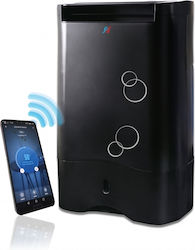
- Ένας αφυγραντήρας με ενσωματωμένο Wi-Fi σου δίνει τη δυνατότητα απομακρυσμένης διαχείρισης της συσκευής από το κινητό σου μέσω ειδικής εφαρμογής. Έτσι, μπορείς να ορίσεις πότε θέλεις να ξεκινήσει ή να σταματήσει τη λειτουργία του ο αφυγραντήρας, να ρυθμίσεις τα επιθυμητά επίπεδα υγρασίας που θέλεις να φτάσει, να αλλάξεις mode, ακόμη και να επικοινωνήσεις με την εξυπηρέτηση πελατών για επίλυση πιθανών προβλημάτων.
- Ακόμη, ένας αφυγραντήρας με δυνατότητα αυτόματης επανεκκίνησης θα συνεχίσει τη λειτουργία του, ακόμη και μετά από πιθανή διακοπή ρεύματος. Έτσι δε χρειάζεται να ανησυχείς αν τον έχεις θέσει σε λειτουργία και βρίσκεσαι εκτός σπιτιού, ούτε να ξυπνήσεις το βράδυ για να τον θέσεις ξανά σε λειτουργία.
- Τέλος, αν θέλεις να απολαμβάνεις συνεχή αφύγρανση, χωρίς να χρειάζεται να αδειάζεις το δοχείο νερού ή θέλεις να τοποθετήσεις τον αφυγραντήρα σε ένα χώρο με άμεση πρόσβαση σε έξοδο νερού, όπως το μπάνιο, μπορείς να αναζητήσεις έναν αφυγραντήρα με σύνδεση σε αποχέτευση.
7. Τοποθέτηση & μετακίνηση
Καλό είναι ο αφυγραντήρας να τοποθετείται σε ένα κεντρικό σημείο μέσα στο σπίτι, στους χώρους που χρησιμοποιούνται περισσότερο και ιδανικά σε μια σταθερή επιφάνεια με λίγο ύψος πάνω από το δάπεδο. Ακόμη κι αν υπάρχει υγρασία σε περισσότερα από ένα σημεία, δεν είναι απαραίτητο να χρησιμοποιήσεις μία διαφορετική συσκευή για κάθε χώρο. Εφόσον οι εσωτερικές πόρτες των δωματίων παραμένουν ανοιχτές, η υγρασία θα μετακινηθεί με φυσικό τρόπο προς τον αφυγραντήρα, ώστε να την απορροφήσει.
Αν πάλι υπάρχει κάποιος χώρος μέσα στο σπίτι με εστιασμένο πρόβλημα υγρασίας, μπορείς να μετακινήσεις τον αφυγραντήρα σε εκείνο το σημείο, ώστε να εξασφαλίσεις σίγουρη απόδοση. Για παράδειγμα, μπορεί να χρειαστεί στην περίπτωση ενός δωματίου με εντοιχισμένες ντουλάπες, που το βλέπει ελάχιστα έως καθόλου ο ήλιος, στο μπάνιο ή σε κάποια αποθήκη - χολ. Εκεί, ο αφυγραντήρας θα πρέπει να τοποθετηθεί ιδανικά με κλειστές τις υπόλοιπες πόρτες, ώστε να τραβήξει όλη την υγρασία. Στη συνέχεια και αφού έχει βελτιώσει την ποιότητα του αέρα στο συγκεκριμένο χώρο, μπορείς να τον τοποθετήσεις και στο υπόλοιπο σπίτι.
Κατά κανόνα οι αφυγραντήρες με συμπιεστή είναι βαρύτεροι και πιο ογκώδεις από αυτούς που λειτουργούν με ζεόλιθο, λόγω της ύπαρξης του συμπιεστή - που προσθέτει περίπου 5-6 κιλά στη συσκευή. Αν σκοπεύεις να τον μετακινείς συχνά, βεβαιώσου ότι το μοντέλο που θα επιλέξεις διαθέτει ροδάκια.
8. Συντήρηση & καθαρισμός
Ο αφυγραντήρας είναι μια συσκευή που επηρεάζει άμεσα την ατμόσφαιρα και την ποιότητα του αέρα που αναπνέουμε. Για αυτό είναι ιδιαίτερα σημαντικό να μεριμνείς για την τακτική συντήρηση και τον καθαρισμό του. Ο σωστός καθαρισμός του αφυγραντήρα συμβάλλει στην καλή και ωφέλιμη λειτουργία της συσκευής, ενώ εξασφαλίζει την κατανάλωση λιγότερης ενέργειας και εγγυάται μεγαλύτερη διάρκεια ζωής. Όλα αυτά σε ένα υγιεινό και καθαρό περιβάλλον!
Τι πρέπει να κάνεις;
- Καθαρισμός των φίλτρων: Τα φίλτρα θα πρέπει να καθαρίζονται κάθε 2-4 εβδομάδες για συνεχή χρήση ή πιο σπάνια αναλόγως τη συχνότητα χρήσης της συσκευής. Αφού βεβαιωθείς ότι ο αφυγραντήρας είναι απενεργοποιημένος και αποσυνδεδεμένος από οποιαδήποτε πηγή ρεύματος, αφαίρεσε το φίλτρο -που βρίσκεται συνήθως στην πίσω πλευρά του- και ξέπλυνέ το με χλιαρό νερό για μερικά δευτερόλεπτα. Αφού στεγνώσει μπορείς να το τοποθετήσεις ξανά στη θέση του.
- Καθαρισμός του δοχείου νερού: Συνίσταται το άδειασμα του δοχείου μετά από κάθε χρήση ή μόλις γεμίσει (ότι συμβεί πρώτο). Μία φορά το μήνα καλό είναι να το καθαρίσεις με νερό και ξίδι ή κάποιο ήπιο σαπούνι για καλύτερη απολύμανση και αποτροπή δημιουργίας μούχλας και βακτηρίων.
- Καθαρισμός εξωτερικών επιφανειών: Καλό είναι να καθαρίζεις τακτικά (περίπου μία φορά το μήνα) και τις εξωτερικές επιφάνειες του αφυγραντήρα, καθώς μπορεί να συσσωρευτεί σκόνη η οποία θα καταλήξει στον αέρα. Σκούπισε τις επιφάνειες αυτές με ένα υγρό πανί και απέφυγε τη χρήση απορρυπαντικών.
- Έλεγχος του συμπιεστή/ανεμιστήρα: Σε αφυγραντήρες που διαθέτουν συμπιεστή ή ανεμιστήρα καλό είναι μία φορά το χρόνο να γίνεται αξιολόγηση από εξειδικευμένο τεχνικό, ώστε να διαπιστώνεται η καλή λειτουργία της συσκευής. Επίσης, καλό είναι να απευθύνεσαι σε ειδικό και κάθε φορά που εντοπίζεται κάποια δυσλειτουργία (περισσότερος θόρυβος, ασυνήθιστοι ήχοι).
- Καθαρισμός των πτερυγίων: Τα πτερύγια ή αλλιώς οι γρίλιες σε έναν αφυγραντήρα συσσωρεύουν το μεγαλύτερο όγκο σκόνης και γι' αυτό το λόγο απαιτούν τακτικό καθαρισμό, προκειμένου ο αέρας που εισέρχεται και εξέρχεται από το μηχάνημα να είναι καθαρός. Αφού απενεργοποιήσεις τη συσκευή μπορείς να τα καθαρίσεις με τη χρήση ηλεκτρικής σκούπας και τη βοήθεια του ειδικού λεπτού εξαρτήματος απορρόφησης.
- Σωστή αποθήκευση: Τέλος, αν πρόκειται να μη χρησιμοποιήσεις τον αφυγραντήρα για αρκετό χρονικό διάστημα καλό είναι να τον καθαρίσεις, ακολουθώντας τα παραπάνω βήματα και να τον αποθηκεύσεις σε ένα στεγνό και καθαρό μέρος. Μπορείς να χρησιμοποιήσεις και κάποιο προστατευτικό κάλυμμα για ακόμη καλύτερη αποθήκευση.

Συχνές ερωτήσεις
Πώς λειτουργεί ένας αφυγραντήρας;
- Η βασική λειτουργία ενός αφυγραντήρα είναι να αφαιρεί την υπερβολική ποσότητα υγρασίας από τον αέρα του χώρου, διατηρώντας τη σε φυσιολογικά επίπεδα.
- Αυτό σημαίνει ότι δημιουργεί τις προϋποθέσεις για ένα πιο υγιές περιβάλλον, ενώ απομακρύνει τα φυσικά και ορατά σημάδια υγρασίας, όπως η μούχλα στους τοίχους ή η συμπύκνωση υδρατμών με τη μορφή σταγονιδίων νερού στα παράθυρα.
- Επίσης, βοηθάει στην πρόληψη παθήσεων που οφείλονται στην υψηλή υγρασία, όπως οι αλλεργίες και το άσθμα.
- Ενώ, η χρήση του αφυγραντήρα σε ένα χώρο κατά τους χειμερινούς μήνες μειώνει και τα έξοδα θέρμανσης, επιτυγχάνοντας καλύτερες συνθήκες διαβίωσης.
Μπορείς να διαβάσεις και το σχετικό άρθρο για το πώς λειτουργεί ο αφυγραντήρας.
Πότε χρειάζεσαι έναν αφυγραντήρα;
- Σημάδια υγρασίας: Η υγρασία μετριέται με διάφορους τρόπους, με τον πιο κοινό να είναι η σχετική υγρασία. Η ιδανική μέση τιμή σχετικής υγρασίας ενός χώρου κυμαίνεται μεταξύ 50% - 55%. Όταν, λοιπόν, η σχετική υγρασία στο σπίτι ή το χώρο σου είναι ανώτερη της φυσιολογικής, δηλαδή πάνω από 55% - 60%, τότε συνιστάται η χρήση ενός αφυγραντήρα. Μπορείς να ελέγξεις την υγρασία του σπιτιού ή κάποιου δωματίου με έναν καλής ποιότητας μετρητή υγρασίας - υγρασιόμετρο. Εάν βέβαια η υγρασία στο σπίτι είναι υπερβολική, τότε τα σημάδια μούχλας και η σχετική μυρωδιά που τη συνοδεύει, θα είναι έκδηλα στο γυμνό μάτι.
- Αίσθηση θερμοκρασίας: Εκτός από τα ορατά σημάδια υγρασίας, ένας ακόμη παράγοντας που θα σε οδηγήσει στην απόφαση αγοράς ενός αφυγραντήρα είναι η αίσθηση της θερμοκρασίας. Το ανθρώπινο σώμα αντιλαμβάνεται τη θερμοκρασία του περιβάλλοντος σαν συνδυασμό της θερμοκρασίας, της υγρασίας και κάποιων άλλων παραγόντων. Ιδιαίτερα τους χειμερινούς μήνες, η υψηλή υγρασία δημιουργεί μία αίσθηση έντονου και πιο διαπεραστικού κρύου. Για παράδειγμα, ένας χώρος με θερμοκρασία 23°C και σχετική υγρασία 80%, είναι πολύ πιο δυσάρεστος από ένα χώρο με 20°C και 50% σχετική υγρασία. Για το λόγο αυτό, με τη ρύθμιση της υγρασίας σε χαμηλότερα επίπεδα μειώνεται και η αίσθηση του κρύου.
- Στέγνωμα ρούχων: Τέλος, ένας συνηθισμένος λόγος χρήσης του αφυγραντήρα είναι το στέγνωμα των ρούχων σε εσωτερικό χώρο κατά τους χειμερινούς μήνες και όχι μόνο. Η χρήση τζακιών ή περιβάλλοντα με πολύ καυσαέριο μπορεί να μη σου επιτρέπουν να απλώσεις τα ρούχα έξω, ακόμη και το καλοκαίρι. Όταν στεγνώνεις τα ρούχα μέσα στο σπίτι, όμως, ο υγρός αέρας μεταφέρεται και στους υπόλοιπους χώρους, δημιουργώντας υγρασία. Επομένως, η χρήση ενός αφυγραντήρα για στέγνωμα ρούχων μπορεί να πετύχει τα επιθυμητά αποτελέσματα γρηγορότερα και με χαμηλό κόστος.
Μην ξεχνάς! Λαμβάνοντας υπόψιν τα παραπάνω επιμέρους χαρακτηριστικά και συνδυάζοντας εκείνα που ταιριάζουν στις ανάγκες σου, μπορείς να καταλήξεις στην ιδανική επιλογή για εσένα. Πριν αποφασίσεις, μπορείς να ρίξεις μια ματιά και στις κριτικές άλλων χρηστών, ώστε να δεις και τη δική τους γνώμη και εμπειρία, που μπορεί να σε βοηθήσουν να καταλήξεις πολύ πιο εύκολα στην τελική απόφαση.
Παρακολούθησε και το σχετικό video με τον αναλυτικό οδηγό αγοράς για Αφυγραντήρες:
Τέλος, μπορείς να ρίξεις μια ματιά και στον οδηγό με τις top επιλογές σε αφυγραντήρες, όπου θα βρεις τις καλύτερες με βάση το feedback των χρηστών.
Σχετικά Άρθρα

Black Friday σε Αφυγραντήρες (2026)
Οι καλύτεροι ιονιστές-υγραντήρες και καθαριστές αέρα
Γιατί χρειάζεσαι στη ζωή σου έναν αφυγραντήρα!
Άφησε πρώτος το σχόλιό σου!