

Ποιά ηλεκτρική κουζίνα χρειάζεσαι; Μάθε τι να προσέξεις πριν την αγορά!
Ψάχνεις την επόμενη κουζίνα σου; Θέλεις μία ελεύθερη συσκευή ή έναν εντοιχιζόμενο φούρνο και εστίες; Ό,τι κι αν χρειάζεσαι και όποια κι αν είναι η ανάγκη σου, μπορείς να βρεις εύκολα και γρήγορα το μοντέλο που θα ταιριάξει στο χώρο σου.
➡ Και πριν απαντήσουμε στα παραπάνω ερωτήματα, μην ξεχνάς ότι με αγορά μέσω Skroutz έχεις:
- Δωρεάν παράδοση στον όροφο σου (ναι, ακόμα και στον 5ο).
- Δωρεάν επιστροφή σε περίπτωση που αλλάξεις γνώμη.
- 2 χρόνια εγγύηση για κάθε ενδεχόμενο (επισκευή, αντικατάσταση ή επιστροφή χρημάτων) και έχεις το κεφάλι σου ήσυχο.
- After-sales υποστήριξη για ό,τι χρειαστείς μετά την αγορά σου.
Με λίγα λόγια, αγοράζεις χωρίς άγχος.
Πάμε, τώρα, να τα δούμε όλα αναλυτικά, για να σου λυθεί κάθε απορία!
⚡ Τύποι συσκευών
1. Ελεύθερες κουζίνες
Πρόκειται για τις παραδοσιακές ενιαίες συσκευές που περιλαμβάνουν το φούρνο και από πάνω τις εστίες και τοποθετούνται είτε ανεξάρτητα στον χώρο, είτε ανάμεσα στους πάγκους της κουζίνας. Οι περισσότεροι έχουμε μεγαλώσει με αυτό τον τύπο της κουζίνας στο σπίτι, με το χαρακτηριστικό συρτάρι αποθήκευσης στο οποίο η μαμά έβαζε τα ταψιά και τα άλλα σκεύη.
Πλεονεκτήματα:
- Εύκολη εγκατάσταση
- Πιο οικονομική επιλογή για το σύνολο "φούρνος + εστίες"
- Μεγάλη ποικιλία μεγεθών και τεχνολογιών
Είναι κατάλληλες για νοικοκυριά που δεν έχουν εντοιχισμένο χώρο ή χρειάζονται ευκολία στην αντικατάσταση. Προτιμάται, επίσης, περισσότερο σε παλιότερα ή εξοχικά νοικοκυριά, στα οποία έχει αφεθεί χώρος για την τοποθέτησή της συσκευής μεταξύ των ντουλαπιών της κουζίνας.
2. Εντοιχιζόμενοι φούρνοι & εστίες
Οι εντοιχιζόμενοι φούρνοι τοποθετούνται μέσα σε έπιπλο κουζίνας, προσφέροντας αρμονική αισθητική στο χώρο. Αν επιλέξεις έναν τέτοιο φούρνο, όπου συναντάται στις περισσότερες σύγχρονες κουζίνες, χρειάζεται να προχωρήσεις σε μία σειρά άλλων μικρών αποφάσεων.
Αρχικά, θα πρέπει να αποφασίσεις από πριν που θα μπει ο εντοιχιζόμενος φούρνος σου. Σε ποιο ύψος θέλεις να τοποθετηθεί; Υπάρχει η επιλογή τοποθέτησης σε στήλη ψηλά, για να υπάρχει εύκολη και άμεση πρόσβαση χωρίς να χρειάζεται να σκύβεις ή κλασική τοποθέτηση χαμηλά, κάτω από τον πάγκο και συνήθως κάτω από τις εστίες.
Στη συνέχεια, θα πρέπει να αποφασίσεις εάν θέλεις να αγοράσεις το φούρνο ανεξάρτητα από τις εστίες ή μαζί ως σετ. Οι εστίες είναι χωριστές μονάδες, συνήθως αυτόνομες και μπορούν να συνδυαστούν με έναν οποιοδήποτε φούρνο.
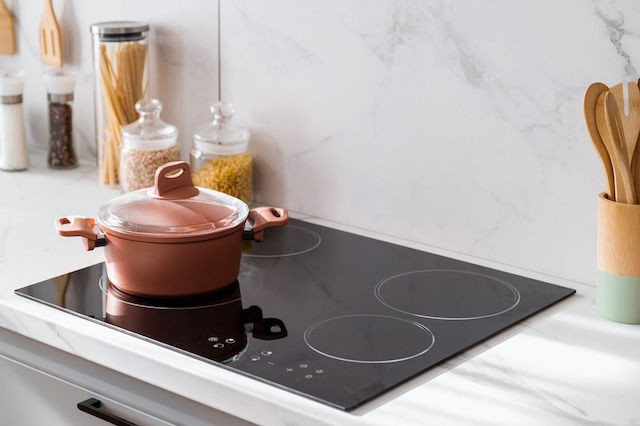
➡ Μπορείς να μάθεις περισσότερα για την επιλογή των κατάλληλων στον αναλυτικό οδηγό αγοράς για εστίες κουζίνας.
Πλεονεκτήματα:
- Ενσωμάτωση στον σχεδιασμό της κουζίνας, προσφέροντας πιο ευέλικτη διάταξη
- Ευκολότερη χρήση (μπορούν να τοποθετηθούν σε ύψος)
- Πολλές προηγμένες λειτουργίες
Αυτή η επιλογή είναι κατάλληλη για όσους φτιάχνουν ή ανακαινίζουν την κουζίνα τους και θέλουν μοντέρνα εμφάνιση και εργονομία, προσφέροντας τόσο ευελιξία κινήσεων, όσο και πρακτικότητα στην καθημερινότητα.
Μάθε περισσότερα για κάθε τύπο στους αντίστοιχους οδηγούς αγοράς:
⚡Διαστάσεις & χωρητικότητα
Οι διαστάσεις είναι ακόμη ένας παράγοντας που πρέπει να λάβεις υπόψιν πριν την αγορά, ώστε να βεβαιωθείς ότι η συσκευή σου θα χωράει στην κουζίνα σου. Θα πρέπει, λοιπόν, να απαντήσεις την εξής ερώτηση:
Υπάρχει ήδη χώρος στην κουζίνα, ο οποίος προορίζεται για τη νέα σου συσκευή;
- Αν ναι, θα πρέπει να κοιτάξεις για ένα φούρνο/κουζίνα που θα χωράει στο συγκεκριμένο χώρο και θα έχει τις ανάλογες διαστάσεις.
- Αν όχι, μπορείς να επιλέξεις όποια συσκευή θέλεις και στη συνέχεια να συνεννοηθείς με τον επαγγελματία που θα κάνει την εγκατάσταση, ώστε να δημιουργήσει τον αντίστοιχο χώρο.
Το τυπικό πλάτος των ελεύθερων κουζινών κυμαίνεται από 50–90 εκ., ενώ για τους εντοιχιζόμενους φούρνους το πλάτος είναι συνήθως 60 εκ.
Στον παρακάτω πίνακα μπορείς να δεις ποια συσκευή είναι ιδανική για τις δικές σου ανάγκες:
SkroutzTip: Για την επιλογή των ιδανικών διαστάσεων, μπορείς να ελέγξεις αν το μεγαλύτερο ταψί που ήδη έχεις, χωράει στο νέο φούρνο που σκέφτεσαι να αγοράσεις. Αυτό θα σε βοηθήσει να συγκρίνεις εύκολα την παλιά με τη νέα συσκευή.
⚡Τύπος ενέργειας
1. Ηλεκτρικής ενέργειας | Η ηλεκτρική ενέργεια είναι η πιο διαδεδομένη επιλογή για φούρνους και εστίες στις σύγχρονες κουζίνες.
- Οι ηλεκτρικοί φούρνοι προσφέρουν σταθερή θερμοκρασία, η οποία είναι ιδανική για ομοιόμορφο ψήσιμο σε φαγητά όπως πίτες, γλυκά και ψητά.
- Διαθέτουν πολλές λειτουργίες όπως αέρας, grill, πάνω-κάτω αντιστάσεις και συνδυαστικά προγράμματα, ενώ η εγκατάστασή τους είναι σχετικά απλή, καθώς απαιτεί μόνο παροχή ρεύματος.
- Ένα ακόμη πλεονέκτημα είναι ο αυτοκαθαρισμός, ο οποίος προσφέρεται σε πολλά μοντέλα, είτε μέσω καταλυτικής, είτε μέσω πυρολυτικής τεχνολογίας.
Ωστόσο, ένα βασικό τους μειονέκτημα είναι ότι αργούν περισσότερο να ζεσταθούν σε σχέση με άλλες μορφές. Επίσης, μπορεί να έχουν ελαφρώς υψηλότερη κατανάλωση ρεύματος, ιδιαίτερα αν χρησιμοποιούνται συχνά. Παρόλα αυτά, αποτελούν ιδανική επιλογή για καθημερινή χρήση από οικογένειες ή άτομα που μαγειρεύουν τακτικά και ποικιλία φαγητών.
2. Αερίου (φυσικό ή υγραέριο) | Οι συσκευές που λειτουργούν με αέριο είναι παραδοσιακή, αλλά και αποτελεσματική λύση, ιδιαίτερα για τις εστίες.
- Προσφέρουν άμεση και δυνατή θέρμανση, με άμεση απόκριση στις ρυθμίσεις ισχύος – κάτι που δίνει στον μάγειρα μεγαλύτερο έλεγχο.
- Το κόστος λειτουργίας τους είναι χαμηλότερο, ειδικά όταν χρησιμοποιείται φυσικό αέριο.
- Οι εστίες αερίου συγκεκριμένα είναι ιδανικές για τηγάνισμα, σοτάρισμα και γρήγορο μαγείρεμα σε κατσαρόλες.
Στους φούρνους, όμως, η τεχνολογία αερίου είναι λιγότερο δημοφιλής, κυρίως γιατί προσφέρει λιγότερες λειτουργίες. Δεν υπάρχει επιλογή για κυκλοφορία θερμού αέρα, προηγμένα προγράμματα ή αυτοκαθαρισμό. Επιπλέον, η εγκατάσταση απαιτεί σύνδεση σε παροχή αερίου και καλό εξαερισμό του χώρου. Παρά τις δυσκολίες, οι φούρνοι αερίου είναι κατάλληλοι για παραδοσιακές κουζίνες ή επαγγελματικά περιβάλλοντα, όπου η εξοικονόμηση κόστους και η ταχύτητα προέχουν.
3. Μεικτοί | Οι μεικτοί φούρνοι αποτελούν μια ευέλικτη και ολοκληρωμένη λύση για την κουζίνα, καθώς συνδυάζουν περισσότερες από μία τεχνολογίες μαγειρέματος σε μία συσκευή.
- Έτσι, ο χρήστης μπορεί να απολαύσει τόσο την ακρίβεια και σταθερότητα του ηλεκτρικού ψησίματος, όσο και την ταχύτητα και αμεσότητα του αερίου.
- Οι πιο εξελιγμένοι μεικτοί φούρνοι προσφέρουν εξειδικευμένα προγράμματα ή συνδυασμούς λειτουργιών για γρήγορα και ομοιόμορφα αποτελέσματα.
Αν και συνήθως κοστίζουν περισσότερο, απευθύνονται σε όσους αναζητούν μέγιστη ευελιξία και εξοικονόμηση χώρου, χωρίς να θυσιάζουν την ποιότητα στο μαγείρεμα.
Αν ακόμη δυσκολεύεσαι να καταλήξεις, το κυριότερο ερώτημα - στο οποίο μπορείς να απαντήσεις για να φτάσεις στην ιδανική επιλογή - είναι:
Τι είναι αυτό που χρειάζεσαι περισσότερο;
⚡Λειτουργίες φούρνου
Ένας, ακόμη, βασικός παράγοντας επιλογής είναι και οι λειτουργίες, οι τρόποι ψησίματος, καθώς και τα προγράμματα, που διαθέτει η συσκευή. Κάποτε μπορεί να ήταν αρκετές η πάνω, η κάτω αντίσταση και το γκριλ. Πλέον, όμως, έχουμε πολλές περισσότερες επιλογές. Ας δούμε τους βασικότερους τρόπους λειτουργίας, που παρέχουν οι σύγχρονοι φούρνοι, ως προς τον τρόπο προετοιμασίας φαγητών και γλυκών, και για ποια είδη ενδείκνυται ο καθένας:
⚡Καθαρισμός
Η αφαίρεση καμένων υπολειμμάτων φαγητού είναι μερικές φορές εφιάλτης. Η σύγχρονη τεχνολογία στους φούρνους, όμως, υπόσχεται θεαματικά αποτελέσματα στον τομέα του καθαρισμού και αυτοκαθαρισμού των εσωτερικών επιφανειών με ελάχιστη προσπάθεια. Αυτό μπορεί να επιτευχθεί χάρη στα ακόλουθα:
- Εσωτερική επιφάνεια υψηλής αντοχής από αντικολλητικό εμαγιέ υλικό
- Αναδιπλούμενο γκριλ για ευκολότερο καθάρισμα της οροφής του φούρνου
- Αφαιρούμενη πόρτα φούρνου για εύκολο και αποτελεσματικό καθαρισμό
- Πόρτα με εσωτερική επιφάνεια από κρύσταλλο για εύκολο καθαρισμό
- Ειδικές επιστρώσεις στο πίσω μέρος με δυνατότητα αυτοκαθαρισμού
Λειτουργίες αυτοκαθαρισμού
- Πυρόλυση, κατά την οποία γίνεται χρήση πολύ υψηλών θερμοκρασιών (450–500°C) για διάστημα 1,5-3 ωρών, που καθαρίζει το φούρνο καίγοντας τα υπολείμματα. Ιδανικός τύπος αυτοκαθαρισμού για όσους κάνουν συχνή χρήση του φούρνου και θέλουν ελάχιστη συντήρηση και μέγιστη καθαριότητα.
- Υδρόλυση, όπου πρόκειται για λειτουργία αυτοκαθαρισμού με τη χρήση ατμού, για μαλακή απομάκρυνση των υπολειμμάτων. Εδώ, γίνεται προσθήκη νερού στον πυθμένα του φούρνου και σε χαμηλή θερμοκρασία (~50–100°C) για περίπου 20-40 λεπτά. Στη συνέχεια και αφού κρυώσει λίγο ο φούρνος, απαιτείται χειροκίνητος καθαρισμός με πανί. Ιδανικός τρόπος για όσους μαγειρεύουν ελαφριά και θέλουν απλώς έναν εύκολο τρόπο τακτικής συντήρησης.
- Κατάλυση, κατά την οποία απορροφώνται τα λίπη στα ειδικά πάνελ που υπάρχουν στα τοιχώματα του φούρνου και στη συνέχεια διασπώνται σταδιακά (κατά τη διάρκεια του ψησίματος). Ενδείκνυται για χρήστες που μαγειρεύουν συχνά και θέλουν εύκολη συντήρηση χωρίς χρονοβόρες διαδικασίες.
Χειροκίνητος καθαρισμός
Φυσικά, πάντα υπάρχει και η επιλογή του χειροκίνητου καθαρισμού με ειδικά καθαριστικά για τέλεια αποτελέσματα από τα χεράκια σου. Πάντα, όμως, με προσοχή. Ακολούθησε τα παρακάτω βήματα και θα εντυπωσιαστείς από το αποτέλεσμα.
- Πριν ξεκινήσεις, βγάλε τον φούρνο από την πρίζα ή απενεργοποίησέ τον από τον πίνακα και περίμενε να κρυώσει τελείως, για να αποφύγεις εγκαύματα. Για επίμονους λεκέδες, ζέστανε τον φούρνο ελαφρώς στους 50–60°C για λίγα λεπτά, σβήσε τον και εφάρμοσε το καθαριστικό σε ζεστή επιφάνεια – θα μαλακώσουν πιο εύκολα τα λίπη.
- Αφαίρεσε ταψιά, σχάρες, οδηγούς, ακόμα και τις πλευρικές βάσεις αν είναι αποσπώμενες και καθάρισέ τα ξεχωριστά με ζεστό νερό και σαπούνι ή με μαγειρική σόδα + ξίδι για πιο ισχυρή δράση.
- Προτίμησε ειδικά καθαριστικά φούρνου ή φυσικές λύσεις όπως ξίδι ή λεμόνι, για απολύμανση, μαγειρική σόδα + νερό (φτιάξε πάστα και άπλωσέ την στους λεκέδες) και απόφυγε σκληρά χημικά αν ο φούρνος έχει καταλυτικά πάνελ. Ακόμη, μην χρησιμοποιείς ποτέ σύρματα ή μεταλλικά σφουγγάρια – μπορεί να γρατζουνίσεις τις επιφάνειες.
- Η εσωτερική γυάλινη πόρτα μπορεί να καθαριστεί με ζεστό σαπουνόνερο ή ειδικό υγρό τζαμιών, ενώ για τους αρμούς, χρησιμοποίησε μπατονέτες ή παλιά οδοντόβουρτσα για τις γωνίες. Μην ξεχνάς να καθαρίζεις και τους αεραγωγούς, τις γρίλιες και τα λάστιχα στεγανοποίησης.
- Μετά τον καθαρισμό, σκούπισε καλά με νωπό πανί για να αφαιρέσεις τα υπολείμματα καθαριστικού ή σόδας και στη συνέχεια, στέγνωσε με καθαρό, στεγνό πανί. Άφησε την πόρτα του φούρνου ελαφρώς ανοιχτή για λίγες ώρες, ώστε να εξατμιστούν τυχόν υγρασία και οσμές.
- Επανέλαβε κάθε 1–2 εβδομάδες αν χρησιμοποιείς συχνά τον φούρνο.
Βρες top καθαριστικά για την κουζίνα σου:




⚡Ενεργειακή ετικέτα
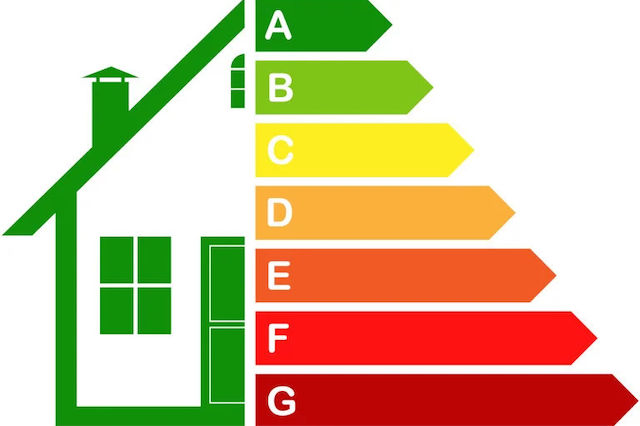
Η ενεργειακή ετικέτα στους φούρνους δεν είναι τόσο σημαντική όσο σε άλλες οικιακές συσκευές, όπως το ψυγείο ή το πλυντήριο. Ωστόσο, φέρει κάποια σημαντικά στοιχεία που αξίζει να δούμε, όπως:
- Πόσο αποδοτικός είναι ο φούρνος
- Τι κατανάλωση ενέργειας έχει ανά κύκλο
- Το μέγεθος και τη χωρητικότητα του θαλάμου
Από το 2021, η νέα ενεργειακή ετικέτα της ΕΕ έχει απλοποιηθεί και ισχύει για όλες τις μεγάλες συσκευές.
⬇ Παρακάτω μπορείς να μάθεις τα πάντα για τις ενεργειακές ετικέτες των φούρνων και πως να τις αποκωδικοποιήσεις:

⚡Ασφάλεια
Οι σύγχρονες συσκευές έχουν ενσωματωμένα προγράμματα προστασίας για παιδιά και έχουν γίνει τόσο «έξυπνες», ώστε να μη χρειαστεί ποτέ να επιστρέψεις εσπευσμένα στο σπίτι, επειδή σου πέρασε από το μυαλό ότι άφησες ανοιχτό το φούρνο.
Ας δούμε πιο αναλυτικά κάποιες επιλογές:
- Δυνατότητα αυτόματης απενεργοποίησης αν η διάρκεια λειτουργίας υπερβεί το μέγιστο επιτρεπόμενο όριο
- Πλήκτρο κλειδώματος ασφαλείας της συσκευής για να μην τεθεί σε λειτουργία από τα παιδιά
- Χαμηλή θερμοκρασία στο εξωτερικό κρύσταλλο της πόρτας, χάρη στις πολλαπλές στρώσεις θερμομονωτικών κρυστάλλων, για την αποφυγή εγκαυμάτων
⚡Εξοπλισμός
- Κάθε κουζίνα ή φούρνος συνοδεύεται, συνήθως, από 2 ταψιά (ένα ρηχό, ένα βαθύ) και φυσικά τις σχάρες, ενώ μπορείς να προμηθευτείς και διάφορα επιπλέον εξαρτήματα για περισσότερες δυνατότητες. Κάποιες συσκευές προσφέρουν και σούβλα για ακόμη περισσότερες επιλογές μαγειρέματος.
- Πολύ σημαντική είναι και η ύπαρξη τηλεσκοπικού μηχανισμού, που επιτρέπει να βγάλεις το ταψί προς τα έξω χωρίς να χρειάζεται να "μπεις" μέσα στο φούρνο για να δεις την εξέλιξη του φαγητού, με κίνδυνο να καείς. Ενώ, οι φούρνοι με πτυσσόμενη πόρτα, η οποία βυθίζεται κάτω από τον θάλαμο, είναι μία ακόμη εξαιρετική επιλογή, για να εξασφαλίσεις ασφαλή και εύκολη πρόσβαση στο φαγητό.
- Τέλος, ψάξε και για ενσωματωμένη λειτουργία στοπ στις ράγες, αν θέλεις να αποφύγεις ανεπιθύμητη πτώση του ταψιού κατά την έξοδό του.
⚡Εμφάνιση & σχεδιασμός
Στην πλειοψηφία τους, κυκλοφορούν κουζίνες & φούρνοι σε ασημί χρώμα που δίνουν την αίσθηση «υψηλής τεχνολογίας» μέσα στην κουζίνα και ταιριάζουν στους περισσότερους χώρους. Ωστόσο, διατίθενται ακόμη συσκευές σε λευκό χρώμα, κυρίως ελεύθερες κουζίνες, ενώ υπάρχουν προτάσεις και για εκείνους που αναζητούν άλλες αποχρώσεις, όπως φούρνοι σε μαύρο χρώμα για minimal και πρωτότυπη αισθητική.
Άλλα χαρακτηριστικά που αξίζει να προσέξεις:
- Χρονοδιακόπτης: Χρήσιμος τόσο για να προγραμματίσεις το φούρνο να αρχίσει να ψήνει κατά την απουσία σου, ώστε να βρεις το φαγητό έτοιμο όταν επιστρέψεις, όσο και για να αποφύγεις τυχόν ατυχήματα ακόμα κι αν είσαι σπίτι.
- Θερμόμετρο για τα ψητά, για να μην υπάρχει πλέον ανάγκη επιτήρησης της διαδικασίας μαγειρέματος. Ο φούρνος κλείνει αυτόματα όταν το ψητό φτάσει στην επιθυμητή θερμοκρασία.
- Πτυσσόμενη πόρτα φούρνου: Μετά το άνοιγμα του φούρνου η πτυσσόμενη πόρτα βυθίζεται εντελώς κάτω από το θάλαμο του φούρνου, διευκολύνοντας τη χρήση.
- Διακόπτες: Μπορείς να επιλέξεις ανάμεσα σε βυθιζόμενους διακόπτες για εύκολο καθαρισμό και minimal αισθητική, διακόπτες αφής για μοντέρνες κουζίνες ή τους κλασικούς σταθερούς διακόπτες, που δε βυθίζονται εσωτερικά.
Μην ξεχνάς! Λαμβάνοντας υπόψιν τα παραπάνω επιμέρους χαρακτηριστικά και συνδυάζοντας εκείνα που ταιριάζουν στις ανάγκες σου, μπορείς να καταλήξεις στην ιδανική επιλογή για εσένα. Πριν αποφασίσεις, μπορείς να ρίξεις μια ματιά και στις κριτικές άλλων χρηστών, ώστε να δεις και τη δική τους γνώμη και εμπειρία, που μπορεί να σε βοηθήσουν να καταλήξεις πολύ πιο εύκολα στην τελική απόφαση.
Μπορείς να ρίξεις μια ματιά και στον οδηγό με τις top επιλογές σε κουζίνες & φούρνους, όπου θα βρεις τις καλύτερες με βάση το feedback των χρηστών.
Σχετικά Άρθρα
Ενεργειακή ετικέτα Φούρνων: Πώς να τη διαβάσεις σωστά!
Οδηγός αγοράς για Εστίες Κουζίνας

Οι καλύτεροι απορροφητήρες κουζίνας
Άφησε πρώτος το σχόλιό σου!