

Is Your Car Ready for Winter? What to Check and What to Always Keep in Your Car
Cold weather, rain, ice and shorter days make things harder for both drivers and their cars. Winter is when most of the “small” problems we’ve put off start to show up: a battery that won’t start the car on a cold morning, a wiper that leaves streaks, or windscreen washer fluid that freezes.
In this guide, you’ll find 6 checks you can do yourself in just a few minutes, plus what’s worth keeping in your trunk at all times to get through winter without any surprises!
Step 1: 6 checks you can do yourself
1. Battery
The battery is the first component to struggle in cold weather. Low temperatures reduce its power output, while the engine needs more power to start. It’s worth checking the battery if you notice any of the following:
- The starter turns slowly: the car struggles to start, especially in the morning.
- The dashboard lights dim when you start the car.
- The battery is over 4–5 years old: even if it hasn’t shown any signs of trouble, it’s more likely to let you down in winter.
If you’re unsure, a check at a garage takes just a few minutes. If the battery needs replacing, you’ll find the right one in Car Batteries. If your car sits unused for several days, a battery maintainer will keep it charged.
2. Tires
Tires are the only point of contact between your car and the road, and in winter that matters twice as much.
- Tread: the legal minimum tread depth is 1.6 mm, but for wet or snowy roads, it’s best to have more than 3–4 mm.
- Pressure: tire pressure drops in cold weather, by about 0.1 bar for every 10°C. Check it once a month when the tires are cold.
- Winter or all-season tires: if you live or travel in areas with snow and ice, winter tires provide much better grip when temperatures fall below 7°C.
Not sure which tires are right for you? See our tire buying guide.
3. Wiper blades and windshield washer fluid
Rain, mud, and road salt make good visibility essential.
- Wiper blades: if they leave streaks, skip across the windshield, or make noise, it’s time to replace them. See how to replace your wiper blades yourself.
- Windshield washer fluid: use fluid with antifreeze protection, not plain water, which can freeze in the reservoir and nozzles.
4. Engine coolant
Antifreeze protects the engine from freezing in winter and overheating in summer.
- Level: with the engine cold, check that the fluid in the expansion tank is between the MIN and MAX marks.
- Cold-weather protection: antifreeze can lose strength over time. At your next service, ask them to check the temperature it protects down to.
- Topping up: use the type recommended by your car’s manufacturer, and don’t mix different types.
5. Lights
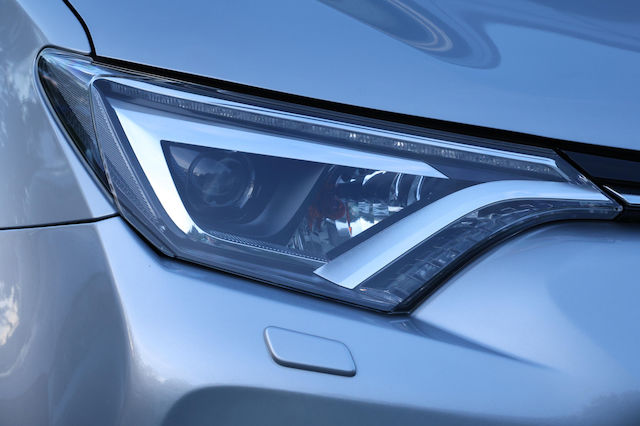
With shorter days, you’ll drive in the dark more often. Turn on all the lights and walk around the car: low beams, high beams, fog lights, indicators, brake lights, reverse lights, and license plate lights. If a bulb has blown or is dim, you’ll find a replacement in Car Bulbs.
6. Oil
In cold weather, the engine needs oil that circulates quickly when you start the car. The first number before the “W” (e.g., 5W-30) indicates how well the oil flows in cold temperatures: the lower the number, the better.
Check the level with the dipstick and, if it’s nearly time for an oil change, don’t put it off until after winter. Always use the manufacturer’s specified oil. Find out more in our guide to which oil to use in your car.
Step 2: What to always keep in your trunk
You don’t need much, just the right essentials:
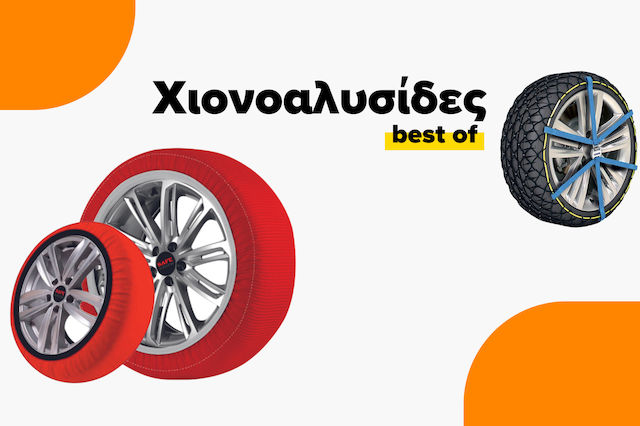
- Snow chains or snow socks: essential if you drive in mountainous areas. See which ones to choose and when they’re mandatory. Practice fitting them at home, not for the first time in the snow!
- Jump starter or jumper cables: with a jump starter, you can start your car without needing another vehicle. See how to choose the right one.
- Ice scraper: to clear your windshield without scratching it.
- Flashlight, gloves and a blanket: small items that make a big difference if you’re stranded in the cold at night.
- Tow rope: in case your car gets stuck or needs to be towed.
#Tipsbyskroutzteam: Small habits that make a difference
- Don’t pour hot water on a frozen windshield. The sudden change in temperature can crack it.
- Keep your fuel tank at least half full. If you get stuck in traffic or snow, you’ll have fuel to keep the car warm.
- If you don’t have a garage, park with the windshield facing east. The morning sun will melt the ice before you set off.
- Don’t set off with fogged-up windows. Turn on the windshield heater with the air conditioning on: the air conditioning removes moisture, so the windows clear faster.
- Don’t let the engine idle for too long to warm up. Modern cars warm up faster if you start driving gently after a few seconds.
Your Winter Checklist
Relevant Articles
Buying Guide: How to Choose the Right Bulbs for Your Car
The best car snow chains
See what you should pay attention to before changing the wheels on your car
Be the first to leave a comment!