

Wiper Blade Design: Conventional, Flat, or Hybrid? A Guide to Choosing the Right One
When it comes time to replace your car’s windshield wipers, the most likely thing is that you focus only on the correct size. However, the design (or manufacturing technology) plays a decisive role in how well it will clean the windshield, how much noise it will make, and how long it will last over time.
Today, three main design types dominate the market. See exactly how they work so you can choose the one that suits your needs.

1. Conventional wipers (Metal frame)
This is the classic design you have known for decades and the "standard" choice if you have an older car.
How do they work?
They feature an external, articulated metal frame. This frame uses multiple pressure points to press the rubber blade against the curved surface of the windshield.
Advantages:
Cost: They are the most economical option on the market.
Compatibility: They fit almost all older vehicles that use the classic "hook" (U-hook) attachment.
Disadvantages:
Aerodynamics: At high speeds, air can pass through the metal frame and slightly "lift" the wiper, reducing its contact with the glass and causing noise.
Vulnerability: The frame joints may rust over time or freeze in winter, preventing proper operation.
Aesthetics: They are now considered visually outdated.

2. Flexible windscreen wipers (Flat / Beam Blades)
This is the modern technology you find as original equipment (factory-installed) in the vast majority of new cars.
How do they work?
They do not have an external metal frame or joints. Instead, they feature an internal, pre-tensioned spring strip (usually made of steel) integrated inside the rubber blade. This strip takes the shape of the windshield and applies even pressure along the entire length of the blade.
Advantages:
- Even pressure: They clean better, as there are no "dead spots," even on strongly curved windshields.
- Aerodynamics: Their low profile and integrated spoiler use the force of the air to "stick" the wiper to the glass at high speeds, eliminating annoying noise.
- Winter durability: With no exposed joints, they are not at risk of freezing or getting blocked by snow.
- Modern appearance: They are sleek and discreet.
Disadvantages:
Cost: They are more expensive than conventional ones.

3. Hybrid Wipers (Hybrid Blades)
As you can tell from their name, they are a combination of the two technologies above, taking the positive features from each.
How do they work?
Internally, they have a sturdy metal frame with joints (like conventional ones) for proper pressure distribution. However, this frame is completely covered by a smooth, aerodynamic plastic casing.
Advantages:
The "best of both worlds": They combine the strength and consistent pressure of the metal frame with the aerodynamics and appearance of Flat blades.
Excellent performance: They offer top-level cleaning, especially if you drive a vehicle with a large windshield (e.g. SUV) or frequently travel at high speeds.
Durability: The outer cover protects the internal frame from weather conditions.
Aesthetics: They clearly look more premium.
Disadvantages:
Price: They are usually the most expensive option on the market.

Relevant Articles
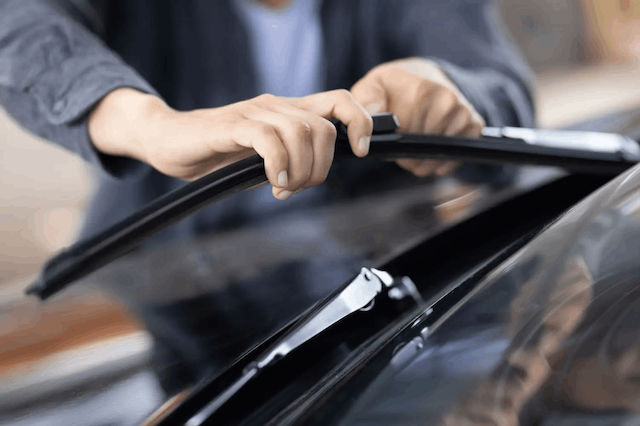
How to Change Your Windshield Wipers Yourself (Step-by-Step Guide)
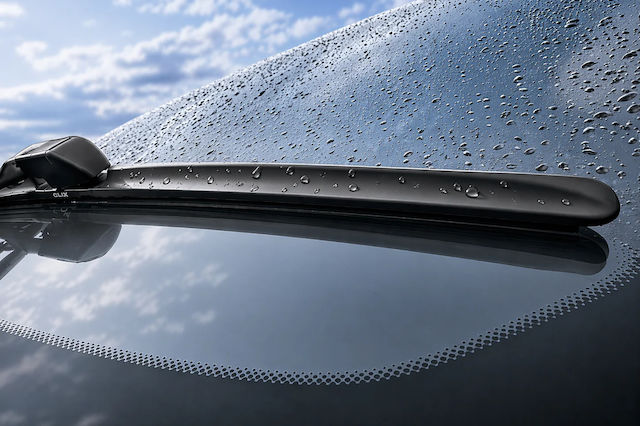
Buying Guide: How to Choose the Right Windshield Wipers

Buying Guide: How to Choose the Right Additive for Your Car

Be the first to leave a comment!