

Buying Guide: How to Choose the Right Windshield Wipers
Good visibility is the most important condition for your safety on the road. A worn pair of windshield wipers not only makes driving in the rain difficult, but can also cause permanent scratches on the windshield.
1. When do they need replacing? (Signs of wear)
Experts recommend replacing them every 1-2 years; however, the hot Greek sun often reduces their lifespan. You should make a purchase immediately if you notice:
- Streaks / Haze: They leave water on the glass like "stripes".
- Squeaking / Noise: The rubber has dried out and is "dragging" with difficulty.
- Skipping: The wiper hits the windshield erratically and leaves uncovered gaps.
- Visible wear: The rubber has torn or detached from the frame.

2. How to choose the right ones (The 3 Steps)
Step 1: Find the correct dimensions
Every car requires a specific length (in millimeters - mm). Usually, the driver’s wiper is noticeably longer than the passenger’s. If you don’t have the vehicle’s manual, the safest way is to measure your old wipers with a tape measure.
Step 2: Check the attachment type (Connection)
Your car’s arm has a specific fitting. The most common attachments are:
- Classic Hook (U-Hook): The most common factory fitting.
- Slide-on (Top Lock): Vertical, slide-on installation.
- Side Clip (Pinch Tab) & With Button (Push Button): Common in newer European models.
- Bayonet & Side Pin: Straight fitting or with a side pin respectively.
- Not sure? Choose a Multi-Clip set. It includes multiple adapters in the package so it fits almost all vehicles.

Step 3: Choose Technology / Design
-
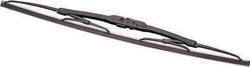 Conventional (Classic)
-
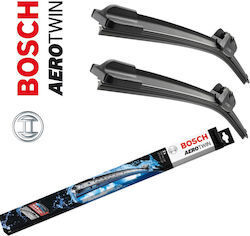 Flexible (Flat)
-
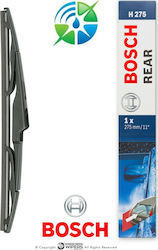 Hybrid
3. The material of the wiper blade matters
Simple natural rubber does an excellent job, but if you're looking for something more premium, choose blades with graphite coating that completely reduce noise and friction. For ultimate resistance to extreme temperatures and sunlight, silicone is the top (but more expensive) choice.

5. Maintenance Tips (For Maximum Lifespan)
A good pair of windshield wipers can last much longer if you treat them properly. Follow these basic rules to avoid premature wear:
Cleaning the blade: Once a month, wipe the wiper rubber with a clean cloth dampened with a little glass cleaner (or alcohol). You’ll see a lot of black dirt come off. This dirt is the main cause of annoying squeaking.
Never on a dry windshield: Operating without using washer fluid puts unnecessary strain on the motor and instantly damages the rubber edge due to increased friction.
Be careful with hard debris: Don’t try to clean dried bird droppings, dry mud, ice, or resin by turning on the wipers. Small stones and the hardness of the debris will immediately create “scratches” on the rubber.
Protection from frost (In Winter): If you park outside and expect frost at night, lift the arms upright. If the rubber sticks to the frozen windshield and you activate it, the blade will tear on the spot.
Correct fluid in the reservoir: Avoid plain tap water (it creates mineral deposits in the nozzles) and especially dish soap, which contains chemicals that dry out the rubber prematurely. Prefer exclusively special windshield washer fluid that protects the system.

6. Frequently Asked Questions (FAQ)
Can I install aerodynamic (Flat) windshield wipers if my car came factory-fitted with conventional (metal) ones?
Yes, absolutely. On the market there are Flat windshield wipers with a "classic hook" (U-Hook) attachment or with adapters (Multi-Clip), which fit perfectly on older vehicles. This way, you can upgrade your car’s aerodynamics and appearance effortlessly.
Should I always replace both front wipers together?
Yes. Exposure to the sun, temperatures, and wear from use affect the rubber on both sides at the same time. Even if one seems to clean slightly better, it is only a matter of weeks before it starts leaving streaks. Replacing them as a set ensures uniform and safe visibility.
Why do my brand-new windshield wipers squeak or leave streaks?
Usually the problem is not with the replacement part, but with the windshield itself. Residues from car wash wax, exhaust fumes, tree resin, or salts create an invisible film on the glass that prevents the rubber from sliding properly. A thorough cleaning of the glass (on the outside) usually solves the problem.
Have you never changed your car’s windshield wipers before? No problem, see here how to change them step by step.
Relevant Articles
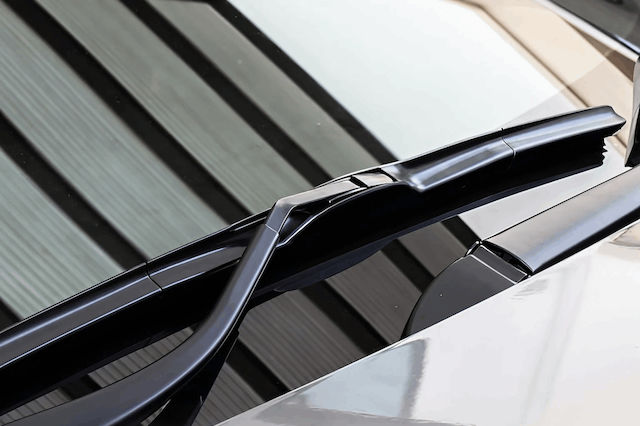
Wiper Blade Design: Conventional, Flat, or Hybrid? A Guide to Choosing the Right One
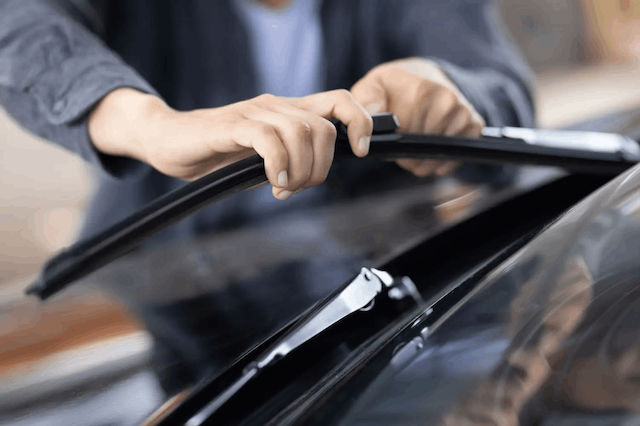
How to Change Your Windshield Wipers Yourself (Step-by-Step Guide)

Buying Guide: How to Choose the Right Additive for Your Car

Be the first to leave a comment!