

Οδηγός Αγοράς: Πώς να επιλέξεις το σωστό πρόσθετο για το αυτοκίνητό σου
Τα πρόσθετα (βελτιωτικά & καθαριστικά) καυσίμου και λαδιού δεν είναι πολυτέλεια, αλλά ένας από τους πιο οικονομικούς τρόπους να προστατεύσεις τον κινητήρα σου, να γλιτώσεις ακριβές επισκευές στο συνεργείο και να κρατήσεις την κατανάλωση χαμηλά.
Με τόσο μεγάλη ποικιλία προϊόντων, η επιλογή μπορεί να φαίνεται δύσκολη. Ακολούθησε τον παρακάτω απλό οδηγό για να βρεις ακριβώς αυτό που χρειάζεται το όχημά σου.

1. Ξεκίνα από τον τύπο του κινητήρα σου
Κάθε κινητήρας έχει διαφορετικές απαιτήσεις. Η χρήση λάθος πρόσθετου μπορεί να μην αποδώσει τα αναμενόμενα ή ακόμα και να προκαλέσει βλάβη:
Πετρελαίου (Diesel): Τα diesel υποφέρουν συχνά από επικαθίσεις άνθρακα στα μπεκ και βουλώματα στο φίλτρο σωματιδίων (DPF), ειδικά αν κινείσαι συχνά μέσα στην πόλη. Ψάξε για ειδικά καθαριστικά DPF, καθαριστικά μπεκ diesel και αντιπαγωτικά για τον χειμώνα.
Βενζίνης: Οι κινητήρες βενζίνης (ειδικά οι νεότεροι άμεσου ψεκασμού Turbo/GDI) μαζεύουν επικαθίσεις στις βαλβίδες και τα μπεκ. Επίλεξε ενισχυτικά οκτανίων και καθαριστικά συστήματος βενζίνης.
Υγραερίου LPG / CNG: Το υγραέριο καίγεται σε υψηλότερες θερμοκρασίες και προσφέρει λιγότερη λίπανση στις βαλβίδες. Εδώ είναι απαραίτητα τα ειδικά προστατευτικά βαλβίδων (υποκατάστατα μολύβδου / Valve Protectors).

2. Πού θα εφαρμόσεις το πρόσθετο;
Ανάλογα με το πρόβλημα ή τη συντήρηση που θέλεις να κάνεις, το υγρό προστίθεται σε συγκεκριμένο σημείο:
Στο Ντεπόζιτο Καυσίμου: Περιλαμβάνει όλα τα καθαριστικά μπεκ, DPF, καταλύτη, βελτιωτικά οκτανίων/κετανίων και αντιπαγωτικά. Ρίχνονται απευθείας στην τάπα πλήρωσης καυσίμου, ιδανικά πριν από ένα γέμισμα.
Στον Κινητήρα / Λάδια: Περιλαμβάνει τα αντιτριβικά (όπως Motorkote, Ceratec), τα βελτιωτικά ιξώδους, τα καθαριστικά εσωτερικού κινητήρα (Engine Flush) και τα στεγανωτικά διαρροών λαδιού.
Στο Ψυγείο: Περιλαμβάνει καθαριστικά κυκλώματος (Radiator Flush) και σφραγιστικά μικροδιαρροών παραφλού.
Στο Σασμάν & Υδραυλικό Τιμόνι: Ειδικά βελτιωτικά βαλβολίνης για πιο γλυκές αλλαγές ταχυτήτων και σφραγιστικά διαρροών για τις τσιμούχες.

3. Ποιο σύμπτωμα ή ανάγκη θέλεις να λύσεις;
«Το αυτοκίνητο "κομπιάζει", έχασε τη δύναμή του ή καίει παραπάνω»
Τι χρειάζεσαι: Καθαριστικό Μπεκ & Συστήματος Καυσίμου.
Τι κάνει: Διαλύει τα κατάλοιπα καυσίμου στους ψεκαστήρες (μπεκ), επαναφέροντας τη σωστή λειτουργία του μοτέρ.
«Άναψε το λαμπάκι DPF στο καντράν (για Diesel)»
Τι χρειάζεσαι: Καθαριστικό DPF
Τι κάνει: Μειώνει τη θερμοκρασία στην οποία καίγεται η αιθάλη στο φίλτρο, βοηθώντας το DPF να αυτοκαθαριστεί ακόμα και σε σύντομες διαδρομές στην πόλη.
«Θέλω να προστατεύσω το μοτέρ από φθορές και θορύβους»
Τι χρειάζεσαι: Αντιτριβικό Λαδιού (Anti-friction).
Τι κάνει: Δημιουργεί ένα εξαιρετικά ανθεκτικό φιλμ προστασίας στα μέταλλα, μειώνοντας τις τριβές, τη θερμοκρασία λειτουργίας και τον θόρυβο.
«Πρόκειται να κάνω αλλαγή λαδιών»
Τι χρειάζεσαι: Καθαριστικό Κινητήρα (Engine Flush).
Τι κάνει: Το προσθέτεις στα παλιά λάδια 10–15 λεπτά πριν την αλλαγή. Αφαιρεί λάσπες και επικαθίσεις, ώστε τα νέα λάδια να μπουν σε πεντακάθαρο μοτέρ.
«Βλέπω μικρή διαρροή υγρών (λάδια ή παραφλού)»
Τι χρειάζεσαι: Σφραγιστικό Διαρροών Ψυγείου ή Σφραγιστικό Διαρροών Λαδιού.
Τι κάνει: Αναζωογονεί τις ξεραμένες τσιμούχες και σφραγίζει μικρές ρωγμές, γλιτώνοντας σε από ακριβές επισκευές.

3. Χρυσοί κανόνες για τη σωστή χρήση
Να τηρείς πάντα τη δοσολογία: Περισσότερο προϊόν δεν σημαίνει καλύτερο αποτέλεσμα. Αν ένα μπουκάλι 250ml αναγράφει ότι καλύπτει έως 60 λίτρα καυσίμου, χρησιμοποίησε το σε πλήρες γέμισμα.
Σωστός συγχρονισμός στο ντεπόζιτο: Ρίξε το πρόσθετο στο ντεπόζιτο ακριβώς πριν βάλεις καύσιμο στο πρατήριο. Έτσι, η ροή της μάνικας θα αναμίξει τέλεια το πρόσθετο με τη βενζίνη ή το diesel.
Η πρόληψη είναι φθηνότερη από τη θεραπεία: Ένα καθαριστικό μπεκ ή DPF κάθε 5.000 – 10.000 χλμ. προλαμβάνει βλάβες εκατοντάδων ευρώ.

Συχνές Ερωτήσεις (FAQ)
Πόσο συχνά πρέπει να χρησιμοποιώ καθαριστικό μπεκ;
Για προληπτική συντήρηση, συνιστάται η χρήση ενός ποιοτικού καθαριστικού κάθε 5.000 έως 10.000 χιλιόμετρα ή πριν από ένα μεγάλο ταξίδι.
Μπορεί ένα πρόσθετο να προκαλέσει βλάβη στον κινητήρα μου;
Όχι, εφόσον χρησιμοποιείτε επώνυμα, πιστοποιημένα προϊόντα και ακολουθείτε πιστά τις οδηγίες χρήσης και τη συνιστώμενη δοσολογία του κατασκευαστή.
Ποια είναι η διαφορά μεταξύ 150ml, 250ml και 1L;
Τα μικρότερα μπουκάλια (150ml - 300ml) είναι σχεδιασμένα για μία μεμονωμένη χρήση σε επιβατικά αυτοκίνητα. Οι συσκευασίες του 1 Λίτρου ή παραπάνω απευθύνονται είτε σε επαγγελματίες (συνεργεία/στόλους), είτε διαθέτουν ειδικό δοσομετρητή για πολλαπλές χρήσεις.
Σχετικά Άρθρα
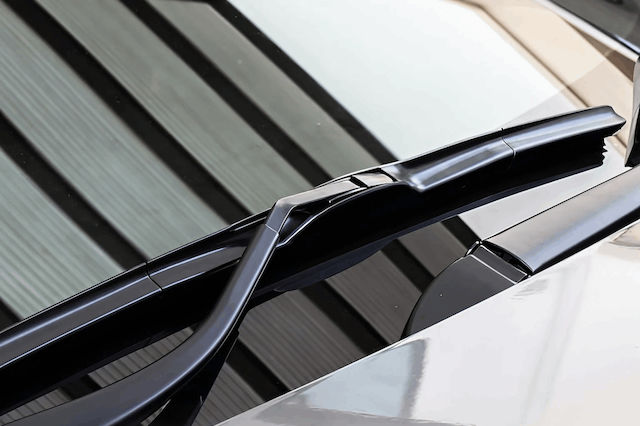
Σχεδιασμός υαλοκαθαριστήρων: Συμβατικοί, Flat ή Υβριδικοί; Οδηγός για τη σωστή επιλογή
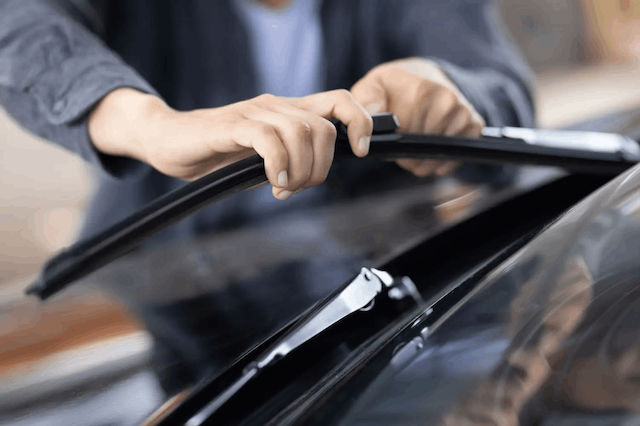
Πώς να αλλάξεις υαλοκαθαριστήρες μόνος σου (Οδηγός Βήμα-Βήμα)
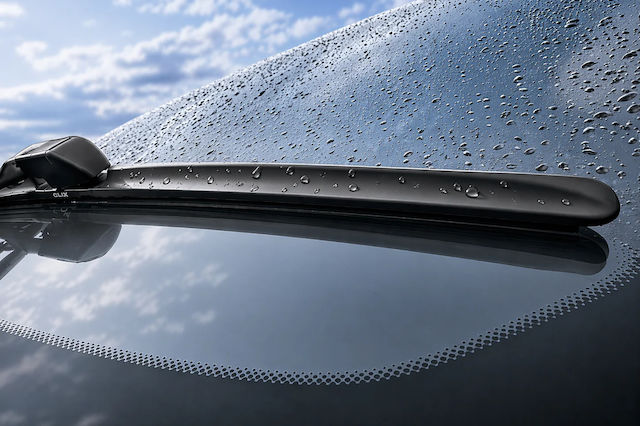
Οδηγός Αγοράς: Πώς να επιλέξεις τους σωστούς υαλοκαθαριστήρες

Άφησε πρώτος το σχόλιό σου!