

Οδηγός Αγοράς: Πώς να επιλέξεις τις ιδανικές Πλαϊνές Βαλίτσες Μοτοσυκλέτας
Ετοιμάζεσαι για το επόμενο μεγάλο roadtrip, ή απλώς κουράστηκες να κουβαλάς το σακίδιο στην πλάτη κάθε φορά που πηγαίνεις στη δουλειά; Η προσθήκη πλαϊνών βαλιτσών στη μοτοσυκλέτα σου είναι μια επένδυση που αλλάζει εντελώς την εμπειρία οδήγησης και ταξιδιού.
Επειδή όμως οι επιλογές στην αγορά είναι άπειρες και τα τεχνικά χαρακτηριστικά μπορεί να σε μπερδέψουν, αυτός ο οδηγός είναι εδώ για να σε βοηθήσει να βρεις ακριβώς αυτό που χρειάζεσαι. Ας δούμε βήμα-βήμα τι πρέπει να προσέξεις.
1. Σκληρές Βαλίτσες ή Μαλακά Σαμάρια;
Αυτό είναι το πρώτο και σημαντικότερο δίλημμα. Η επιλογή εξαρτάται κυρίως από τον τύπο της μοτοσυκλέτας σου και τη χρήση που σκοπεύεις να κάνεις.
- Σκληρές Βαλίτσες (Πλαστικές): Ιδανικές για Street, Sport Touring και On-Off μοτοσυκλέτες. Προσφέρουν αεροδυναμικό σχήμα, κομψή εμφάνιση και συνήθως είναι 100% αδιάβροχες. Κλειδώνουν με ασφάλεια, οπότε μπορείς να αφήσεις τα πράγματά σου στη μηχανή χωρίς άγχος.
- Σκληρές Βαλίτσες (Αλουμινίου): Ο "βασιλιάς" των Adventure μοτοσυκλετών. Είναι εξαιρετικά ανθεκτικές, χωράνε πολλά πράγματα χάρη στο τετραγωνισμένο σχήμα τους και προσφέρουν top-loading (άνοιγμα από πάνω), που βολεύει πολύ στο πακετάρισμα. Μειονέκτημα: Είναι πιο βαριές και αυξάνουν αρκετά το πλάτος της μηχανής.
- Μαλακά Σαμάρια (Υφασμάτινα/Δερμάτινα/Drybags): Εξαιρετική επιλογή αν κάνεις Off-Road/Enduro (σε ενδεχόμενη πτώση δεν σπάνε και δεν θα τραυματίσουν το πόδι σου). Είναι πολύ πιο ελαφριά, συνήθως πιο οικονομικά και κάποιες φορές δεν απαιτούν καν ειδικά κάγκελα για να τοποθετηθούν. Μειονέκτημα: Υστερούν στην ασφάλεια έναντι κλοπής.
2. Χωρητικότητα και Μέγεθος
Πόσα λίτρα πραγματικά χρειάζεσαι;
- Για καθημερινή χρήση & μικρά ταξίδια: Βαλίτσες από 20 έως 30 λίτρα ανά πλευρά είναι υπεραρκετές και δεν προσθέτουν υπερβολικό όγκο στο πίσω μέρος.
- Για μεγάλα ταξίδια (και δικάβαλο): Θα χρειαστείς βαλίτσες από 35 έως 45+ λίτρα.
Προσοχή στην Εξάτμιση: Αν η εξάτμιση της μοτοσυκλέτας σου βγαίνει ψηλά στο πλάι, ίσως χρειαστεί να επιλέξεις "ασύμμετρο" σετ (π.χ. 45 λίτρα από την ελεύθερη πλευρά και 37 λίτρα από την πλευρά της εξάτμισης) ή βαλίτσα με ειδικό "κόψιμο", ώστε να διατηρηθεί η ισορροπία και η συμμετρία της μηχανής.
3. Βάσεις Στήριξης (Κάγκελα)
Ένα συχνό λάθος που κάνουν οι νέοι αναβάτες είναι να ξεχνούν ότι οι σκληρές βαλίτσες χρειάζονται ειδικά κάγκελα στηρίγματος, τα οποία συνήθως πωλούνται ξεχωριστά!
- Ειδικές για το μοντέλο σου: Πριν αγοράσεις βαλίτσες, βεβαιώσου ότι υπάρχουν συμβατές βάσεις για τη δική σου μοτοσυκλέτα (μάρκα, μοντέλο και χρονολογία).
- Σύστημα Κλειδώματος: Συστήματα όπως το Monokey της GIVI επιτρέπουν το κλείδωμα της βαλίτσας στη βάση και το άνοιγμα του καπακιού με το ίδιο κλειδί. Έλεγξε πάντα αν η βαλίτσα που διάλεξες ταιριάζει με τον τύπο της βάσης που θα αγοράσεις (π.χ. PL, PLX, CAM-Side).
4. Πρακτικότητα και "Έξυπνα" Χαρακτηριστικά
Μικρές λεπτομέρειες μπορούν να κάνουν μεγάλη διαφορά στην ευκολία σου:
- Εσωτερικοί Σάκοι: Πωλούνται συχνά ως έξτρα. Σου επιτρέπουν να βγάζεις τα ρούχα σου με μία κίνηση και να τα παίρνεις στο ξενοδοχείο ή στη σκηνή, αφήνοντας τις βαλίτσες (που ίσως είναι λερωμένες με λάσπες) κουμπωμένες στη μηχανή.
- Σύστημα Quick-Release στις βάσεις: Κάποιες εταιρείες βγάζουν κάγκελα που αφαιρούνται με ειδικό κλειδί μέσα σε λίγα δευτερόλεπτα. Αν δεν σου αρέσει να βλέπεις τα σίδερα όταν δεν έχεις βαλίτσες, αυτό είναι σωτήριο.
- Αδιαβροχοποίηση: Αν πας σε μαλακά σαμάρια, δες αν διαθέτουν εσωτερικό αδιάβροχο liner (σαν drybag) ή αν χρειάζονται εξωτερική κουκούλα.
Συνοψίζοντας: Για να κάνεις την καλύτερη επιλογή, σκέψου πρώτα πού θα ταξιδέψεις (άσφαλτο ή χώμα) και τι θα μεταφέρεις.
Σχετικά Άρθρα

Οδηγός αγοράς για Μπαγκαζιέρες Μοτοσυκλέτας
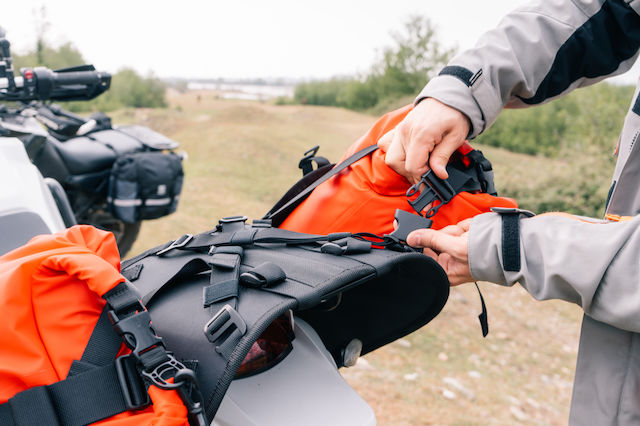
Πώς να επιλέξεις τον κατάλληλο σάκο μοτοσυκλέτας για τις ανάγκες σου
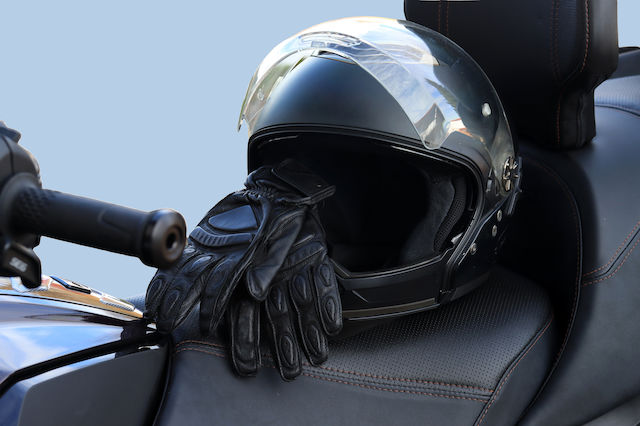
Οδηγός Αγοράς: Πώς να επιλέξεις τα κατάλληλα προστατευτικά μοτοσυκλέτας
Άφησε πρώτος το σχόλιό σου!