

Οδηγός Αγοράς: Πώς να επιλέξεις το κατάλληλο Λιπαντικό Μοτοσυκλέτας
Η επιλογή του σωστού λαδιού για τη μηχανή, το scooter ή το παπί σου είναι το πιο σημαντικό βήμα για τη λειτουργία του κινητήρα σου. Με τόσες επιλογές και χαρακτηριστικά, η επιλογή μπορεί να φαντάζει δύσκολη. Ο οδηγός αυτός θα σε βοηθήσει να βρεις ακριβώς αυτό που χρειάζεσαι με απλά βήματα.
1ο Βήμα: Επιλογή με βάση το Είδος του Κινητήρα
Πριν κοιτάξεις οτιδήποτε άλλο, πρέπει να επιλέξεις το λάδι που ταιριάζει με τη φύση του κινητήρα και του οχήματός σου:
- Λάδι 4T (Τετράχρονοι κινητήρες): Αφορά τη συντριπτική πλειοψηφία των σύγχρονων μοτοσυκλετών, scooter και παπιών.
- Λάδι 2T (Δίχρονοι κινητήρες): Για παλαιότερα μηχανάκια, ορισμένα καθαρόαιμα enduro ή μικρά scooters 50cc. Αυτά τα λάδια καίγονται μαζί με το καύσιμο.
- Βαλβολίνες: Είναι ειδικά, πιο παχύρευστα λιπαντικά που προορίζονται αποκλειστικά για το κιβώτιο ταχυτήτων (σασμάν) ή το διαφορικό (π.χ. σε μεγάλα scooter ή μοτοσυκλέτες με άξονα).
- Αναρτήσεων: Εξειδικευμένα υγρά που μπαίνουν αποκλειστικά μέσα στα πιρούνια (αναρτήσεις) της μηχανής για τη σωστή απόσβεση των κραδασμών.
2ο Βήμα: Κατανόηση του Ιξώδους
Το ιξώδες δείχνει πόσο «λεπτόρευστο» ή «παχύρεστο» είναι ένα λάδι. Οι αριθμοί αυτοί (π.χ. 10W-40) ακολουθούν το πρότυπο SAE:
- Ο πρώτος αριθμός (μαζί με το W - Winter) δείχνει τη ρευστότητα σε χαμηλές θερμοκρασίες (εκκίνηση το πρωί).
- Ο δεύτερος αριθμός δείχνει τη σταθερότητα του λαδιού στις υψηλές θερμοκρασίες του κινητήρα.
Τα πιο δημοφιλή ιξώδη στην ελληνική αγορά:
- 10W-40: Το πιο κοινό και «πασπαρτού» λάδι για τα περισσότερα σύγχρονα παπιά, scooter και μοτοσυκλέτες (ιδανικό για καθημερινή χρήση).
- 15W-50 & 20W-50: Πιο «παχύρευστα» λάδια, ιδανικά για το ελληνικό καλοκαίρι, για παλαιότερους αερόψυκτους κινητήρες ή μοτοσυκλέτες που τείνουν να «καινε» λίγο λάδι.
- 10W-50 & 10W-60: Premium επιλογές για κινητήρες υψηλών επιδόσεων που δουλεύουν σε πολύ υψηλές στροφές και θερμοκρασίες.
- 5W-40 & 10W-30: Πιο λεπτόρρευστα λάδια, τα οποία προτείνουν πολλοί σύγχρονοι κατασκευαστές (π.χ. η Honda για τα νέα της scooter) με στόχο τη μείωση της κατανάλωσης καυσίμου.
- 80W-90: Τυπικό ιξώδες που αφορά σχεδόν αποκλειστικά βαλβολίνες για το σασμάν ή τη μετάδοση των scooter.
3ο Βήμα: Επιλογή Τύπου Λιπαντικού
Ανάλογα με τη σύσταση και την επεξεργασία του, το λάδι χωρίζεται σε τρεις κατηγορίες:
- Συνθετικά: Τα κορυφαία λάδια της αγοράς. Προσφέρουν τη μέγιστη δυνατή προστασία, αντέχουν σε ακραίες θερμοκρασίες και διατηρούν τις ιδιότητές τους για περισσότερα χιλιόμετρα. Ιδανικά για σύγχρονες, μεγάλες ή σπορ μοτοσυκλέτες.
- Ημισυνθετικά: Μια εξαιρετική short-and-sweet λύση value for money. Συνδυάζουν τη σταθερότητα των συνθετικών με το χαμηλότερο κόστος των ορυκτέλαιων. Ιδανικά για καθημερινά scooters και παπιά.
- Ορυκτέλαια: Φυσικά λάδια με τη λιγότερη επεξεργασία. Χρησιμοποιούνται κυρίως σε κλασικές/παλιές μοτοσυκλέτες, σε ορισμένους μεγάλους low-revving κινητήρες (π.χ. cruiser) ή κατά τη διάρκεια του στρωσίματος ενός νέου κινητήρα.
4o Βήμα: Διεθνείς Προδιαγραφές (Τι πρέπει να προσέξεις)
Αν ανοίξεις το manual του κατασκευαστή σου, θα δεις να ζητάει κάποιες συγκεκριμένες προδιαγραφές. Οι τρεις πιο σημαντικές είναι:
➡ JASO (Japanese Automotive Standards Organization)
Η πιο κρίσιμη προδιαγραφή για δίκυκλα! Διαχωρίζει τα λάδια με βάση το αν το όχημα έχει υγρό συμπλέκτη ή όχι.
- JASO MA / MA2: Κατάλληλο για μοτοσυκλέτες και παπιά με υγρό συμπλέκτη (όπου τα λάδια του κινητήρα λιπαίνουν και το σασμάν). Αποτρέπει το πατινάρισμα.
- JASO MB: Κατάλληλο αποκλειστικά για Scooters. Τα scooters έχουν ξηρό συμπλέκτη (φυγοκεντρικό), οπότε το λάδι λιπαίνει μόνο τον κινητήρα και περιέχει ειδικά πρόσθετα για μείωση των τριβών. Προσοχή: Μην βάζεις MB λάδι σε μηχανή με ταχύτητες!
➡ API (American Petroleum Institute)
Δείχνει το επίπεδο ποιότητας του λαδιού για τετράχρονους κινητήρες. Αποτελείται από το γράμμα S (Spark Ignition) ακολουθούμενο από ένα άλλο γράμμα (π.χ. API SN, SM, SL). Όσο πιο προχωρημένο είναι το δεύτερο γράμμα στην αλφάβητο, τόσο πιο σύγχρονο και ποιοτικό είναι το λάδι.
➡ ISO (International Organization for Standardization)
Αφορά κυρίως τους δίχρονους (2T) κινητήρες. Θα δεις προδιαγραφές όπως ISO-L-EGD, οι οποίες πιστοποιούν το πόσο καθαρά καίγεται το λάδι και πόσο καπνό παράγει.
5ο Βήμα: Χωρητικότητα (Πόσο λάδι χρειάζεσαι;)
Πριν αγοράσεις, τσέκαρε την ποσότητα που χωράει το μοτέρ σου (με ή χωρίς αλλαγή φίλτρου):
- 1 lt: Η κλασική συσκευασία. Τα περισσότερα παπιά και μικρά scooter χρειάζονται λιγότερο ή ακριβώς 1 λίτρο.
- 4 lt / 5 lt και άνω: Οικονομικές συσκευασίες (frequent buying), ιδανικές για μεγάλες μοτοσυκλέτες που χρειάζονται από 2.5 έως 4 λίτρα σε κάθε αλλαγή, ή για αναβάτες που θέλουν να στοκάρουν λάδι για μελλοντικά services.
Premium Brands
Η επιλογή μάρκας συχνά έχει να κάνει με την εμπιστοσύνη του αναβάτη, αλλά μερικά από τα κορυφαία ονόματα είναι:
- Motul: Ίσως το πιο αναγνωρίσιμο brand στην Ελλάδα (με τη θρυλική σειρά 5100 και 7100).
- Castrol: Εγγύηση ποιότητας με τεράστια παράδοση στους αγώνες (σειρά Power 1).
- Liqui Moly & Amsoil: Premium κατασκευαστές με έμφαση στα κορυφαία πρόσθετα και την απόλυτη προστασία.
- Ipone: Εξειδικευμένο γαλλικό brand αποκλειστικά για δίκυκλα, πολύ δημοφιλές σε rollers και παπιά.
- Bel-Ray & Motorex: Brands με τεράστια εξειδίκευση σε off-road (Enduro/Motocross) αλλά και street μοτοσυκλέτες.
- Cyclon: Μια εξαιρετική και αξιόπιστη ελληνική/value-for-money επιλογή για καθημερινή χρήση.
Smart Tip: Πριν πατήσεις «Προσθήκη στο καλάθι», συμβουλέψου πάντα το βιβλιαράκι (Manual) του κατασκευαστή της δικής σου μοτοσυκλέτας για το ακριβές ιξώδες και την προδιαγραφή JASO/API που απαιτείται.
Σχετικά Άρθρα
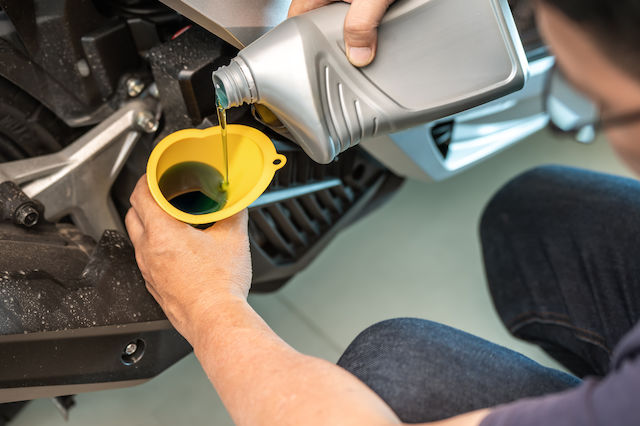
Τα καλύτερα Λιπαντικά Μηχανής
Εσύ τι τακάκια θα βάλεις στην μηχανή σου;

Οδηγός Αγοράς για Βάσεις GPS & Κινητών Μηχανής

Άφησε πρώτος το σχόλιό σου!