

Buying Guide for Creatines
Ready to take your workouts to the next level? If you’re looking for the number one supplement that has been studied more than any other and delivers on its promises for physical performance and support in high-intensity training, then you’re in the right place.
Here is the ultimate guide to learn everything about creatine and make the best choice.
1. What is Creatine?
It is a natural compound (amino acid) that is already synthesized in your body and is also found in foods such as red meat and fish. Your body stores it mainly in your muscles in the form of phosphocreatine.
There it acts like a "battery" to support energy production (ATP) during demanding and explosive exercises (such as weights or sprints).
2. What are its Benefits?
According to the European Food Safety Authority (EFSA), creatine offers the following:
Increase in physical performance: It improves performance in successive repetitions of short, high-intensity exercise. You’ll feel like you can squeeze out those 1-2 extra reps in your heavy sets.
Support for Muscle Strength: It helps you maintain your strength and explosiveness at maximum levels.
More "full" muscles (Intracellular hydration): Creatine retains water inside your muscle cells. This means your muscles appear fuller.
(To achieve the beneficial effects, a daily intake of 3g of creatine is required).

3. How to take Creatine?
There are two popular ways to start:
Method A: "Loading"
- What you do: You take 20 grams per day (split into 4 doses of 5g) for 5-7 days
- Maintenance: After day 7, you move into the maintenance phase with 3-5 grams once a day
Method B: Without "Loading"
- What you do: You consistently take 3-5 grams every day from day one.
Note: It will take about 3-4 weeks for your muscle stores to become fully saturated, but the process is simpler.
Tip: Creatine requires consistency. You need to take it even on days when you do not train. The time you take it does not matter much, but if you add it to your post-workout shake along with carbohydrates and protein, it will be absorbed even better.
4. Types and forms of Creatine: Which one should you choose?
On store shelves you will find various forms. The most well-known are the following:
A. Creatine Monohydrate (Creatine Monohydrate)
It is the "king" of supplements, with the vast majority of research based on it. It is reliable and effective.
Micronized:
This means that the powder has been processed so that its particles are much smaller, offering excellent solubility in water and a light texture.
Monohydrate


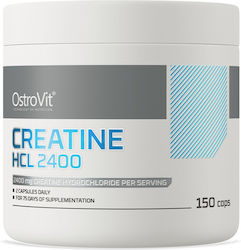
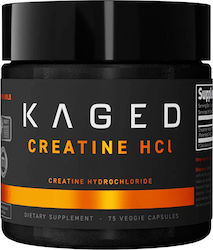
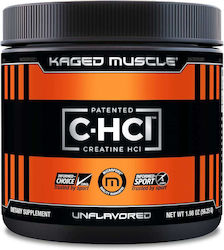
B. Creatine HCL (Hydrochloride)
Here the creatine is bound to hydrochloric acid. It has very high solubility in water and is an excellent, more advanced alternative for those looking for something different from monohydrate, usually with a smaller required dosage (about 1-2 grams).
Hydrochloride (HCL)


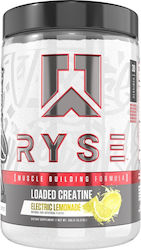
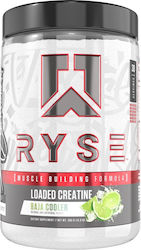

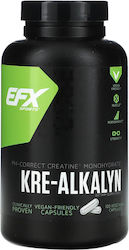
G. Buffered Creatine (Kre-Alkalyn)
This is a creatine with an adjusted (more alkaline) pH. It is designed to remain stable in the stomach environment.
Kre-Alkalyn


D. Other forms (Nitrate, Ethyl Ester, etc.)
These are alternative forms available on the market, offering different absorption rates or combinations with other molecules; however, monohydrate remains the reference standard.
5. Forms of Creatine
A. Powder: The most VFM (Value for Money) option. You can adjust the dose precisely. Mixes with protein or carbohydrates.
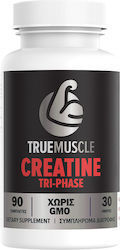
B. Capsules: Great convenience for transport. Practical for work or travel, without noticing taste or texture.
C. Tablets: Similar convenience to capsules, compressed into a solid form.
D. Chewable: The new trend. A "gummy" form with a pleasant taste, practical for consumption without water.
-
 Powder
-
 Capsules
-
 Tablets
-
 Chewable


6. Basic quality features (What to look for on the label)
When you hold the box in your hands, check the following quality features:
- The "Creapure®" seal: This is a patented creatine monohydrate produced in Germany. It is distinguished by its exceptionally high purity (99.99%).
- Flavored or Unflavored: Unflavored is easy to add anywhere without altering your drink. Flavored is pleasant to drink on its own with water.
Food supplements do not substitute a varied and balanced diet. Keep out of reach of young children. Do not exceed the recommended daily dose. Consult your doctor if you are pregnant, breastfeeding, under medication, or have health problems.»
Creatine products may require an EOF Notification Number. Check the packaging of each product.
Relevant Articles

Dietary supplements for health, wellness and beauty

Buying Guide: What Are Fat Burners and What to Look Out for Before You Buy
What are probiotics and how do they benefit the body?

Be the first to leave a comment!