

Οδηγός αγοράς για Κρεατίνες
Έτοιμος να απογειώσεις τις προπονήσεις σου; Αν ψάχνεις το νούμερο ένα συμπλήρωμα που έχει μελετηθεί όσο κανένα άλλο και κρατάει τις υποσχέσεις του για σωματική επίδοση και ενίσχυση στις προπονήσεις υψηλής έντασης, τότε είσαι στο σωστό μέρος.
Εδώ είναι ο απόλυτος οδηγός για να μάθεις τα πάντα για την κρεατίνη και να κάνεις την καλύτερη επιλογή.
1. Τι είναι η Κρεατίνη;
Είναι μια φυσική ένωση (αμινοξύ) που συντίθεται ήδη στο σώμα σου και τη βρίσκεις επίσης σε τροφές όπως το κόκκινο κρέας και τα ψάρια. Το σώμα σου την αποθηκεύει κυρίως στους μυς σου με τη μορφή φωσφοκρεατίνης.
Εκεί λειτουργεί σαν μια "μπαταρία" για να υποστηρίξει την παραγωγή ενέργειας (ATP) κατά τη διάρκεια απαιτητικών και εκρηκτικών ασκήσεων (όπως τα βάρη ή τα σπριντ).
2. Ποια είναι τα Οφέλη της;
Σύμφωνα με την Ευρωπαϊκή Αρχή για την Ασφάλεια των Τροφίμων (EFSA), η κρεατίνη προσφέρει τα εξής:
Αύξηση σωματικής επίδοσης: Βελτιώνει την απόδοση σε διαδοχικές επαναλήψεις σύντομης, υψηλής έντασης άσκησης. Θα νιώσεις ότι μπορείς να βγάλεις εκείνη την 1-2 επιπλέον επαναλήψεις στα βαριά σου σετ.
Υποστήριξη Μυϊκής Ισχύος: Σε βοηθά να διατηρήσεις τη δύναμη και την εκρηκτικότητά σου στα μέγιστα επίπεδα.
Πιο "γεμάτοι" μύες (Ενδοκυτταρική ενυδάτωση): Η κρεατίνη συγκρατεί νερό μέσα στα μυϊκά σου κύτταρα. Αυτό σημαίνει ότι οι μύες σου αποκτούν πιο γεμάτη όψη.
(Για να επιτευχθούν τα ευεργετικά αποτελέσματα, απαιτείται ημερήσια πρόσληψη 3g κρεατίνης).

3. Πώς να παίρνεις Κρεατίνη;
Υπάρχουν δύο δημοφιλείς δρόμοι για να ξεκινήσεις:
Μέθοδος Α: "Με φόρτωμα"
- Τι κάνεις: Λαμβάνεις 20 γραμμάρια την ημέρα (χωρισμένα σε 4 δόσεις των 5g) για 5-7 ημέρες
- Συντήρηση: Μετά την 7η μέρα, περνάς στη φάση συντήρησης με 3-5 γραμμάρια μία φορά την ημέρα
Μέθοδος Β: Χωρίς "Φόρτωμα"
- Τι κάνεις: Λαμβάνεις σταθερά 3-5 γραμμάρια κάθε μέρα από την πρώτη μέρα.
Σημείωση: Θα χρειαστούν περίπου 3-4 εβδομάδες για να κορεστούν πλήρως οι αποθήκες των μυών σου, αλλά η διαδικασία είναι πιο απλή.
Tip: Η κρεατίνη θέλει συνέπεια. Πρέπει να την παίρνεις και τις ημέρες που δεν έχεις προπόνηση. Η ώρα που θα τη πάρεις δεν παίζει τεράστιο ρόλο, αλλά αν τη βάλεις στο μεταπροπονητικό σου σέικ μαζί με υδατάνθρακες και πρωτεΐνη, θα απορροφηθεί ακόμα καλύτερα.
4. Τύποι και είδη Κρεατίνης: Ποιον να διαλέξεις;
Στα ράφια των καταστημάτων θα βρεις διάφορες μορφές. Οι πιο γνωστές είναι οι εξής:
Α. Μονοϋδρική Κρεατίνη (Creatine Monohydrate)
Είναι ο "βασιλιάς" των συμπληρωμάτων, με τη συντριπτική πλειονότητα των ερευνών να βασίζεται σε αυτή. Είναι αξιόπιστη και αποτελεσματική.
Micronized:
Σημαίνει ότι η σκόνη έχει υποστεί επεξεργασία ώστε οι κόκκοι της να είναι πολύ μικρότεροι, προσφέροντας εξαιρετική διαλυτότητα στο νερό και ελαφριά υφή.
Monohydrate


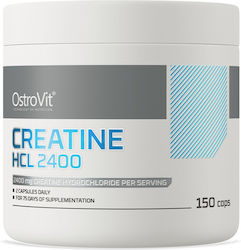
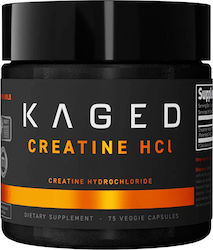
Β. Κρεατίνη HCL (Υδροχλωρική)
Εδώ η κρεατίνη είναι δεμένη με υδροχλωρικό οξύ. Έχει πολύ υψηλή διαλυτότητα στο νερό και αποτελεί μια εξαιρετική, πιο προηγμένη εναλλακτική για όσους αναζητούν κάτι διαφορετικό από τη μονοϋδρική, συνήθως με μικρότερη απαιτούμενη δοσολογία (περίπου 1-2 γραμμάρια).
Hydrochloride (HCL)


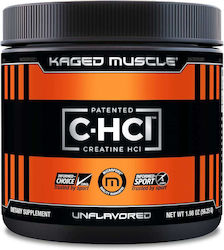
Γ. Buffered Κρεατίνη (Kre-Alkalyn)
Πρόκειται για κρεατίνη με προσαρμοσμένο (πιο αλκαλικό) pH. Είναι σχεδιασμένη ώστε να παραμένει σταθερή στο περιβάλλον του στομάχου.
Kre-Alkalyn


Δ. Άλλες μορφές (Nitrate, Ethyl Ester, κλπ.)
Πρόκειται για εναλλακτικές μορφές που κυκλοφορούν στην αγορά προσφέροντας διαφορετικούς ρυθμούς απορρόφησης ή συνδυασμό με άλλα μόρια, ωστόσο η μονοϋδρική παραμένει η βάση αναφοράς.
5. Μορφές Κρεατίνης
Α. Σκόνη: Η πιο VFM (Value for Money) επιλογή. Ρυθμίζεις τη δόση με ακρίβεια. Ανακατεύεται με πρωτεΐνη ή υδατάνθρακα.
Β. Κάψουλες: Τεράστια ευκολία στη μεταφορά. Πρακτικές για τη δουλειά ή τα ταξίδια, χωρίς να αντιλαμβάνεσαι γεύση ή υφή.
Γ. Ταμπλέτες: Παρόμοια ευκολία με τις κάψουλες, συμπιεσμένες σε στερεή μορφή.
Δ. Μασώμενη: Η νέα τάση. Μορφή "ζελεδάκι" με ευχάριστη γεύση, πρακτική για κατανάλωση χωρίς νερό.
-
 Σκόνη
Σκόνη
-
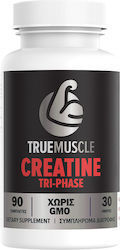 Κάψουλες
-
 Ταμπλέτες
-
 Μασώμενη


6. Βασικά χαρακτηριστικά ποιότητας (Τι να προσέξεις στην ετικέτα)
Όταν κρατάς το κουτί στα χέρια σου, τσέκαρε τα εξής ποιοτικά χαρακτηριστικά:
- Η σφραγίδα "Creapure®": Πρόκειται για πατενταρισμένη μονοϋδρική κρεατίνη που παράγεται στη Γερμανία. Διακρίνεται για την εξαιρετικά υψηλή της καθαρότητα (99.99%).
- Flavored (Με γεύση) ή Unflavored (Χωρίς γεύση): Η unflavored (χωρίς γεύση) προστίθεται εύκολα παντού χωρίς να αλλοιώνει το ρόφημά σου. Η flavored (με γεύση) πίνεται ευχάριστα σκέτη με νερό.
Τα συμπληρώματα διατροφής δεν υποκαθιστούν μια ποικίλη και ισορροπημένη διατροφή. Να φυλάσσονται μακριά από μικρά παιδιά. Μην υπερβαίνετε τη συνιστώμενη ημερήσια δόση. Συμβουλευτείτε τον γιατρό σας αν είστε έγκυος, θηλάζετε, βρίσκεστε υπό φαρμακευτική αγωγή ή αντιμετωπίζετε προβλήματα υγείας.»
Τα προϊόντα κρεατίνης ενδέχεται να απαιτούν Αριθμό Γνωστοποίησης ΕΟΦ. Ελέγξτε τη συσκευασία του εκάστοτε προϊόντος.
Σχετικά Άρθρα

Συμπληρώματα διατροφής για υγεία, ευεξία κι ομορφιά
Οδηγός Αγοράς: Τι είναι οι Λιποδιαλύτες και τι να προσέξεις πριν αγοράσεις
Τι είναι τα προβιοτικά και που βοηθούν στον οργανισμό;

Άφησε πρώτος το σχόλιό σου!