

Οδηγός αγοράς φορητών ψυγείων
Το καλοκαίρι πλησιάζει, οι εξορμήσεις ξεκινούν και το τελευταίο πράγμα που θέλεις στην παραλία, στο κάμπινγκ ή στο ταξίδι είναι να πίνεις ζεστό νερό και να χαλάνε τα τρόφιμά σου. Ένα φορητό ψυγείο είναι η καλύτερη επένδυση για την άνεσή σου.
Τα Παθητικά Ψυγεία (Τα κλασικά, με πάγο)
Είναι τα γνωστά πλαστικά ή υφασμάτινα ψυγειάκια που δεν μπαίνουν σε καμία πρίζα. Για να δουλέψουν, πρέπει να βάλεις μέσα πάγο, παγοκύστες ή παγωμένα μπουκάλια νερό.
Πώς λειτουργούν: Βασίζονται αποκλειστικά στη χοντρή τους μόνωση για να κρατήσουν το κρύο μέσα και τη ζέστη έξω.
Θετικά: Είναι πολύ οικονομικά, ελαφριά, δεν χαλάνε ποτέ και δεν χρειάζονται ρεύμα.
Αρνητικά: Ο πάγος κάποια στιγμή λιώνει (συνήθως σε 12 - 48 ώρες ανάλογα με την ποιότητα), τα πράγματα μπορεί να βραχούν από τα νερά και ο πάγος πιάνει πολύτιμο χώρο.
Για ποιον είναι: Ιδανικά για μονοήμερες εκδρομές, για την παραλία, το πικνίκ ή για ένα Σαββατοκύριακο.
Τα Θερμοηλεκτρικά Ψυγεία (Ηλεκτρικά - 12V / 230V)
Αυτά τα ψυγεία μπαίνουν στην πρίζα: είτε στον αναπτήρα του αυτοκινήτου (12V) είτε στην κανονική πρίζα του σπιτιού/κάμπινγκ (230V).
Πώς λειτουργούν: Προσοχή, αυτά τα ψυγεία δεν παράγουν ψύξη όπως το ψυγείο του σπιτιού σου. Απλώς διατηρούν το εσωτερικό τους περίπου 15 με 18 βαθμούς Κελσίου κάτω από τη θερμοκρασία που έχει το περιβάλλον.
Θετικά: Είναι σχετικά οικονομικά, ελαφριά και κρατάνε τα πράγματα δροσερά για όσο διάστημα είναι στην πρίζα.
Αρνητικά: Αν έξω έχει καύσωνα (π.χ. 40°C), το ψυγείο μέσα θα έχει περίπου 22-25°C, οπότε το νερό σου δεν θα είναι παγωμένο και τα ευαίσθητα τρόφιμα (κρέατα, γαλακτοκομικά) μπορεί να χαλάσουν.
Για ποιον είναι: Ιδανικά για το ταξίδι με το αυτοκίνητο (να έχεις δροσερά πράγματα στη διαδρομή) ή για χρήση σε περιοχές που δεν έχει υπερβολική ζέστη.
Τα Ψυγεία με Συμπιεστή (Τα "αληθινά" ψυγεία)
Αυτά είναι οι «βασιλιάδες» της κατηγορίας. Λειτουργούν ακριβώς όπως το κανονικό ψυγείο που έχεις στην κουζίνα σου.
Πώς λειτουργούν: Έχουν ένα μικρό μοτέρ (συμπιεστή) και παράγουν πραγματική ψύξη. Μπορείς να ρυθμίσεις την ακριβή θερμοκρασία που θες (π.χ. 4°C) ή ακόμα και να τα μετατρέψεις σε κατάψυξη (έως -20°C), ανεξάρτητα από το πόση ζέστη κάνει έξω.
Θετικά: Απόλυτη ψύξη, δεν χρειάζονται καθόλου πάγο, μπορείς να βάλεις μέσα ό,τι θες χωρίς να φοβάσαι μήπως χαλάσει. Τα σύγχρονα μοντέλα είναι εντελώς αθόρυβα.
Αρνητικά: Είναι πιο βαριά και αρκετά πιο ακριβά από τις άλλες κατηγορίες.
Για ποιον είναι: Ιδανικά για όσους κάνουν πολυήμερο κάμπινγκ, ελεύθερο κάμπινγκ, ταξίδια με τροχόσπιτο ή σκάφος, και θέλουν την άνεση του σπιτιού τους.
Χωρητικότητα (Πόσα λίτρα χρειάζεσαι;)
10 - 20 Λίτρα: Μικρό. Χωράει μερικά κουτάκια αναψυκτικά, νερά και 2-3 σάντουιτς. Ιδανικό για ένα ζευγάρι στην παραλία.
25 - 40 Λίτρα: Μεσαίο. Το πιο δημοφιλές μέγεθος. Χωράει τα απαραίτητα για μια παρέα ή μια οικογένεια για ένα Σαββατοκύριακο.
50+ Λίτρα: Μεγάλο. Για πολυήμερες διακοπές και μεγάλες παρέες. Προσοχή όμως, πιάνει πολύ χώρο στο πορτ-μπαγκάζ!
Η Νέα Ενεργειακή Κλάση (Για τα ηλεκτρικά)
Ξέχνα τις παλιές ενδείξεις τύπου "Α+++". Πλέον, η Ευρωπαϊκή Ένωση χρησιμοποιεί μια καθαρή κλίμακα από το A έως το G. Το A είναι το πιο οικονομικό σε ρεύμα και το G το πιο ενεργοβόρο. Προτίμησε ένα ψυγείο με όσο το δυνατόν καλύτερη βαθμολογία για να μην σου αδειάζει γρήγορα τις μπαταρίες.
Διαστάσεις και Βάρος
Πριν το αγοράσεις, μέτρησε το πορτ-μπαγκάζ του αυτοκινήτου σου! Επίσης, σκέψου αν μπορείς να το σηκώσεις όταν θα είναι γεμάτο με μπουκάλια και τρόφιμα (ένα γεμάτο ψυγείο 30 λίτρων μπορεί να ζυγίζει πάνω από 35 κιλά)
Οι "Έξυπνες" λειτουργίες που αξίζουν τα λεφτά τους
Αν αποφασίσεις να πάρεις ένα καλό ηλεκτρικό ψυγείο (κυρίως συμπιεστή), ψάξε για αυτές τις σύγχρονες ευκολίες που θα σου λύσουν τα χέρια:
Προστασία Μπαταρίας Αυτοκινήτου (Battery Protection): Αυτό είναι απαραίτητο. Είναι ένα έξυπνο σύστημα που καταλαβαίνει αν η μπαταρία του αυτοκινήτου σου πάει να αδειάσει (όταν το έχεις σβηστό) και κλείνει αυτόματα το ψυγείο, ώστε να μην ξεμείνεις ποτέ από αμάξι στην ερημιά.
Αυτονομία με ενσωματωμένη Μπαταρία Λιθίου: Ορισμένα σύγχρονα ψυγεία έχουν δική τους επαναφορτιζόμενη μπαταρία. Μπορείς να το βγάλεις από το αυτοκίνητο, να το πας στην αμμουδιά και αυτό να συνεχίσει να παγώνει τα πάντα για 10-20 ώρες χωρίς καμία πρίζα!
Έλεγχος από το Κινητό (Bluetooth / App): Πολλά νέα μοντέλα συνδέονται με εφαρμογή στο smartphone σου. Έτσι, μπορείς να βλέπεις ή να αλλάζεις τη θερμοκρασία χωρίς να σηκώνεσαι από την ξαπλώστρα ή τη σκηνή σου.
Συμβατότητα με Solar Panels & Power Stations: Αν κάνεις ελεύθερο κάμπινγκ, μπορείς να συνδέσεις το ψυγείο σου σε μια φορητή μπαταρία-γεννήτρια (Power Station) και να απλώσεις ένα ηλιακό πάνελ. Έτσι, θα έχεις δωρεάν και ασταμάτητο ρεύμα από τον ήλιο για μέρες
Τι να διαλέξεις τελικά; (Γρήγορος Τσεκ-Λίστ)
Θέλεις κάτι φτηνό, απλό, για την παραλία και τη μονοήμερη εκδρομή σου; ? Αγόρασε ένα Παθητικό Ψυγείο (με πάγο).
Θέλεις κάτι για το ταξίδι με το αμάξι, για να κρατάει δροσερά τα νερά και τα αναψυκτικά της διαδρομής χωρίς μεγάλο κόστος; ? Αγόρασε ένα Θερμοηλεκτρικό Ψυγείο (12V).
Κάνεις κάμπινγκ, λείπεις μέρες, θέλεις να έχεις φρέσκα κρέατα, γάλατα και παγωμένες μπύρες σαν στο σπίτι σου, ακόμα και στους 40 βαθμούς; ? Αγόρασε ένα Ψυγείο με Συμπιεστή (Compressor).
Σχετικά Άρθρα
Τα καλύτερα θερμός της αγοράς
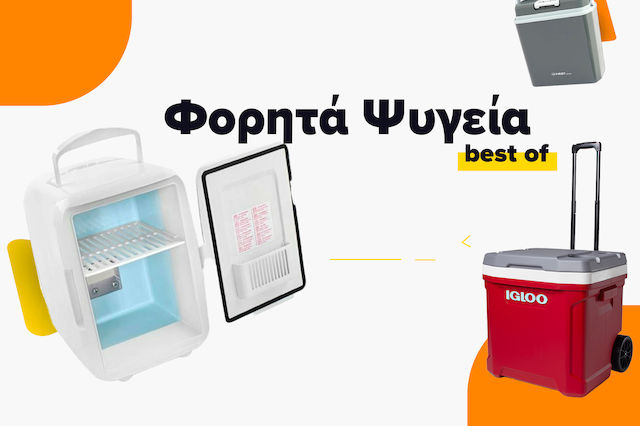
Τα καλύτερα φορητά ψυγεία της αγοράς
Τα καλύτερα καταδυτικά scooter του Skroutz
Άφησε πρώτος το σχόλιό σου!