

Οδηγός Αγοράς για ενδοεπικοινωνία μωρού: Πώς να επιλέξεις την καλύτερη
Η ασφάλεια και η ηρεμία του μωρού σου είναι η απόλυτη προτεραιότητα από την πρώτη κιόλας μέρα που θα έρθει στο σπίτι. Μια συσκευή ενδοεπικοινωνίας μωρού είναι το «δεξί σου χέρι», επιτρέποντάς σου να επιβλέπεις το μικρό σου κάθε στιγμή, ακόμα κι όταν βρίσκεσαι σε άλλο δωμάτιο ή χαλαρώνεις στο σαλόνι.
Με τόσες επιλογές και τεχνικά χαρακτηριστικά στην αγορά, η τελική απόφαση μπορεί να μοιάζει «βουνό». Σε αυτόν τον πλήρη οδηγό αγοράς, αναλύουμε όλα όσα πρέπει να προσέξεις (από το είδος και τη συνδεσιμότητα μέχρι τις έξυπνες λειτουργίες) για να βρεις την ιδανική συσκευή για τις ανάγκες σου.
1. Είδος
Το πρώτο δίλημμα που θα αντιμετωπίσεις είναι το είδος της συσκευής. Οι επιλογές χωρίζονται σε τρεις βασικές κατηγορίες:
- Ήχου: Η κλασική, οικονομική και αξιόπιστη λύση. Ακούς το κλάμα του μωρού αμέσως. Είναι ιδανική αν θέλεις κάτι απλό, με μεγάλη διάρκεια μπαταρίας και χωρίς περίπλοκες ρυθμίσεις.
- Κάμερας: Εστιάζει στην οπτική επίβλεψη, συνήθως στέλνοντας την εικόνα σε κάποια άλλη συσκευή.
- Κάμερας & Ήχου (Η δημοφιλέστερη επιλογή): Η premium επιλογή που σου προσφέρει ολοκληρωμένη εικόνα και ήχο σε πραγματικό χρόνο. Δεν ακούς μόνο αν το μωρό έκλαψε, αλλά βλέπεις αν απλώς άλλαξε πλευρό ή αν έχει ξυπνήσει και παίζει ήσυχα.
Είδος ενδοεπικοινωνίας μωρού
-
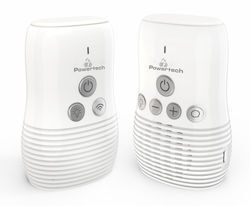 Ήχου
Ήχου
-
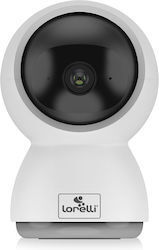 Κάμερας
-
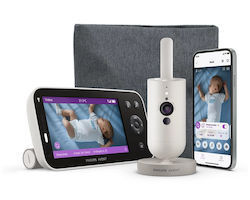 Κάμερας & Ήχου
2. Τύπος συνδεσιμότητας
Ο τρόπος με τον οποίο μεταδίδεται το σήμα επηρεάζει την εμβέλεια και την ευελιξία σου.
3. Οθόνη και ποιότητα εικόνας
Αν επιλέξεις ενδοεπικοινωνία με βίντεο, η ποιότητα της οθόνης του γονέα παίζει καθοριστικό ρόλο:
- Έγχρωμη Οθόνη: Σου επιτρέπει να βλέπεις καθαρά το μωρό κατά τη διάρκεια της ημέρας.
- Νυχτερινή Όραση: Ίσως το πιο απαραίτητο χαρακτηριστικό, καθώς το μωρό κοιμάται κυρίως στο σκοτάδι. Σου επιτρέπει να βλέπεις πεντακάθαρα (σε ασπρόμαυρο φόντο) χωρίς να ανάβεις φώτα στο παιδικό δωμάτιο.
- Λειτουργία Zoom: Χρήσιμη για να «κεντράρεις» στο πρόσωπο ή στην αναπνοή του μωρού χωρίς να μετακινήσεις την κάμερα.
- Συστήματα με 2 Κάμερες: Ιδανική επιλογή αν έχεις δίδυμα ή δύο μικρά παιδιά σε διαφορετικά δωμάτια, καθώς μπορείς να ελέγχεις και τους δύο χώρους από την ίδια οθόνη.

4. Extra δυνατότητες & λειτουργίες
Οι σύγχρονες συσκευές ενδοεπικοινωνίας δεν είναι απλά «πομποί», αλλά ενσωματώνουν έξυπνα features:
- Αμφίδρομη Επικοινωνία: Σου επιτρέπει να μιλήσεις στο μωρό σου πατώντας ένα κουμπί. Πολλές φορές, ο ήχος της φωνής σου αρκεί για να το ηρεμήσει μέχρι να φτάσεις στο δωμάτιο.
- Ανίχνευση Κίνησης: Η οθόνη ενεργοποιείται αυτόματα μόλις το μωρό στριφογυρίσει ή σηκωθεί.
- Νανουρίσματα & Μελωδίες: Ενσωματωμένοι χαλαρωτικοί ήχοι ή λευκοί θόρυβοι που βοηθούν το μωρό να αποκοιμηθεί πιο εύκολα.
- Λειτουργία Δόνησης: Ιδιαίτερα χρήσιμη αν βρίσκεσαι σε περιβάλλον με φασαρία (π.χ. βλέπεις τηλεόραση ή σκουπίζεις) και δεν μπορείς να ακούσεις τον ήχο.

5. Απόλυτος έλεγχος
Αν αναζητάς τη μέγιστη ασφάλεια, υπάρχουν advanced χαρακτηριστικά που προσφέρουν extra σιγουριά:
- Μέτρηση Θερμοκρασίας: Σου δείχνει στην οθόνη αν το δωμάτιο του μωρού είναι πολύ ζεστό ή κρύο, κάτι πολύ σημαντικό για τα νεογέννητα.
- Φωτάκι Νυκτός: Ένα απαλό φως ενσωματωμένο στην κάμερα που κρατά συντροφιά στο μωρό και σε βοηθά να βλέπεις όταν μπαίνεις στο δωμάτιο το βράδυ.
- Έλεγχος Αναπνοής: Συσκευές που συνδυάζονται με ειδικά pads ή αισθητήρες κίνησης για να παρακολουθούν τους αναπνευστικούς ρυθμούς του μωρού.
- Χαμηλή Ακτινοβολία: Λειτουργίες που μειώνουν την εκπομπή κυμάτων όταν το μωρό κοιμάται ήσυχα, εξοικονομώντας παράλληλα ενέργεια.
➡ Εμβέλεια
Η εμβέλεια που αναγράφουν οι κατασκευαστές αφορά συνήθως ανοιχτό χώρο (χωρίς εμπόδια).
- Έως 100 m: Ιδανικό για μικρά διαμερίσματα.
- Από 150 έως 260 m: Κατάλληλο για τυπικά σπίτια με μερικούς μεσοτοίχους.
- Πάνω από 270 m: Η καλύτερη επιλογή για μεγάλα ή διώροφα σπίτια με χοντρούς τοίχους και κήπο, ώστε να μην χάνεις ποτέ το σήμα.
-
 Έως 100 m
-
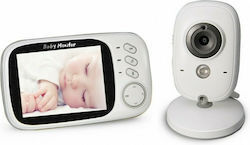 Από 150 έως 260 m
-
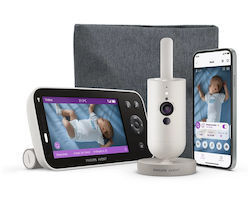 Πάνω από 270 m
Σύνοψη: Τι να διαλέξεις τελικά;
- Αν θέλεις κάτι απλό και οικονομικό, επίλεξε μια συσκευή Ήχου με μεγάλη εμβέλεια και μπαταρία.
- Αν θέλεις να βλέπεις κάθε κίνηση του μωρού μέσα στο σπίτι χωρίς να εξαρτάσαι από το internet, μια συσκευή Κάμερας & Ήχου με Ασύρματη σύνδεση και Νυχτερινή Όραση είναι η top επιλογή.
- Αν ταξιδεύεις συχνά ή θέλεις να βλέπεις το μωρό όταν λείπεις από το σπίτι, μια WiFi κάμερα με σύνδεση στο Smartphone θα σου λύσει τα χέρια.
Δε ξέρεις τι να διαλέξεις; Δες τις TOP επιλογές:
Σχετικά Άρθρα
Διάλεξε το καλύτερο baby monitor για να είσαι πάντα δίπλα στο μωρό σου
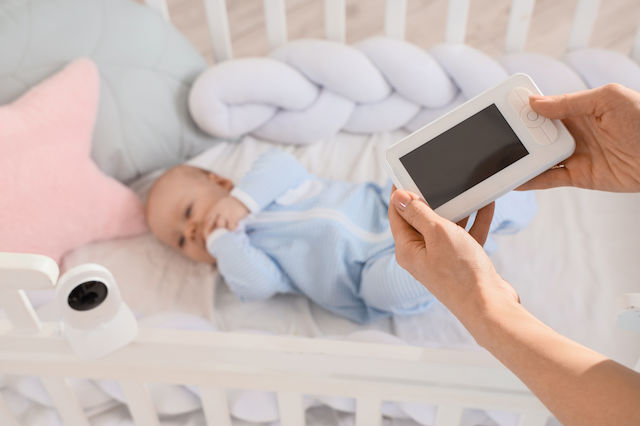
Τα καλύτερα συστήματα ενδοεπικοινωνίας μωρού (baby monitors)
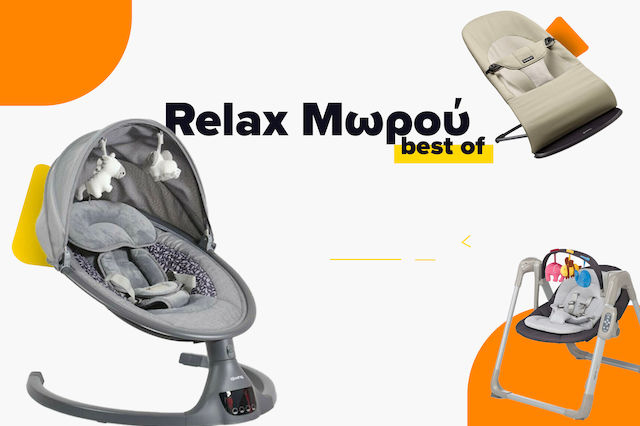
Τα καλύτερα relax μωρού του 2026 για στιγμές άνεσης & χαλάρωσης

Άφησε πρώτος το σχόλιό σου!