
✨ The Ultimate Guide to Active Ingredients: What to Choose for Your Skin
In 2026, the secret to perfect skin lies in active ingredients! You don’t need to follow 10-step routines, but to find the right ingredients that target your needs.
Let’s take a look at the “must-have” ingredients of the year and how to use them correctly!
✨ Viral Picks


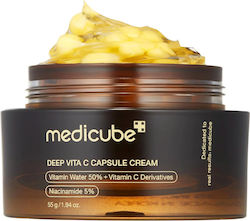


✨ Vitamin C
- Definition: A powerful antioxidant that neutralizes free radicals and protects against oxidative stress.
- Benefits: Radiance, reduction of spots/discoloration, boost of collagen production.
- Usage: Mainly in serums and day creams. Apply in the morning before sunscreen.
- Skin types: All (use caution on sensitive skin if the concentration is high).
- Combinations: Pairs perfectly with Vitamin E and Ferulic acid (they enhance its action). Note: Avoid retinol in the same application.
✨ Hyaluronic Acid
- Definition: A natural component of the skin that retains moisture.
- Benefits: Instant hydration, plumping effect, and smoothing of fine dryness lines.
- Usage: Hydrating serums and moisturizers. Should be applied to slightly damp skin.
- Skin types: All (essential for dehydrated skin).
- Combinations: With any other ingredient, as it helps with the tolerance of stronger acids.
✨ Niacinamide
- Definition: A water-soluble vitamin that strengthens the skin barrier.
- Benefits: Tightens pores, regulates sebum, reduces redness, and improves texture.
- Use: Found in almost every type of product (serums, creams, boosters).
- Skin types: All. It is the most "friendly" active ingredient.
- Combinations: The "jack of all trades." Can be combined with everything (Retinol, Hyaluronic Acid, Vitamin C).
✨ PDRN
- Definition: Biological molecules (often from salmon DNA) that help with cellular regeneration.
- Benefits: Deep tissue regeneration, healing, anti-inflammatory action, and "filling" of fine lines.
- Use: Serums, ampoules, and products for post-aesthetic procedures (microneedling, etc.).
- Skin types: Mature, stressed, or acne-scarred skin.
- Combinations: Combines well with Hyaluronic Acid and Peptides for maximum anti-aging.
✨ Centella Asiatica
- Definition: A plant extract (also known as "Tiger Grass") with healing properties.
- Benefits: Soothes irritation, restores the barrier, and reduces inflammation.
- Use: Recovery creams ("Cica creams"), serums, and face masks.
- Skin types: Sensitive, irritated, or skin "burned" from excessive acid use.
- Combinations: Ideal after using Retinol or AHA/BHA to calm the skin.
✨ Azelaic Acid
- Definition: A dicarboxylic acid that is naturally produced from grains (such as barley).
- Benefits: Fights acne, rosacea, and post-inflammatory hyperpigmentation.
- Usage: Gel or creams. Can be used morning and night.
- Skin types: Oily, acne-prone, or skin with redness (rosacea).
- Combinations: Niacinamide (for soothing) and Salicylic acid (for persistent acne).
✨ Salicylic Acid (BHA)
- Definition: A fat-soluble acid that penetrates deep into the pores.
- Benefits: Unclogs pores, reduces oiliness, fights blackheads.
- Use: Facial cleansers, toners, and spot treatments.
- Skin types: Oily, combination, acne-prone.
- Combinations: With Hyaluronic Acid to prevent skin from drying out. Caution: Do not overuse if you are also using retinol.
Relevant Articles

Buying Guide: How Do I Choose the Right Face Cream
Retinol: What Is It, How Does It Work on the Skin & Why Should You Add It to Your Routine?
Serum for every skin type

Be the first to leave a comment!