

Tips for Choosing the Best Anti-Wrinkle Cream After 40 for Your Skin
Find out what really works for mature skin this year. Discover why collagen in creams doesn’t help, what well-aging means, and what the fair prices are.
What you need to know now about a face cream after the age of 40
The truth about collagen: Don’t look for a "collagen cream" – the molecule is too large to penetrate the skin. Look for ingredients that stimulate your own collagen (retinol, peptides).
Hydration vs. barrier: At 40+, it’s not just about water, but about lipids. You need ceramides and fatty acids to lock in moisture, not just a watery cream.
The right price: An effective cream costs between 60 and 150 RON (pharmacy brands). Anything under 50 RON is often just an emollient.
SPF is essential: No anti-wrinkle cream works if you don’t use SPF 50 daily. The sun is responsible for 80% of skin aging.
Read the full article to understand labels correctly and avoid wasting money on outdated marketing myths.
What should a face cream for mature skin contain?
A face cream intended for people over 40 is no longer just about simple surface hydration. In 2026, we are talking about complex "well-aging" formulas that are meant to supplement what the body gradually stops producing.
Specifically, the ingredient list should check off three pillars:
restoring the barrier (with ceramides, cholesterol, and fatty acids that mimic natural sebum),
cellular stimulation (with proven ingredients such as retinol or peptides),
protection against future degradation (with potent antioxidants).
Without this mix, the cream just sinks into the skin without delivering real benefits to the skin’s structure.
Why does skin change after 40 and what challenges arise?
After 40, we are not only fighting wrinkles, but also loss of volume and chronic dryness. The decrease in estrogen slows down sebum production (the skin’s natural oil), which means the protective barrier weakens. Water escapes, irritants get in.
If at 20 a light cream was enough, now you feel the need for richer textures. Cellular regeneration slows down (from 28 days to over 45), and the skin becomes dull. A simple nourishing face cream from the supermarket, based only on glycerin and mineral oil, will not be enough. You need formulas that mimic the skin’s structure (biomimetic).


What are the criteria for the best anti-wrinkle cream after 40 years?
When looking for the best anti-wrinkle cream after 40, you need to know how to read between the marketing lines. "Natural" does not always mean better, and "expensive" does not mean effective.
What to Do If You Have Sensitive Skin at 40?
Many women notice that as they age, their skin not only develops wrinkles but also suddenly becomes more difficult to manage. Do you flush immediately after a shower? Do you feel tingling when you apply a new product? You are not alone.
As lipid levels decrease, the protective barrier becomes thinner, leaving nerve endings more exposed. If you recognize yourself in this description, the golden rule is: "soothe first, then treat."
Avoid products with synthetic fragrance or denatured alcohol and take a break from strong acids. Look for "firefighter" ingredients on the label such as Centella Asiatica, Panthenol (Vitamin B5), Allantoin, and Bisabolol. Only after the redness disappears and your skin no longer feels tight, you can gradually introduce a gentle encapsulated retinol.
Do you feel like your skin reacts to everything? Choose safety with our range of dermatologically tested creams for sensitive skin, formulated to instantly soothe irritation.


What active ingredients are essential?
Let’s clear up the biggest myth: collagen creams don’t work the way you think. Collagen is a huge protein. Trying to get it into your skin through a cream is like trying to push a mattress through a keyhole.
Instead, for an anti-wrinkle face cream that actually helps reduce signs of aging, look for ingredients that force your skin to produce its own collagen:
Retinoids (retinal/retinol): The “coach” of your cells. Accelerates regeneration. Caution: introduce gradually to avoid irritation.
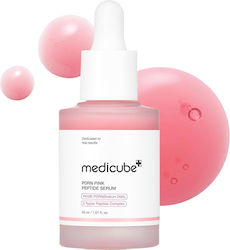
Peptides: Chemical messengers that tell the skin “Hey, we have a crack here, fix it!”. They are gentle and effective.
Ceramides: Absolutely essential after 40+. They are the “cement” that holds cells together. Without them, your skin is like a brick wall falling apart.
Niacinamide: Soothes inflammation (which ages the skin – “inflammaging”) and helps with spots.
If you have pigmentation spots (melasma or sun spots), look for specific ingredients like Tranexamic Acid or Thiamidol, not just vitamin C. Discover dedicated creams for treating pigmentation spots on Skroutz.ro!
Top best anti-wrinkle creams
There is no universal top, but the market has matured. The best anti-wrinkle creams are no longer the luxury ones from perfumeries, but “active dermocosmetics”.
Skroutz.ro is a safe destination for online shopping. Users have access to a vast catalog, with over a million products. We offer a simple and advantageous shopping experience, both in Romania and Europe.
Shop smart:
Pharmacy range (mid-range): Brands like CeraVe, La Roche Posay, Bioderma. They offer simple, fragrance-free formulas focused on the skin barrier. Fair prices (60-120 RON).
Products with concentrated active ingredients (high-end functional): Brands like Paula’s Choice, Medik8 or Geek & Gorgeous. They contain high concentrations of actives (e.g. Retinal 0.1%). Here you pay for efficacy and stable formulas.
K-Beauty (Korean): Excellent for hydration and soothing (Centella Asiatica, Mugwort), but check that they don’t have too many plant extracts if you’re allergic.
Discover K-Beauty products and give your skin the hydration and glow specific to Asian rituals! Shop easily and safely on Skroutz, the largest marketplace in Greece!
Miracle cream for wrinkles: myth or reality?

No cream, no matter how expensive, will lift sagging skin (for that, there are aesthetic procedures). A miracle wrinkle cream is just a slogan.
However, a proper routine can improve skin texture by 30-50%. What you can realistically achieve:
Hydration: Instant. Fine dehydration lines disappear.
Radiance: In 4-8 weeks. The complexion no longer looks dull.
Mild firmness: In 6-12 months of daily use of retinol and peptides.
If a product promises results "in 7 days," it's just silicone that temporarily fills the wrinkle on the surface.
For a real hydration boost that supports your cream, serums are a must. Choose a concentrated hydrating serum to enhance the effect of your cream!
What does a complete routine with the best face moisturizer look like?
Even the best face moisturizer will fail if you apply it on congested skin. At 40, "Skin Cycling" or simplifying your routine (Skinimalism) are the winning trends.
Don’t forget the eye area! The skin there is the first to give in. See the selection of moisturizing creams for the sensitive eye area!
What is the difference between day and night anti-wrinkle creams?
It’s not just marketing. The skin’s circadian rhythm is real.
Day: The skin defends itself. Day cream should act like a shield (antioxidants, UV filters, lightweight texture under makeup).
Night: The skin repairs itself. Night cream should nourish and rebuild (lipids, fatty acids, retinol).
If you use day cream at night, you waste repair potential. If you use night cream during the day, you risk a shiny face and, more seriously, no sun protection.
How to properly apply anti-wrinkle cream for maximum results?
Don’t spread it aggressively. Mature skin is less elastic and doesn’t bounce back as quickly.
Warm it up: Rub a little cream between your fingers.
Pat it on: Press the cream into the skin, don’t rub it.
Neck and décolletage: Golden rule – whatever you put on your face, put on your neck and décolletage too.
What mistakes should you avoid when choosing a face cream at 40?
Ignoring the INCI (ingredients list): Buying just because it smells nice is not a smart move. Fragrance is the #1 irritant.
Fear of "chemicals": Parabens are safe and extensively studied preservatives. Preservative-free products can develop dangerous bacteria within 3 months.
Over-exfoliating: Apricot seed scrubs cause micro-injuries. Use gentle chemical exfoliants (Lactic Acid or PHA) once a week.
Steps to follow after reading this article:
Check your products: Throw away anything expired or that has changed smell/color.
Identify your #1 need: Is it dryness? Spots? Wrinkles? Choose one active ingredient to start.
Buy a good SPF: If you don’t have one you enjoy using every day, look for a new one.
Invest in a barrier cream: Look for the word "ceramides" on the label. Buy simply and safely from Greece’s largest marketplace.
Be patient: Take a photo now and one in 3 months. Only then will you see progress.
Frequently asked questions about anti-wrinkle creams after 40
Why does my face sting when I apply anti-wrinkle cream?
If you feel stinging, it’s a sign that your skin barrier is compromised. Stop using strong actives (retinol, acids, vitamin C) and use only a simple, gentle repair cream for 2 weeks, until the skin calms down.
Does retinol thin the skin?
This is a myth. Retinol only thins the "dead" surface layer (which gives brightness), but in fact it thickens the dermis (the deeper layer) by stimulating collagen, making the skin more resilient over time.
Can I use natural oils (coconut, olive) instead of cream?
It is not recommended long term. Oils are emollients (they soften), but they are not hydrating (they do not add water). Moreover, some oils (coconut) clog pores, and others (olive) can weaken the skin barrier if used pure, undiluted in cosmetic formulas.
How often should I change my cream?
You don’t need to change it if it works. The myth that "the skin gets used to it" is false. If you found a formula that suits you, stick with it. Change it only if your skin’s needs change (for example, from summer to winter).
Photo source: Pexels, Unsplash
Be the first to leave a comment!