

Οδηγός αγοράς για Headphones
Έλα να ανακαλύψουμε μαζί ποια είναι τα κύρια χαρακτηριστικά που πρέπει να λάβεις υπόψη κατά την αγορά headphones και ποια είναι τα πιο σημαντικά, με βάση τη χρήση που θες να κάνεις.
Είσαι σε αναζήτηση για νέα headphones και έχεις μπερδευτεί σε τι πρέπει να εστιάσεις, ώστε να καταλήξεις στην κατάλληλη επιλογή για εσένα; Μην ανησυχείς! Παρακάτω σου έχουμε συγκεντρώσει τα κύρια χαρακτηριστικά, στα οποία πρέπει να δώσεις βάση, αναλόγως τη χρήση, για την οποία προορίζεις τα νέα σου ακουστικά.
1. Ποιότητα ήχου
Η ποιότητα του ήχου που αναπαράγουν τα ακουστικά, που θα επιλέξεις, αποτελεί έναν από τους βασικότερους παράγοντες. Όποια κι αν είναι η χρήση για την οποία τα προορίζεις, το σίγουρο είναι ότι χρειάζεσαι καλή ποιότητα και καθαρό ήχο.
Ποια είναι τα χαρακτηριστικά που καθορίζουν την ποιότητα του ήχου;
Απόκριση συχνότητας
Η απόκριση συχνότητας δείχνει το εύρος των ήχων που μπορούν να αναπαράξουν τα ακουστικά και μετριέται σε Hz. Το πιο συνηθισμένο εύρος για αυτό το χαρακτηριστικό είναι αυτό της ανθρώπινης ακοής, δηλαδή τιμές μεταξύ 20 - 20000 Hz. Μεγαλύτερο εύρος συχνοτήτων δε σημαίνει απαραίτητα καλύτερη ποιότητα ήχου. Πιο συγκεκριμένα μπορείς να αναζητήσεις τις παρακάτω τιμές, με βάση το τι θες να ακούσεις:
- Bass | 20-250 Hz: Δυνατότερο μπάσο, για βάθος. Ιδανικές συχνότητες για ακρόαση ηλεκτρονικής ή hip hop μουσικής.
- Mids | 250-4000 Hz: Οι μεσαίες συχνότητες είναι πιο δυνατές, κατάλληλες για καλύτερη ακρόαση σε φωνητικά ή ορχηστρική μουσική.
- Treble | 4000-20000 Hz: Υψηλές συχνότητες, επηρεάζουν την καθαρότητα και ευκρίνεια του ήχου, για καλύτερη ακρόαση π.χ. των κυμβάλων ή το χτύπημα των χορδών της κλασικής κιθάρας.
Αντίσταση
Αυτό το χαρακτηριστικό υποδηλώνει την αντίσταση που έχουν τα ηχεία των ακουστικών στο ηλεκτρικό ρεύμα και μετριέται σε Οhm ή Ω. Κατά κανόνα, όσο χαμηλότερη είναι η αντίσταση, τόσο πιο δυνατά ακούγονται τα ακουστικά, αλλά με λιγότερη καθαρότητα στον ήχο. Η πιο συνηθισμένη τιμή είναι στα 32 Οhm για ένα μέσο χρήστη. Πιο συγκεκριμένα, μπορείς να επιλέξεις ακουστικά με βάση την αντίσταση, αναλόγως τη χρήση που θα κάνεις, όπως θα δεις παρακάτω:
- <= 50Ω: Τέτοιες τιμές συναντάμε στα περισσότερα ακουστικά για καθημερινή χρήση, που είναι σχεδιασμένα για να λειτουργούν εύκολα με συσκευές χαμηλής ισχύος (π.χ. κινητό, laptop κ.α.).
- > 50Ω: Μεγαλύτερες τιμές συναντάμε σε πιο επαγγελματικά ή hi-fi ακουστικά, όπου χρειάζονται περισσότερη ισχύ για την αναπαραγωγή ήχου. Συνήθως απαιτείται και ενισχυτής ακουστικών.
Ευαισθησία
Η ευαισθησία αναφέρεται στο πόσο δυνατά μπορούν να αναπαράγουν ήχο για μια συγκεκριμένη ποσότητα ισχύος, που λαμβάνουν από μία συγκεκριμένη πηγή (π.χ. κινητό, ενισχυτής κ.α.) και μετριέται σε db. Όσο πιο μεγάλη η ευαισθησία των ακουστικών τόσο πιο δυνατά θα ακούγονται σε μία συγκεκριμένη ένταση της πηγής. Σε γενικές γραμμές, ακουστικά με τιμή 90db ή μεγαλύτερη θεωρούνται μια καλή επιλογή.
- Υψηλή ευαισθησία | > 100db: Ακουστικά με υψηλή ευαισθησία, παράγουν περισσότερο ήχο με χαμηλότερη ισχύ. Μπορούν να φτάσουν σε υψηλές εντάσεις με συσκευές χαμηλής ισχύος (π.χ. κινητό, laptop κ.α.).
- Χαμηλή ευαισθησία | <= 100db: Ακουστικά με χαμηλή ευαισθησία, απαιτούν περισσότερη ισχύ για να φτάσουν τα ίδια επίπεδα έντασης, οπότε μπορεί να χρειάζονται ειδικό ενισχυτή ακουστικών.
SkroutzTip: Για αναπαραγωγή ήχου υψηλής ποιότητας, προτίμησε headphones με high-resolution audio.

2. Σχεδίαση & άνεση | Over Εar vs On Εar
Ο σχεδιασμός, επίσης, παίζει πολύ σημαντικό ρόλο στην επιλογή των ιδανικών ακουστικών, καθώς επηρεάζει την άνεση και τη συνολική εμπειρία. Τα headphones χωρίζονται σε 2 τύπους, με βάση την εφαρμογή στα αυτιά, αν δηλαδή τα καλύπτουν εξ' ολοκλήρου ή αν εφάπτονται πάνω σε αυτά.
Ποιοι είναι οι 2 τύποι headphones;
Over Ear
Τα over ear headphones διαθέτουν, συνήθως, μεγάλες κάψες, που εφαρμόζουν γύρω από το αυτί και απομονώνουν καλύτερα τους εξωτερικούς θορύβους. Είναι ιδανικά σε συνθήκες με πολύ θόρυβο, όπου χρειάζεσαι περισσότερη συγκέντρωση ή ακρόαση χωρίς περισπασμούς, όπως σε ένα ταξίδι, στο γυμναστήριο ή ακόμη και στο γραφείο.
On Ear
Τα on ear headphones, από την άλλη, διαθέτουν μικρότερες κάψες, που εφαρμόζουν πάνω στο αυτί και δεν απομονώνουν τελείως τους εξωτερικούς θορύβους. Η χρήση τους ενδείκνυται σε δημόσιους χώρους, όπου χρειάζεται να έχεις επαφή με τον περιβάλλοντα χώρο για ασφάλεια, όπως όταν βρίσκεσαι στα ΜΜΜ ή όταν περπατάς στο δρόμο. Ακόμη, τέτοια ακουστικά είναι ιδανικά και για παιδιά, ώστε να μπορούν να απολαμβάνουν τον αγαπημένο τους ήχο, διατηρώντας πάντα επαφή με τον περίγυρο.
Ενσύρματα ή Ασύρματα; Τι να επιλέξω;
Η μάχη ανάμεσα στα καλώδια και το Bluetooth έχει ουσιαστικά κριθεί. Με τα περισσότερα σύγχρονα smartphones να έχουν καταργήσει την κλασική θύρα ακουστικών (3.5mm jack), τα ασύρματα ακουστικά είναι πλέον μονόδρομος για τους περισσότερους από εμάς.
Ασύρματα (True Wireless): Είναι οι γνωστές "ψείρες" που έρχονται μέσα στη δική τους θήκη φόρτισης, χωρίς απολύτως κανένα καλώδιο. Συνδέονται με το κινητό σου μέσω Bluetooth (ιδανικά έκδοσης 5.2 και άνω) για να μην έχεις καθυστερήσεις στον ήχο και να κρατάει η μπαταρία περισσότερο. Είναι ιδανικά για τον δρόμο, το γυμναστήριο και την καθημερινότητα.
Ενσύρματα: Παραμένουν αγαπημένη επιλογή για τους gamers (καθώς δεν έχουν καμία απολύτως καθυστέρηση στον ήχο) και για τους λάτρεις του studio ήχου (audiophiles). Αν θέλεις ενσύρματα για το κινητό σου, βεβαιώσου ότι έχουν βύσμα USB-C (για Android και νέα iPhone) ή ότι έχεις τον κατάλληλο αντάπτορα!
4. Μπαταρία | Αυτονομία & φόρτιση
Η μπαταρία στα ασύρματα ακουστικά είναι το χαρακτηριστικό, στο οποίο χρειάζεται να δώσεις περισσότερη βάση. Αναλόγως τη χρήση που θα κάνεις στα headphones σου, καλό είναι να ξέρεις την αυτονομία που προσφέρουν με μία πλήρη φόρτιση, καθώς και τον πλήρη χρόνο φόρτισης για να φτάσουν τη μέγιστη αυτονομία.
Ποια αυτονομία ταιριάζει στις ανάγκες σου;
- Μικρή αυτονομία (4-10 ώρες): Ακουστικά με μικρή αυτονομία ενδείκνυνται για περιστασιακούς χρήστες, που είτε τα χρησιμοποιούν σε καθημερινή βάση για μικρό χρονικό διάστημα, π.χ. κατά την ώρα του διαλείμματος στη δουλειά τους, είτε ακόμη πιο σπάνια, π.χ. όταν βγει ένα νέο video που θέλουν να παρακολουθήσουν.
- Μεσαία αυτονομία (20-40 ώρες): Ακουστικά με μεσαία αυτονομία είναι ιδανικά για καθημερινούς απαιτητικούς χρήστες, οι οποίοι χρησιμοποιούν τα ακουστικά στη δουλειά τους, στο δρόμο, στο σπίτι ή σε ταξίδια. Δηλαδή, "όπου σταθούν και όπου βρεθούν".
- Μεγάλη αυτονομία (>40 ώρες): Ενώ, ακουστικά με μεγάλη αυτονομία προορίζονται για επαγγελματική χρήση, αναπαραγωγή μουσικής και gaming, όπου ο χρήστης χρειάζεται αδιάκοπη αναπαραγωγή, χωρίς περισπασμούς. Σε αυτή την περίπτωση, θα βοηθούσε και ένα υβριδικό μοντέλο, ώστε μόλις τελειώσει η μπαταρία να μπορεί να συνδεθεί ενσύρματα, χωρίς διακοπή του ήχου.
SkroutzTip: Προτίμησε headphones με γρήγορη φόρτιση, τα οποία μπορούν να προσφέρουν, συνήθως, 3-5 ώρες αυτονομίας με μόνο 10 λεπτά φόρτισης!

Πως να διατηρήσεις την αυτονομία της μπαταρίας;
- Απενεργοποίησε extra λειτουργίες, όπως η ενεργή ακύρωση θορύβου, όταν δεν τις χρειάζεσαι, καθώς καταναλώνουν περισσότερη ενέργεια.
- Χρησιμοποίησε μέτρια ένταση, καθώς η χρήση των headphones σε υψηλές εντάσεις απαιτεί περισσότερη κατανάλωση ενέργειας.
- Απενεργοποίησε τα headphones όταν δεν τα χρησιμοποιείς και μην τα αφήνεις σε λειτουργία αναμονής, καθώς έτσι μειώνεται η στάθμη της μπαταρίας.
- Φόρτισε τα πλήρως πριν από μεγάλα ταξίδια ή περιόδους που θα περνάς πολύ χρόνο εκτός σπιτιού και μακριά από κάποια πηγή φόρτισης.
- Απόφυγε την υπερβολική φόρτιση ή την πλήρη εξάντληση της μπαταρίας, καταστάσεις οι οποίες "σοκάρουν" την μπαταρία και οδηγούν σε μείωση του προσδόκιμου ζωής της.
- Επίλεξε premium μοντέλα, με πολύ καλή ποιότητα κατασκευής, καθώς συχνά διαθέτουν βελτιστοποιημένη κατανάλωση ενέργειας.
5. Απομόνωση & ακύρωση εξωτερικών θορύβων
Η απομόνωση και ακύρωση των εξωτερικών θορύβων είναι μία πολύ διαδεδομένη λειτουργία των headphones, κατά την οποία ο χρήστης μπορεί να ακούει το αγαπημένο του περιεχόμενο, χωρίς να αποσπάται από τον περιβάλλοντα χώρο και τους θορύβους που υπάρχουν, ακόμη και σε χαμηλή ένταση. Ξεχωρίζουν 2 τεχνολογίες σε σχέση με την απομόνωση και ακύρωση των θορύβων, οι οποίες λειτουργούν με διαφορετικούς τρόπους. Πάμε να τις δούμε αναλυτικά:
Passive Noise Cancellation (PNC)
Η παθητική απομόνωση βασίζεται αποκλειστικά στη φυσική μόνωση που παρέχουν τα ακουστικά, μέσω του σχεδιασμού και των υλικών τους, με στόχο να εμποδίσουν το θόρυβο από το εξωτερικό περιβάλλον να φτάσει στα αυτιά του χρήστη. Αυτό μπορεί να επιτευχθεί μέσω των υλικών που χρησιμοποιούνται κατά την κατασκευή των ακουστικών, όπως μαξιλαράκια από memory foam ή περίβλημα από απορροφητικά υλικά. Ακόμη, τα over ear ακουστικά προσφέρουν, συνήθως, παθητική απομόνωση χάρη στον σχεδιασμό τους να αγκαλιάζουν τα αυτιά και την καλή εφαρμογή τους.
Τα headphones με passive noise cancellation ενδείκνυνται για καθημερινή χρήση σε πιο ήσυχα περιβάλλοντα, με μη συνεχή θόρυβο, όπως σε ένα γραφείο. Αποτελούν την πιο οικονομική επιλογή, εγγυώνται σταθερή απόδοση και δε χρειάζονται μπαταρία για να λειτουργήσουν.
Active Noise Cancellation (ANC)
Η ενεργή απομόνωση, από την άλλη, είναι μία ειδική τεχνολογία που εντοπίζει και μπλοκάρει τους εξωτερικούς θορύβους, χρησιμοποιώντας μικρόφωνα και ηλεκτρονικά κυκλώματα, επιτρέποντάς σου να ακούς καλύτερα και πιο καθαρά. Πως λειτουργεί; Τα ενσωματωμένα μικρόφωνα καταγράφουν τον εξωτερικό θόρυβο, την ώρα που ένα κύκλωμα επεξεργασίας ήχου δημιουργεί ένα αντίστροφο ηχητικό κύμα. Μόλις ο εξωτερικός θόρυβος "συναντήσει" το αντίστροφο κύμα επιτυγχάνεται η ακύρωση θορύβου.
Τα headphones με active noise cancellation ενδείκνυνται για χρήση σε χώρους με σταθερούς ήχους, όπως σε ένα ταξίδι με αεροπλάνο ή σε χώρους εργασίας και περιβάλλοντα με έντονο θόρυβο. Αποτελούν μία premium επιλογή, αποδίδουν τα μέγιστα, ακόμη κι αν η εφαρμογή δεν είναι η καλύτερη και επιτρέπουν καλύτερη ακρόαση, δημιουργώντας ένα ήσυχο περιβάλλον.
6. Χρήση
Αφού είδαμε τα βασικότερα χαρακτηριστικά, που πρέπει να προσέξεις κατά την αγορά των νέων σου headphones, πάμε να δούμε πιο συγκεκριμένα ποια είναι αυτά που θα χρειαστείς με βάση τη χρήση που θέλεις να κάνεις:
Καθημερινή χρήση
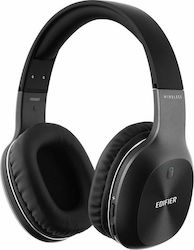
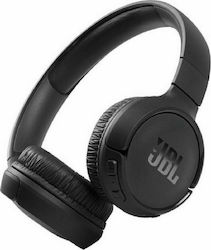
Αν θες να απολαμβάνεις μουσική και περισσότερο ακουστικό περιεχόμενο στην καλύτερη δυνατή ποιότητα, προτίμησε over ear ακουστικά με μεγάλο εύρος απόκρισης συχνότητας (20Hz έως 20000Hz), ενσύρματη σύνδεση και με απομόνωση εξωτερικών θορύβων: ενεργητική ή παθητική. Ακόμη, φρόντισε να επιλέξεις ένα ελαφρύ μοντέλο με εργονομικό σχεδιασμό και καλή εφαρμογή, που να μπορείς να χρησιμοποιείς από το πρωί έως το βράδυ, χωρίς να σε κουράζει.
Top headphones για καθημερινή χρήση:




Ταξίδια
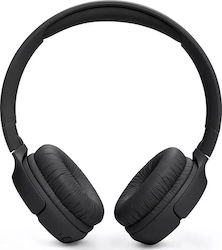
Αν ταξιδεύεις συχνά ή βρίσκεσαι για πολλή ώρα στα μέσα μεταφοράς, προτίμησε over ear headphones, με ενεργή ακύρωση θορύβου, για να μπορείς να βρίσκεις την ησυχία σου, ακόμα και σε μέρη με πολύ θόρυβο! Μην ξεχάσεις να εξασφαλίσεις ότι τα ακουστικά που θα επιλέξεις έχουν μεγάλη αυτονομία, προσφέρουν εύκολη φορητότητα και είναι άνετα για πολύωρη χρήση.
Top headphones για χρήση σε ταξίδια ή ΜΜΜ:


Γυμναστική
Αν, πάλι, ψάχνεις υψηλής ποιότητας ακρόαση κατά την άσκησή σου, η καλύτερη επιλογή για 'σένα είναι ασύρματα ακουστικά, χωρίς ενοχλητικά καλώδια. Η αντοχή στον ιδρώτα και ο on ear σχεδιασμός, επίσης, θα επιτρέψουν στα αυτιά να αερίζονται, χωρίς να ιδρώνεις και να σκας. Επιπλέον, προτίμησε ένα ελαφρύ μοντέλο για να μην σου προσθέτει επιπλέον βάρος.
Top headphones για χρήση στο γυμναστήριο:


Παιδιά
Μήπως δεν ψάχνεις ακουστικά για 'σένα, αλλά για το παιδί, το βαφτιστήρι ή το ανίψι σου; Φρόντισε να επιλέξεις ασύρματα headphones, για ευκολία κινήσεων και αποφυγή ζημιών, με on ear και ελαφρύ σχεδιασμό, για μέγιστη άνεση και διατήρηση επαφής με τον περιβάλλοντα χώρο. Επίσης, προτίμησε μέτρια ένταση ήχου και ευαισθησία, ώστε να εξασφαλίσεις μέγιστη προστασία και ασφάλεια.
Top headphones για παιδιά:


Συγκέντρωση
Στην περίπτωση που σου αρέσει το διάβασμα ή χρειάζεσαι να ακούς κάτι χαλαρωτικό για να συγκεντρωθείς, δεν έχεις παρά να επιλέξεις ακουστικά με άνετη εφαρμογή, απομόνωση θορύβου, ενεργή ή παθητική, αξιόπιστη ποιότητα αναπαραγωγής ήχου, καθώς και μεγάλη διάρκεια ζωής της μπαταρίας, σε περίπτωση που πρόκειται για ασύρματα ακουστικά.
Top headphones για συγκέντρωση:


Creators
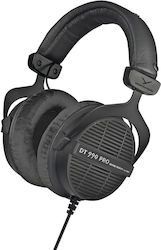
Για τις ανάγκες δημιουργίας περιεχόμενου, όπως vlogs ή podcasts, προτίμησε ενσύρματα headphones, για αποφυγή καθυστέρησης του ήχου και σταθερή μετάδοση, από υψηλής ποιότητας υλικά για αντοχή και ανθεκτικότητα. Με υψηλή ποιότητα ήχου και ακρίβεια στην αναπαραγωγή, over ear σχεδιασμό και active noise cancellation.
Top headphones για δημιουργία περιεχομένου:




DJs
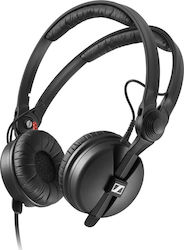
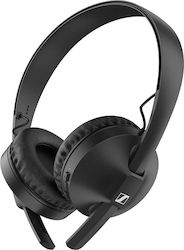
Αν είσαι επαγγελματίας ήχου, όπως DJ, ηχολήπτης ή μουσικός παραγωγός και ψάχνεις ακουστικά, τότε χρειάζεσαι ήχο υψηλής ποιότητας, με δυνατότητα ρύθμισης, στιβαρή και ανθεκτική κατασκευή, από ποιοτικά υλικά, περιστρεφόμενα ακουστικά, για δυνατότητα ακρόασης από τη μία πλευρά και καθαρά μπάσα, για beatmatching.
Top headphones για επαγγελματίες ήχου:




Προβολή ταινιών
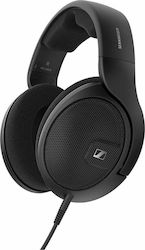
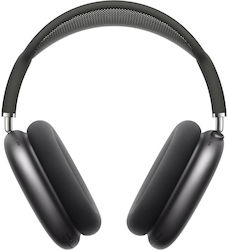
Αν, τέλος, σου αρέσει να βλέπεις ταινίες, ειδικά στην τηλεόραση και αναζητάς ήχο υψηλής ποιότητας, προτίμησε ενσύρματα headphones, ώστε να μην έχεις καθυστέρηση στον ήχο, over ear σχεδιασμό, για καλύτερη εφαρμογή και μεγάλη απόκριση συχνότητας (20 - 40000 Hz ή και περισσότερο), ώστε να αντιλαμβάνεσαι όλα τα εφέ.
Top headphones για προβολή ταινιών:


Μην ξεχνάς! Πολλές φορές μπορεί να υπάρχει διαφορά σε ένα προϊόν, με βάση τα συνολικά χαρακτηριστικά του αλλά και την κατασκευή. Πριν αποφασίσεις, διάβασε και τις κριτικές άλλων χρηστών, για να δεις και τη δική τους γνώμη!
Μπορείς να παρακολουθήσεις το παρακάτω βίντεο με top επιλογές σε headphones & gaming headsets:
Τέλος, μπορείς να ρίξεις μια ματιά και στον οδηγό με τα καλύτερα headphones της αγοράς για κάθε χρήση και ανάγκη, ώστε να σε βοηθήσει να καταλήξεις στην ιδανική επιλογή για εσένα!
Σχετικά Άρθρα
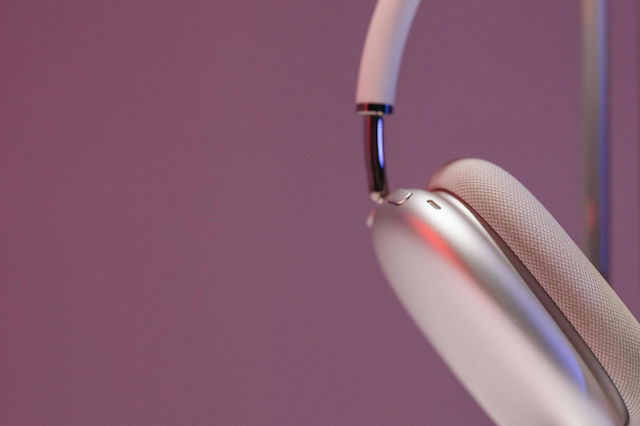
Τα καλύτερα headphones της αγοράς
Τα καλύτερα ακουστικά ψείρες για το 2026

Μετράς βήματα;
Άφησε πρώτος το σχόλιό σου!