

Wi-Fi 7: Το Άλμα στις Ασύρματες Συνδέσεις
Το Wi-Fi 7, επίσημα γνωστό ως πρότυπο IEEE 802.11be (Extremely High Throughput - EHT), είναι η επόμενη γενιά στην τεχνολογία ασύρματης δικτύωσης. Σχεδιάστηκε για να ανταποκριθεί στις ολοένα αυξανόμενες απαιτήσεις των σύγχρονων εφαρμογών, όπως η εικονική και επαυξημένη πραγματικότητα (VR/AR), το 8K streaming, και τα cloud gaming. Αντιπροσωπεύει ένα τεράστιο άλμα στις ταχύτητες, την αξιοπιστία και την χωρητικότητα του δικτύου.

Βασικά Χαρακτηριστικά & Καινοτομίες
Το Wi-Fi 7 βασίζεται στις θεμελιώδεις βελτιώσεις του Wi-Fi 6E, αξιοποιώντας και τις τρεις διαθέσιμες ζώνες συχνοτήτων (2.4 GHz, 5 GHz, και 6 GHz), αλλά εισάγει τρεις επαναστατικές τεχνολογίες:
1. Μεγαλύτερο Εύρος Ζώνης (Wider Channels)320 MHz Channels: Το Wi-Fi 7 διπλασιάζει το μέγιστο εύρος ζώνης καναλιού από τα 160 MHz (Wi-Fi 6E) στα 320 MHz στη ζώνη των 6 GHz. Αυτό επιτρέπει τη μεταφορά πολύ μεγαλύτερου όγκου δεδομένων ταυτόχρονα, οδηγώντας σε δραματική αύξηση της ταχύτητας.
MLO: Αυτή είναι η πιο κρίσιμη καινοτομία. Επιτρέπει σε μια συσκευή να συνδέεται ταυτόχρονα σε δύο ή περισσότερες ζώνες συχνοτήτων (π.χ., 2.4 GHz και 5 GHz, ή 5 GHz και 6 GHz) με τον ίδιο router.
-
Οφέλη:
Μεγαλύτερη Ταχύτητα: Τα δεδομένα μπορούν να αποσταλούν ταυτόχρονα μέσω πολλαπλών ζωνών.
Μειωμένη Καθυστέρηση (Latency): Εάν η μία ζώνη αντιμετωπίζει παρεμβολές, η συσκευή μπορεί να χρησιμοποιήσει άμεσα την άλλη ζώνη, διατηρώντας τη σταθερότητα της σύνδεσης.
4096-QAM (Quadrature Amplitude Modulation): Το Wi-Fi 7 αυξάνει την πυκνότητα των δεδομένων που μεταφέρονται σε κάθε σύμβολο από το 1024-QAM (Wi-Fi 6/6E) στο 4096-QAM.
- Οφέλη: Κάθε σύμβολο μεταφέρει 12 bits πληροφορίας (αντί για 10 bits), αυξάνοντας τη θεωρητική ταχύτητα έως και 20% σε σύγκριση με το Wi-Fi 6E.
Στην κατηγορία DSL Modems / Routers θα βρεις πολλές επιλογές ανάλογα τις ανάγκες σου!

Γιατί είναι Σημαντικό το Wi-Fi 7;
Η σημασία του Wi-Fi 7 δεν περιορίζεται μόνο στις τεχνολογίες του μέλλοντος (όπως το Metaverse). Οι καινοτομίες του προσφέρουν άμεσα οφέλη και σημαντικές βελτιώσεις στις πιο συμβατικές και καθημερινές απαιτήσεις δικτύωσης, ειδικά σε περιβάλλοντα με πολλούς χρήστες και συσκευές.
Gaming και Streaming Υψηλής Ανάλυσης
Το Wi-Fi 7 φέρνει επανάσταση στο gaming και στο streaming, ειδικά σε περιπτώσεις όπου η σταθερότητα και η ταχύτητα είναι κρίσιμες:
-
Εξαιρετικά Χαμηλή Καθυστέρηση (Latency): Αυτό είναι το πιο σημαντικό για το online gaming (ειδικά τα ανταγωνιστικά παιχνίδια) και το cloud gaming.
Η τεχνολογία Multi-Link Operation (MLO) επιτρέπει τη μεταφορά πακέτων δεδομένων μέσω της πιο καθαρής και γρήγορης διαδρομής (π.χ., 6 GHz), μειώνοντας σημαντικά την καθυστέρηση και εξαλείφοντας το "lag" (υστέρηση).
Οι παίκτες μπορούν να έχουν πλέον μια εμπειρία κοντά σε αυτή του ενσύρματου (Ethernet) δικτύου.
Υψηλότερη Ανάλυση Streaming: Με τα κανάλια 320 MHz και το 4K QAM, το δίκτυο μπορεί να χειριστεί με άνεση απαιτητικό streaming, όπως 8K βίντεο ή πολλαπλά ταυτόχρονα streams 4K χωρίς buffer.
Αποφυγή Jitter: Η τεχνολογία MLO βοηθάει στην πιο σταθερή ροή δεδομένων (μείωση του Jitter), κάνοντας το streaming και τις τηλεδιασκέψεις (βίντεο/ήχου) πιο ομαλές και αξιόπιστες.

Πολλαπλές Συνδέσεις και Συμφόρηση
Το Wi-Fi 7 επιλύει αποτελεσματικά το πρόβλημα της συμφόρησης σε ένα σύγχρονο σπίτι ή γραφείο με δεκάδες συνδεδεμένες συσκευές (IoT, κινητά, tablets, laptops, smart TVs).
-
Αυξημένη Χωρητικότητα (Capacity):
Η ικανότητα να χρησιμοποιείται το διπλάσιο εύρος ζώνης (320 MHz) αυξάνει μαζικά τη συνολική χωρητικότητα του δικτύου.
Περισσότερες συσκευές μπορούν να μοιράζονται το δίκτυο χωρίς να παρατηρούνται πτώσεις στην απόδοση, ακόμη και όταν όλες λειτουργούν ταυτόχρονα.
-
Ευφυέστερη Διαχείριση Φάσματος (Puncturing):
Το Wi-Fi 7 μπορεί να "κόψει" (puncture) τμήματα ενός μεγάλου καναλιού (320 MHz) που έχουν παρεμβολές και να χρησιμοποιήσει το υπόλοιπο κανάλι. Αυτό σημαίνει ότι ο δρομολογητής (router) δεν χρειάζεται να υποβαθμιστεί σε ένα μικρότερο κανάλι λόγω μιας μικρής παρεμβολής, διατηρώντας την υψηλή ταχύτητα.
Βελτιωμένο Multi-User (MU-MIMO/OFDMA): Οι βελτιώσεις στις βασικές τεχνολογίες MU-MIMO και OFDMA επιτρέπουν στον router να επικοινωνεί πιο αποτελεσματικά με πολλές συσκευές ταυτόχρονα, κατανέμοντας τους πόρους με μεγαλύτερη ακρίβεια.
Στην κατηγορία Access Points θα βρεις επιλογές για να επεκτείνεις το δίκτυό σου με ταχύτητα Wi-Fi 7!
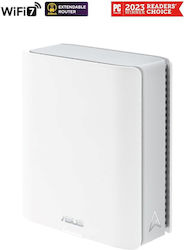
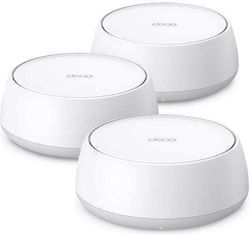
Modems / Routers με Wi‑Fi 7

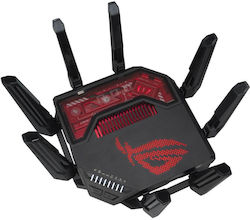


Συνοπτικά, το Wi-Fi 7 διασφαλίζει ότι, είτε παίζετε ένα παιχνίδι, είτε κατεβάζετε ένα μεγάλο αρχείο, είτε παρακολουθείτε 4K, όλες οι συσκευές στο δίκτυό σας θα λειτουργούν με την μέγιστη δυνατή ταχύτητα και σταθερότητα.
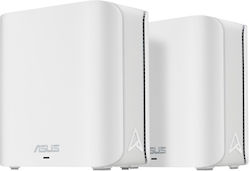
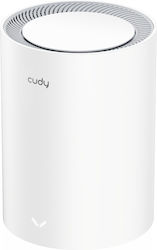
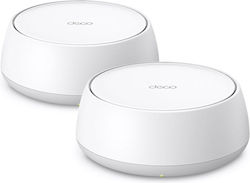
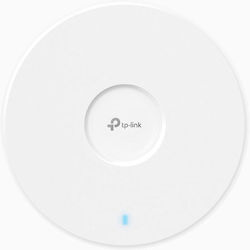
Access Points με Wi‑Fi 7








Άφησε πρώτος το σχόλιό σου!