

Ενεργειακή ετικέτα Ψυγείων: Πώς να τη διαβάσεις σωστά!
Η ενεργειακή ετικέτα αποτελεί έναν από τους σημαντικότερους παράγοντες (αν όχι το σημαντικότερο), κατά την αγορά ενός ψυγείου (αλλά και οποιασδήποτε άλλης ηλεκτρικής συσκευής), καθώς δείχνει πόσο ρεύμα θα καταναλώνει, άρα και τα μακροπρόθεσμα έξοδα που θα έχεις. Το ψυγείο καταναλώνει από τη φύση του το περισσότερο ηλεκτρικό ρεύμα σε ένα νοικοκυριό, μιας και είναι η μοναδική ηλεκτρική συσκευή που δουλεύει ακατάπαυστα, σχεδόν καθ' όλη τη διάρκεια του έτους. Συνεπώς, ο αποδοτικός τρόπος λειτουργίας του, από άποψη κατανάλωσης ρεύματος, αναμένεται να αποτελέσει βασικό κριτήριο επιλογής.
Η ενεργειακή ετικέτα, λοιπόν, αποτελεί μια υποχρεωτική επισήμανση που δείχνει:
- Πόσο αποδοτικό είναι ένα ψυγείο
- Τι κατανάλωση ενέργειας έχει σε ετήσια βάση
- Το μέγεθος και τη χωρητικότητα σε ψύξη και κατάψυξη
- Το επίπεδο θορύβου του
Από το 2021, η νέα ενεργειακή ετικέτα της ΕΕ έχει απλοποιηθεί και ισχύει για όλες τις μεγάλες συσκευές.
Παρακάτω μπορείς να δεις πως μοιάζει μία τέτοια ετικέτα και πως να την αποκωδικοποιήσεις:

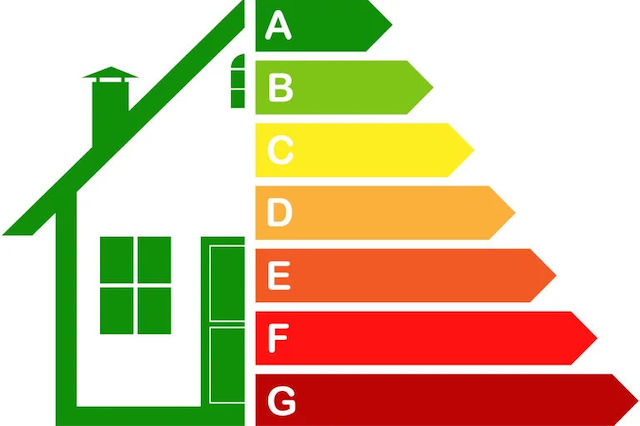
1️⃣ Κλίμακα ενεργειακής απόδοσης (A έως G)
Η κλίμακα ενεργειακής απόδοσης δείχνει τις τιμές ενεργειακής κλάσης που μπορεί να πάρει μία συσκευή με την τιμή A να δείχνει υψηλότερη απόδοση, άρα πολύ πιο οικονομικό ψυγείο και την τιμή G να δείχνει τη χαμηλότερη δυνατή απόδοση, άρα πολύ πιο ενεργοβόρα συσκευή.
2️⃣ Ενεργειακή κλάση
Η τιμή της ενεργειακής κλάσης δείχνει το πόσο αποδοτική είναι η συσκευή. Με βάση τη νέα ενεργειακή ετικέτα, ακόμα και ένα ψυγείο με κλάση "Β" ή "C" μπορεί να είναι εξαιρετικά αποδοτικό, δεδομένοι ότι η νέα κλίμακα είναι πολύ πιο απαιτητική.
3️⃣ Ετήσια κατανάλωση ενέργειας (kWh/έτος)
Αυτή η τιμή δείχνει πόσες κιλοβατώρες καταναλώνει το ψυγείο σε 1 έτος και με τον αντίστοιχο τιμοκατάλογο από τον πάροχο ενέργειας μπορείς να υπολογίσεις κατά προσέγγιση πόσα χρήματα θα ξοδέψει η συσκευή σου σε ένα έτος. Για παράδειγμα, αν η kWh κοστίζει 0,20€ και η συσκευή έχει ετήσια κατανάλωση ενέργειας 150 kWh/έτος θα ξοδέψεις περίπου 30€ τον χρόνο.
✅ Χρήσιμο για να συγκρίνεις μοντέλα ίδιας κατηγορίας!
4️⃣ Χωρητικότητα κατάψυξης & 5️⃣ συντήρησης
Στην ενεργειακή ετικέτα μπορείς να διακρίνεις χωριστά τη χωρητικότητα για τη συντήρηση και την κατάψυξη, ώστε να επιλέξεις την κατάλληλη συσκευή με βάση τις ανάγκες σου. Η χωρητικότητα της συντήρησης είναι συνήθως μεγαλύτερη από αυτή της κατάψυξης, καθώς οι ανάγκες σε ψύξη είναι περισσότερες.
6️⃣ Επίπεδο & κλάση θορύβου
Τέλος, μπορείς να εντοπίσεις το επίπεδο θορύβου, το οποίο μετριέται σε ντεσιμπέλ (dB). Τιμές κάτω από 40db, καθιστούν το ψυγείο αθόρυβο. Το επίπεδο θορύβου, συνοδεύεται και από την κλάση θορύβου, η οποία μπορεί να πάρει τιμές από A (ήσυχο) έως D (θορυβώδες).
Παρακάτω μπορείς να δεις έναν πίνακα με ενδεικτικές τιμές και τι σημαίνουν:
➡ Χρήσιμες συμβουλές & tips
- Δεν χρειάζεται το ψυγείο να έχει ενεργειακή κλάση Α για να είναι αποδοτικό. Η νέα κλίμακα είναι πολύ αυστηρή.
- Σύγκρινε διαφορετικά ψυγεία μεταξύ τους με βάση την ετήσια κατανάλωση ενέργειας (kWh/y). Έτσι θα έχεις πιο ξεκάθαρη εικόνα, αφού δείχνει την πραγματική κατανάλωση.
- Έλεγξε και τις χωρητικότητες (επιμέρους & συνολική), καθώς πολλές φορές οι ενεργειακές διαφορές οφείλονται στο μέγεθος.
- Προτίμησε ψυγείο με inverter μοτέρ, καθώς ρυθμίζει αυτόματα την ισχύ λειτουργίας του, προσφέροντας πιο σταθερή θερμοκρασία, χαμηλότερη κατανάλωση ρεύματος και λιγότερο θόρυβο, ενώ συνδυάζεται με υψηλή ενεργειακή κλάση.
Αν χρειάζεσαι ακόμη βοήθεια, μπορείς να ρίξεις μια ματιά και στον αναλυτικό οδηγό αγοράς για Ψυγεία!
Σχετικά Άρθρα
Πλυντήρια Πιάτων: Αναλυτικός Οδηγός Αγοράς
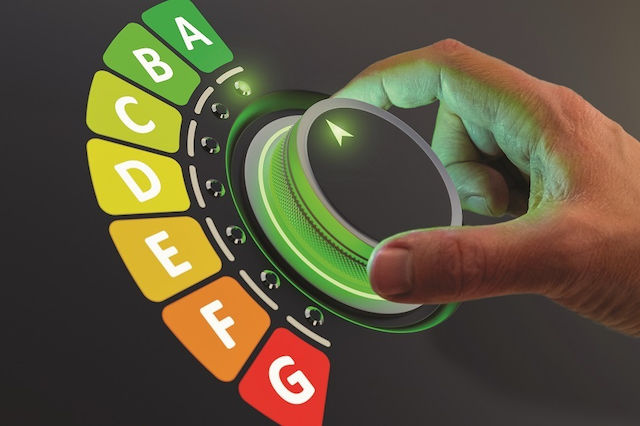
Οικιακές συσκευές: tips για αποδοτική χρήση!
Ενεργειακή ετικέτα Πλυντηρίων Ρούχων: Πώς να τη διαβάσεις σωστά!
Άφησε πρώτος το σχόλιό σου!