

Σνακ πριν & μετά την άσκηση: Τι να επιλέξω;
Οι διατροφικές συνήθειες των αθλουμένων όπως η ποιότητα της διατροφής και η
κάλυψη των αναγκών σε θρεπτικά συστατικά συσχετίζονται με την αθλητική απόδοση και
την μυϊκή αποκατάσταση. Σύμφωνα με ερευνητικά δεδομένα, ιδιαίτερα σημαντικό ρόλο
στην πορεία των αθλουμένων (σύσταση σώματος, αντοχή) διαδραματίζουν τα γεύματα που
καταναλώνονται περι-ασκησιακά, δηλαδή πριν και μετά από την άσκηση / προπόνηση.
Στο πλαίσιο μίας ισορροπημένης διατροφής, συχνά, ο στόχος είναι σε κάθε γεύμα να
συνδυάζουμε 2 ή 3 μακρο-θρεπτικά συστατικά: πρωτεΐνες (τυρί), υδατάνθρακες
(φρυγανιές), λιπαρά (ξηροί καρποί). Ωστόσο, αναφορικά με την περιεκτικότητα των προ-
και μετά- προπονητικών σνακ σε λιπαρά, τα επιστημονικά δεδομένα είναι περιορισμένα για
τα πιθανά οφέλη τους. Γίνεται λοιπόν, αντιληπτό πως τα σνακ αποτελούνται κυρίως από
πρωτεΐνες και υδατάνθρακες. Φυσικά το ποσοστό κάθε συστατικού που περιέχει το σνακ
εξαρτάται από τον σκοπό του (να δώσει ενέργεια πριν ή να αναπληρώσει ενέργεια μετά),
αλλά και από χαρακτηριστικά της προπόνησης όπως: ώρα, διάρκεια, τύπος (αερόβια ή
μυϊκή ενδυνάμωση).

Προ-προπονητικό σνακ
Το σνακ πριν την άσκηση (προ-προπονητικό ή προ-ασκησιακό) στοχεύει να δώσει επαρκή ενέργεια στον αθλούμενο, ώστε να ανταπεξέλθει στην προπόνηση με τον βέλτιστο τρόπο χωρίς να δημιουργηθεί αίσθημα δυσφορίας (πείνας ή έντονου κορεσμού). Επίσης, το προ-προπονητικό σνακ αλληλεπιδρά και με τον χρόνο αποκατάστασης και μπορεί να περιλαμβάνει υδατάνθρακες (φρυγανιές, φρούτα, κριτσίνια) και πρωτεΐνες (κίτρινο τυρί, τυρί cottage). Το ποσοστό του κάθε μακρο-θρεπτικού συστατικού, πρακτικά, σχετίζεται με το χρονικό διάστημα που μεσολαβεί μέχρι την προπόνηση. Ένα σνακ το οποίο περιέχει μόνο υδατάνθρακες (φρούτο, κριτσίνια, ψωμί με μέλι) μπορεί να καταναλωθεί ακόμα και 60’ πριν την άσκηση. Αντίθετα, όταν περιέχει πρωτεΐνες ή/και λιπαρά (π.χ. τοστ, ξηροί καρποί) συστήνεται να καταναλωθεί τουλάχιστον 120’ πριν από την άσκηση.
Μπορείς να δοκιμάσεις:
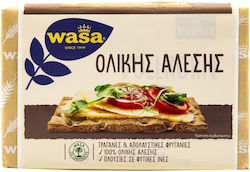
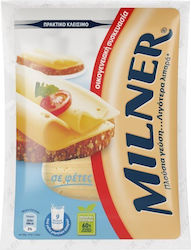
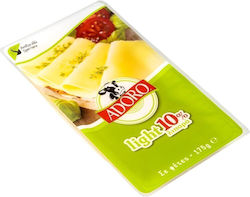
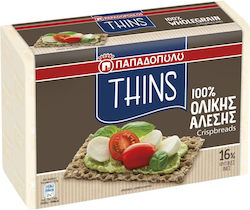
- Φρυγανιές ολικής με κίτρινο τυρί < 18% και 1 φρούτο εποχής
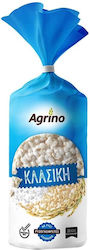
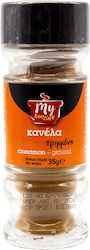
- Ρυζογκοφρέτες με τυρί cottage 4%, κανέλα και μέλι
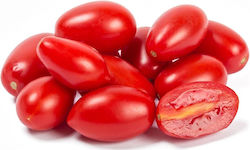
- Τοστ ολικής με κίτρινο τυρί < 18% και τοματίνια
- Ρυζόγαλο σπιτικό (ή εμπορίου με στέβια) και 6 ανάλατα ωμά αμύγδαλα
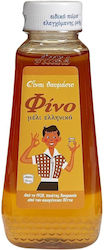
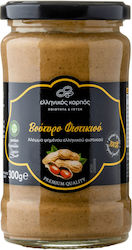
- Protein bread (εμπορίου) με 100% φυστικοβούτυρο και μέλι
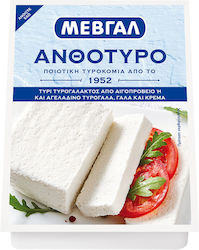
- Σπιτικό τυρόψωμο ή τυρόπιτα με τυριά χαμηλών λιπαρών < 18% (π.χ. λευκό τυρί 12%, ανθότυρο)
Βρες τα εδώ:




➡ Ειδική περίπτωση: Πρωινή προπόνηση π.χ. 07.00 - 08.00
Όταν το προ-προπονητικό σνακ είναι το πρώτο γεύμα της ημέρας, τότε στοχεύουμε να καταναλωθεί ένα γρήγορο σνακ που αποτελείται κυρίως από υδατάνθρακες, ώστε να μας δώσει επαρκή ενέργεια, χωρίς να δημιουργηθεί αίσθημα δυσφορίας.
Μπορείς να απολαύσεις τα εξής:
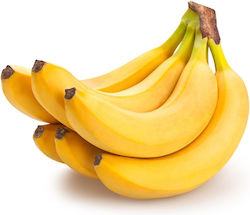
- 1 μικρή μπανάνα
- 1-2 κ. σούπας σταφίδες / cranberries
- Σπιτικό κέικ μπανάνας
- 1 μπάρα δημητριακών χωρίς ζάχαρη (εμπορίου ή σπιτική)
- 3-4 κριτσίνια χωρίς ζάχαρη ή ρυζογκοφρέτες
- 1-2 μπισκότα χωρίς ζάχαρη
Μετα-προπονητικό σνακ
Το σνακ μετά την άσκηση (μετα-προπονητικό ή μετα-σκησιακό) στοχεύει στην αναπλήρωση των πρωτεϊνών και του μυϊκού γλυκογόνου, το οποίο έχει μειωθεί ή/και εξαντληθεί (π.χ. σε προπονήσεις υψηλής έντασης > 60’) κατά τη διάρκεια της άσκησης. Συστήνεται να περιέχει πρωτεΐνες (αυγό, κίτρινο τυρί, γιαούρτι) και υδατάνθρακες (φρούτο, δημητριακά, κριτσίνια) με υψηλότερο ποσοστό πρωτεϊνών. Επιπρόσθετα, είναι ωφέλιμο να καταναλώνεται εντός 60’ από την ολοκλήρωση της προπόνησης, διότι στο χρονικό διάστημα αυτό παρατηρείται ο μέγιστος ρυθμός σύνθεσης μυϊκού ιστού και αποθήκευσης μυϊκού γλυκογόνου («καύσιμο» των μυών).
Μπορείς να δοκιμάσεις:
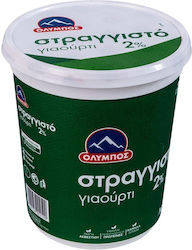
- Γιαούρτι στραγγιστό 2% με φρούτο εποχής
- Βρασμένο αυγό με τυρί cottage 4% και κριτσίνια χωρίς ζάχαρη
- Τορτίγια ολικής με ανθότυρο και βρασμένο αυγό
- Τορτίγια ολικής με τυρί cottage και καπνιστό σολομό
- Ομελέτα στο αντικολλητικό με 2 αυγά, 1 ασπράδι, κίτρινο τυρί < 18% και φρυγανιές
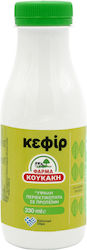
- Φρυγανιές ολικής με κίτρινο τυρί < 18 % και 1 ποτήρι κεφίρ
- Smoothies με μπανάνα, αγελαδινό γάλα 1,5% και 1 scoop πρωτεΐνης
- Πουτίγκα πρωτεΐνης με 1 μπανάνα
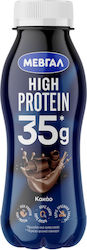
- Πόσιμο ρόφημα ή γιαούρτι (εμπορίου) πρωτεΐνης




➡ Ειδική περίπτωση: Νηστίσιμη & vegan διατροφή
Στοχεύουμε στην κάλυψη των πρωτεϊνικών αναγκών απολαμβάνοντας σνακ με εναλλακτικές πηγές πρωτεΐνης όπως:
- Smoothies με μπανάνα, ρόφημα αμυγδάλου high protein / γάλα σόγιας και 1 scoop φυτικής πρωτεΐνης (π.χ. αρακά, ρυζιού)
- Μπάρα πρωτεΐνης με φυτική πρωτεΐνη και χουρμάδες ή στέβια (εμπορίου ή σπιτική)
- Protein bread (εμπορίου) με χούμους και τόφου (προϊόν σόγιας)
- Γιαούρτι σόγιας με 1 φρούτο εποχής και σιρόπι σφενδάμου
Διευκρινίζεται πως για τον ακριβή υπολογισμό των ποσοτήτων και κατ’ επέκταση την μακροθρεπτική σύσταση (ποσοστό σε πρωτεΐνες και υδατάνθρακες) του σνακ, απαιτείται εξατομικευμένη προσέγγιση στην οποία χρειάζεται να γνωρίζουμε: τον στόχο (απώλεια βάρους ή αύξηση μυϊκής μάζας) του αθλούμενου και τα χαρακτηριστικά της προπόνησης.
Reminder: Φυσικά θυμόμαστε την ενυδάτωση! Καταναλώνουμε νερό ή/και ρόφημα με ηλεκτρολύτες κατά την διάρκεια, αλλά και μετά την προπόνηση! Πρόκειται για εξαιρετικά σημαντική υπενθύμιση ειδικά όταν η προπόνηση είναι παρατεταμένη (>60’) ή πραγματοποιείται σε υψηλές θερμοκρασίες!
Σχετικά Άρθρα
Μπορώ να έχω πατατοσαλάτα ως κύριο γεύμα;
Είναι απαγορευμένα τα ιταλικά πιάτα στη διατροφή;
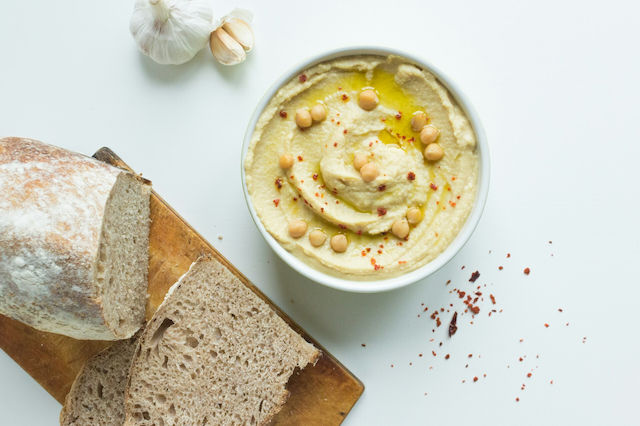
Vegan χούμους κολοκύθας
Άφησε πρώτος το σχόλιό σου!