

Buying Guide for Infant Milk
What are the best for your baby?
The choice of infant formula can be a difficult matter, both in terms of which milk is suitable for the age your baby is at, and for any special dietary needs. So, let’s take a look at everything about ready-made infant formula - also known as formula.
1. Infant formulas based on the baby’s age
Your baby’s age and stage of development determine which milk is ideal for its nutrition. Thus, infant formulas are divided into 3 main categories based on the baby’s age:
1st-stage infant formulas
This category includes, for the most part, ready-made powdered milk formulas that are intended for infants up to 6 months old. These formulas contain nutrients similar to those found in breast milk, so that the infant receives all the essential elements for its nutrition. Among other things, infant formulas contain vitamins and minerals, which play a crucial role in its smooth and complete development.
Top choices in first infant milks


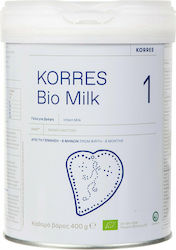


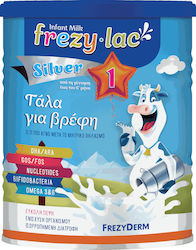
Second-stage infant formulas
Second-stage infant formulas are intended for babies from 6 to 12 months old and are either ready-made milk drinks in liquid form, or in powder form. At this stage, babies usually have started moving more and being more active, while the introduction of their first solid foods has also begun. The child's habits and needs change, so their diet needs to change as well. Thus, these formulas are enriched not only with vitamins and minerals, but also with fatty acids and carbohydrates, which play a very important role in this stage of the child's development.
Top choices in second-stage infant milk


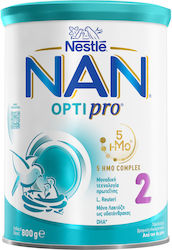


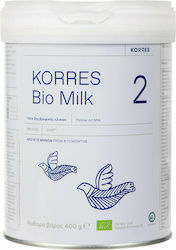
Stage 3 Infant Milks
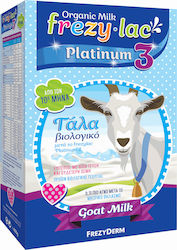
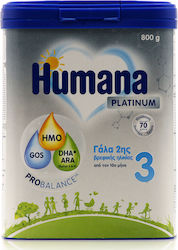
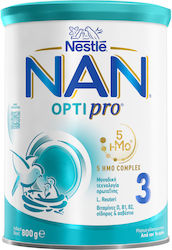
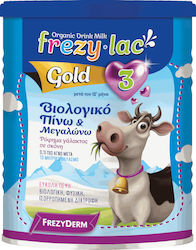
Stage 3 infant milks are also known as follow-on milks or toddler drinks and are intended for children aged 1 to 3 years. At this stage, milk is used to supplement the baby's diet, providing the necessary nutrients that support their growth and health. Stage 3 infant milks, therefore, are intended as a supplement to a varied and balanced diet that includes solid foods.
Top choices in stage 3 baby milk




2. Infant formulas based on the baby’s nutritional needs
Many babies suffer from digestive disorders, such as constipation and colic, while they often develop allergies from a very early age. For this reason, parents now have the ability to give their babies formulas that are adapted and specially processed for babies’ different needs. Let’s take a look!
Goat’s milk
Many babies develop an allergy to cow’s milk, or more correctly to the proteins in cow’s milk, which can manifest through digestive (regurgitation, constipation), skin (rashes, redness), and respiratory (coughing, difficulty breathing) symptoms. Many times it is difficult for a parent to understand that this is such an allergy, as these are very common symptoms that may be due to many factors. However, once the allergy is diagnosed, goat’s milk is the solution.
Lactose-free milk
A common form of intolerance, familiar to many adults as well, is lactose intolerance and more specifically to products that contain milk sugars. Babies who suffer from this will show symptoms such as diarrhea or constipation, bloating, gas, and general discomfort in the digestive system. Lactose-free milk is a popular choice for many parents and helps babies enjoy a smoother daily routine, without discomfort and with more appetite and energy.
Gluten-free milk
Similarly, there is also gluten intolerance, which is a protein found in wheat, barley, and rye. The symptoms it can cause in babies who suffer from it may be either digestive (bloating, diarrhea, etc.) or skin-related (rashes), while in many cases weight loss may also be observed. Gluten-free milk helps avoid these symptoms and supports a balanced diet for the baby.
No added sugar milk
Of course, for parents who wish it, there is also milk without added sugar, which is a safe choice for babies’ nutrition, as it does not contain added or processed sweeteners. These formulas are based on natural sources of carbohydrates, such as lactose, which is also found in breast milk.
Organic milk
On the other hand, organic milk is made from raw materials whose cultivation has avoided the use of synthetic fertilizers, chemicals, and hormones. This means that its consumption by the child is completely safe and the risk of occurrence of
3. Infant Formulas Based on the Baby's Special Needs
In addition to the nutritional needs we discussed above, formulas are categorized based on specific needs of babies. We usually find them as special needs formulas, which are designed and processed in such a way as to adapt to the diet of babies suffering from specific problems and discomforts, such as colic, reflux, and constipation.
But what are the special needs formulas?
- Anti-reflux formula: This is a formula in which part of the lactose has been replaced with corn starch or carob flour, thus helping to reduce reflux. It is ideal for infants with gastroesophageal reflux and weight loss or stagnation, and can also be consumed by newborns under one month old.
- Anti-colic formula: This is a specially designed formula that helps reduce digestive discomfort and gas that often cause colic in babies. It is a more easily digestible form of formula, containing special ingredients that promote the proper functioning of the digestive system and is recommended for babies with digestive discomfort or gas.
- Formula for constipation relief: This is a formula that helps regulate the intestinal function of babies, containing ingredients that facilitate stool passage and promote the proper functioning of their digestive system. It is enriched with prebiotics and fatty acids that support the development of intestinal flora and enhance bowel mobility. Ideal for babies with pain and difficulties in intestinal function.
- Hypoallergenic formula: Hypoallergenic formula is considered to be one where the milk proteins have been broken down or completely removed to reduce the risk of allergic reaction. Recommended for babies with diagnosed allergy to cow's milk proteins or other allergies and intolerances.
Find specialty milks:
Whatever your baby's needs may be, it is good to monitor the development of their eating habits, how they affect the other functions of their body, and to change milk according to the stage of development they are in, after consulting your pediatrician of course!
Relevant Articles

Baby Sterilizers: Choose the one that suits your needs

The Best Baby Sterilizers for Bottles & Pacifiers

Baby Sterilizer: Must-Have Gadget for New Parents!

Be the first to leave a comment!