

All About Zinc
Zinc is a valuable trace element for the human body, as it contributes to the normal function of the immune system, the maintenance of the normal condition of the skin, hair and nails, as well as the normal synthesis of proteins. In dietary supplements, we find the following forms:
Zinc gluconate: One of the most common forms, it is easily absorbed by the body and well tolerated by the digestive system.
Zinc sulfate: A form with a high content of elemental zinc, suitable for meeting daily needs (it is recommended to take it with a meal).
Zinc picolinate: A highly bioavailable form that is effectively utilized by the body.
Zinc citrate: A gentle form, preferred by people with a sensitive stomach.
Chelated zinc (Bisglycinate): Bound to amino acids, it offers excellent absorption and minimizes digestive discomfort.
Top zinc supplements on Skroutz:


Tips & advice for safe consumption of zinc supplements
- Consume zinc together with a light meal to avoid digestive discomfort, avoiding simultaneous intake with high doses of calcium or fiber, which may reduce its absorption.
- Do not exceed the recommended daily dose. The recommended daily intake (NRV) for adults is 10 mg (needs may vary during pregnancy/breastfeeding upon a doctor’s advice).
- Choose the form of zinc according to your personal needs (e.g., picolinate or chelated for maximum absorption, citrate for sensitive digestion).
- It pairs well with vitamin C for immune function, vitamin B6 for metabolism, or magnesium for muscle function. If you are taking prescription medications (e.g., antibiotics), consult your doctor about spacing the times of intake.
Symptoms of Zinc Deficiency VS Benefits of Zinc Intake
In which foods do we find zinc?
- Meats (beef, pork, chicken)
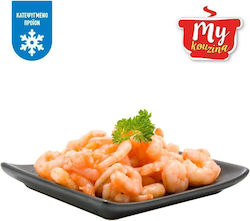
- Seafood (oysters, shrimp, crabs)
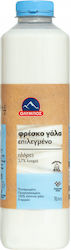
- Dairy products (milk, yogurt, cheese)
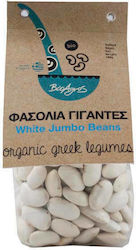
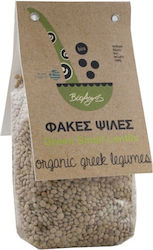
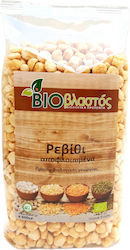
- Legumes (lentils, chickpeas, beans)
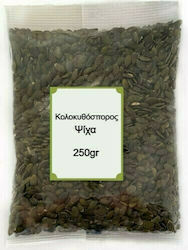
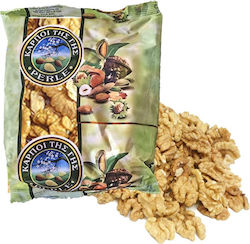
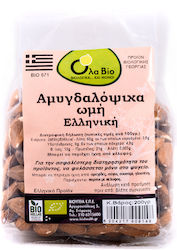
- Nuts & seeds (pumpkin seeds, almonds, walnuts)
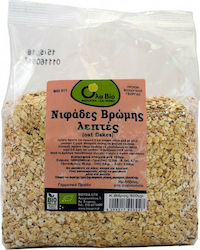
- Whole grains

-
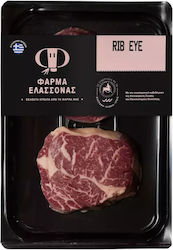
Beef 400gr
from16,99 €
-
-
-
-
-
-
-
-
-
-
“Dietary supplements do not replace a balanced diet. Do not exceed the recommended daily dose. Keep out of reach of small children. Consult your doctor if you are pregnant, breastfeeding, under medication, or have health problems.”
“Products may bear an EOF Notification Number. The Notification Number does not constitute a marketing authorization from EOF. Always check the packaging of each product.”
Relevant Articles

All About Selenium

All About Calcium
All About Iron
Be the first to leave a comment!