

All About Iron
Iron is an essential mineral involved in fundamental functions of the body. According to the European Food Safety Authority (EFSA), it contributes to the normal formation of red blood cells and hemoglobin, normal oxygen transport in the body, the reduction of tiredness and fatigue, as well as the normal function of the immune system. In addition, it supports normal cognitive function and the metabolism that helps produce energy.
Iron is found in 2 main forms:
Heme iron: It is found mainly in foods of animal origin and is known for its high absorbability by the body (approximately 15-35%).
Non-heme iron: It is found mainly in plant sources and has a lower absorption rate (approximately 2-20%).
Top iron supplements on Skroutz:


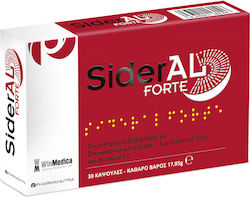


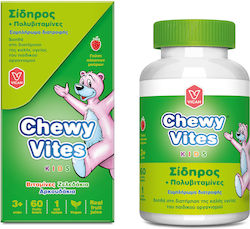


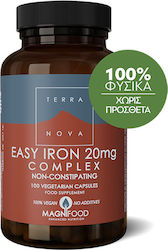
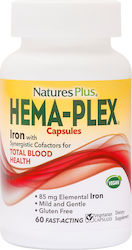
Tips & tips for safe consumption of iron supplements
- Consume iron early in the morning on an empty stomach or in combination with vitamin C for maximum absorption.
- Do not exceed the recommended daily dose. The recommended daily intake (NRV) is 14 mg for adults, while needs differ significantly for women of reproductive age (18 mg) and during pregnancy (27 mg), under a doctor’s guidance.
- Choose the form of iron according to your needs. For example, glycinate/chelated iron is particularly gentle on the digestive system, while ferrous fumarate offers a high content of elemental iron per dose.
- Combine non-heme iron with vitamin C for faster absorption, but avoid taking it at the same time as high doses of calcium, coffee, or tea, as they reduce its absorption.
Symptoms of Iron Deficiency VS Benefits of Iron Intake
Which foods contain iron?
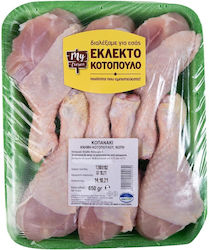
Heme Iron: Red meat (beef, lamb), poultry, fish & seafood.
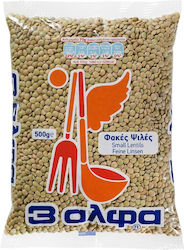
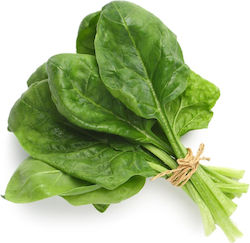
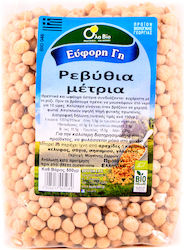
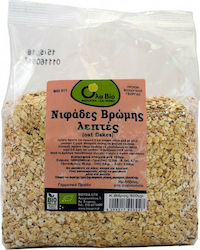
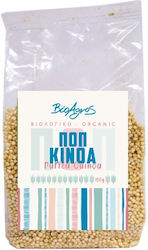
- Non-Heme Iron: Legumes (lentils, chickpeas, beans), green leafy vegetables (spinach), fortified cereals (oats, quinoa), nuts & seeds (cashews, almonds, sesame).

-
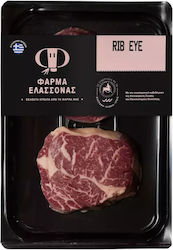
Beef 400gr
from16,99 €
-
-
-

-
-
-
-
-


“Dietary supplements do not replace a balanced diet. Do not exceed the recommended daily dose. Keep out of reach of small children. Consult your doctor if you are pregnant, breastfeeding, taking medication, or have health problems.”
“Products may bear an EOF Notification Number. The Notification Number does not constitute a marketing authorization from EOF. Always check the packaging of each product.”
Relevant Articles
All About Selenium
All About Zinc

All About Calcium
Be the first to leave a comment!