

Buying Guide for Clothes Dryers
Are you looking for a new clothes dryer? Are you confused by the many options available, or do you have no idea what features the dryer you choose should have based on your needs?
➡ Before we look at all of that, don’t forget that with a purchase through Skroutz you get:
- Free delivery to your floor (yes, even to the 5th floor).
- Free returns in case you change your mind.
- 2-year warranty for every eventuality (repair, replacement, or refund), so you can have peace of mind.
- After-sales support for anything you may need after your purchase.
In short, you buy without stress.
Now, let’s go through everything in detail, so every question gets answered!
1. Types of Dryers
Dryers are divided into 3 main types, based on the technology used to remove moisture. So, you may come across the following:
Heat Pump Dryers
These are the majority of dryers. Heat pump dryers are used to remove moisture from clothes, drying them at lower temperatures and offering lower energy consumption. They are environmentally friendly and, although they cost more to buy, over time they prove to be the more cost-effective choice.
Condenser Dryers
This type of dryer has a special container in which the moisture absorbed from the clothes is collected. Thanks to the presence of the container, there is no need for connection to a pipe, so the installation of the dryer is easier, without space restrictions.
SkroutzTip: It is a good idea to empty the container after each use, for a longer lifespan of the appliance.
Vent Dryers
This is the cheapest (and outdated) option, where moisture is removed through an outlet hose, requires a vent, and needs installation. Although such a dryer is a more economical choice to purchase, over time it is more costly, as it requires higher energy consumption.

2. Capacity
Depending on each household’s needs for drying clothes, the capacity varies from 7-10 kg. More specifically, based on the number of people in a household, we find the following options:
Dryers for 2-3 people
These are dryers with a capacity of 7-8kg, which can cover the daily needs of a couple, as well as a small family. This may mean 5-6 large bath towels or one full load for 2-3 people (4-5 pairs of pants, 8-10 shirts, a few undergarments and socks).
Of course, this option can also be used by one person on a weekly basis.
Dryers for 2-5 people
For larger families, dryers with a capacity of 9-10kg are recommended, as they can hold up to 7-8 large bath towels or an entire family wash, which may include 5-6 pairs of pants, 10 shirts, and a few undergarments and socks.
Of course, it can also be used by fewer people, with a need to dry more clothes.
SkroutzTip: It is a good idea to fill the dryer up to 2/3 of its capacity, so that there is enough space for air to circulate inside the appliance.
3. New Energy Label for Dryers
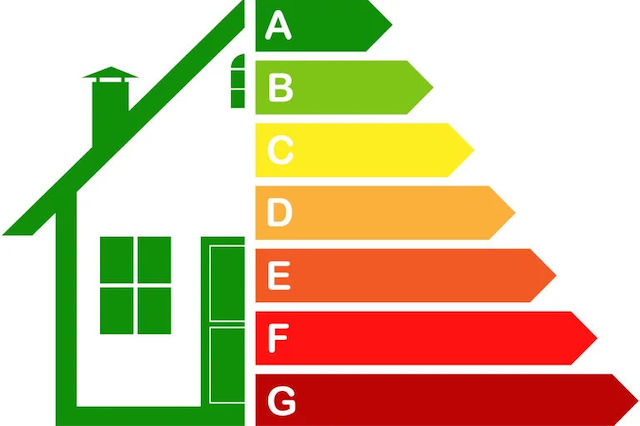
The new energy label is simpler and clearer. The old performance categories A+++ to D have been replaced by the new categories A to G, so you can more easily understand which dryer is more economical.
The method for measuring energy consumption has changed: it is now calculated per 100 operating cycles instead of per year. The label also shows the noise categories from A to D, along with the values in dB, and increases the requirements for condensation efficiency. The reference program for the labeling remains the same and is referred to as “eco”.
In short, the new label allows you to compare dryers more easily, see what they consume and how much noise they make.

4. Extra features & functions
- Dryers with drain connection offer the possibility of direct connection via hose for the discharge of condensate, which can be placed either in the siphon or a nearby drain, similar to a washing machine. They provide convenience and uninterrupted use, require less frequent maintenance, and perform automatic drainage. Many heat pump dryers and some condenser dryers support this function.
- Dryers with self-cleaning condenser offer great convenience in use and maintenance, ensuring that the condenser remains clean without you having to do anything. How does it work? The self-cleaning system uses water from the drying cycle itself and removes lint and other residues that may have been trapped in the condenser filter. This function is mainly found in high-tech heat pump dryers.
- Most dryers have a delayed start option, allowing you to set the start time of the cycle according to your needs and schedule. This feature can be used to operate during off-peak hours, offering savings and lower costs. Also, you can set your program as it suits you, so your clothes are ready as soon as you get home, without staying in the drum for too long and getting wrinkled.
- Finally, dryers with smart functions offer a wide range of connectivity and automation options, via control from a smartphone or tablet. Among other things, you can remotely control and schedule the dryer, monitor the drying cycle and receive relevant notifications, set automated functions for optimal drying results, as well as know when your device needs maintenance.
5. Placement
Most dryers have specific dimensions, with the height ranging at 85cm, the width at 59-60cm, while the depth may vary (but it does not affect the placement much). A dryer can be placed on the floor, next to the washing machine, or anywhere else there is available space. However, the most popular placement option, which also offers space-saving, is on top of the washing machine.
SkroutzTip: The dryer should be placed on top of the washing machine, as it is a lighter appliance.
For proper placement, the following basic conditions need to be met:
- The two appliances should have the same or similar dimensions. In width, they can have a deviation of just 1-2 centimeters - a larger deviation may cause malfunction of the appliances and reduce safety. In depth, they can have a slightly larger deviation, around 5 centimeters. While the height does not play such a role, only the total height - after placement, so that access to the dryer is easy and it is not too high.
- There should be a stable placement surface. The washing machine should be placed on a stable and level floor for maximum stability of both appliances. Otherwise, there is a risk that the two appliances may move during operation, leading to unsafe use.
- The placement should be done using a special connecting base. This base ensures safe and stable placement, without one appliance affecting the operation of the other.

Top choices for dryer-to-washing-machine connection bases


6. Maintenance & Cleaning
We may have left it for last, but the maintenance and cleaning of the clothes dryer play an important role in both the performance and the lifespan of the appliance. Let's see below how you can achieve this.
Tips & advice for proper maintenance and regular cleaning:
- Clean the lint filter after each cycle for better airflow and reduced energy consumption. Remove the filter from the appliance and rinse it with lukewarm water until lint and residues are removed.
- For dryers with a condenser, clean it every 1-3 months, depending on how often you use the appliance (more frequent use-more frequent cleaning). Remove the condenser and rinse it with lukewarm water. * If the dryer has a self-cleaning condenser, just make sure it works properly and doesn't need additional cleaning.
- Also, for dryers with a condenser, empty and clean the water collection tank after each cycle to avoid overflow. If the dryer has a drainage connection, prefer it for less maintenance.
- Clean the drum and the external parts of the dryer every 1-2 months, depending on usage. Use a soft cloth and either a mild detergent or some baking soda with vinegar to polish the appliance and remove any dust and residues.
- The daily use you make of the dryer also plays a role in extending its lifespan. Avoid overloading the appliance, which can lead to overheating and reduce its expected lifespan.
- Don't skip a good check-up by a professional every 1-2 years or when the dryer shows signs that it needs maintenance (loud noise, delayed heating).
Don't forget! By taking into account the above individual characteristics and combining those that suit your needs, you can arrive at the ideal choice for you. Before deciding, you can also take a look at the reviews of other users, to see their opinions and experiences, which can help you reach a final decision much more easily.
You can also see the detailed guide below:
Interested in buying a new washing machine too? Read the detailed buying guide for washing machines!
Finally, you can also take a look at the guide with the top choices for clothes dryers, where you’ll find the best options based on user feedback.
Relevant Articles

The best washing machines
Washing Machine Energy Label: How to Read It Correctly!
Dishwasher: 7+1 Mistakes You Should Avoid!
Be the first to leave a comment!