

Supplements: What is the ideal time to take them?
Learn everything about the proper intake of vitamins, minerals & supplements!
Many people choose to take their vitamins and dietary supplements in the morning. However, taking certain vitamins and minerals on an empty stomach or with just a coffee can cause mild stomach discomfort.
In most cases, it is recommended to take them with a meal that contains healthy fats, to help absorption and minimize stomach irritation. This is especially important for fat-soluble vitamins (A, D, E, and K).
Let’s take a detailed look at the appropriate time to take each category:

In the morning
- Iron: Iron helps reduce fatigue and supports the transport of oxygen in the body. It is best taken in the morning, avoiding simultaneous consumption of coffee or tea, as caffeine and tannins can reduce its absorption.
- B-Complex and Vitamin C: These water-soluble vitamins contribute to the normal function of metabolic processes aimed at energy production. Taking them in the morning is ideal. Vitamin C can also be divided into smaller doses throughout the day.
- Vitamin E: As a fat-soluble vitamin that helps protect cells from oxidative stress, vitamin E is better absorbed when taken with a meal containing fats (e.g. yogurt, nuts, avocado).
- Co-Q10: It is recommended to take it late in the morning or at midday with a meal. Since it may affect alertness, it is preferable to avoid taking it late at night.
You'll find everything here:
-
 Iron
Iron
-
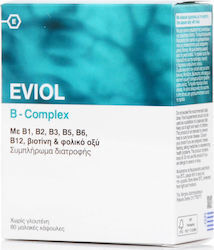 B-Complex
-
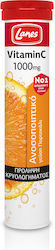 Vitamin C
-
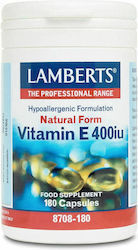 Vitamin E
-
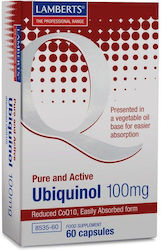 Co-Q10

At midday or in the afternoon
- Zinc: Contributes to the normal function of the immune system. To avoid nausea, it should not be taken on an empty stomach. It is recommended to avoid taking it at the same time as iron or high doses of calcium.
- Vitamin D and Vitamin K: Contribute to maintaining normal bone health. Taking them with lunch ensures optimal absorption due to the presence of fats.
- Fish oils: The fatty acids EPA and DHA contribute to the normal function of the heart (with a daily intake of 250mg). They are absorbed more effectively when taken with a main meal.
- Herbal preparations: If they are in capsule form, they are usually taken after food, while in liquid form 15-30 minutes before. Preparations containing standardized extracts (e.g. green tea) are preferably taken in the morning or at midday.
You'll find everything here:
-
 Zinc
Zinc
-
 Vitamin D
-
 Vitamin K
-
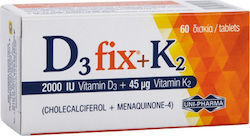 Vitamins D3 + K2
-
 Fish Oils
-
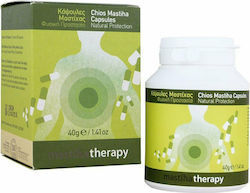 Herbal Supplements


At night
- Calcium and magnesium: Calcium and magnesium contribute to the normal function of muscles and the nervous system, as well as the maintenance of normal bones. Taking them at night supports normal muscle relaxation.
- Probiotics: It is recommended to take them according to the instructions on the package, often before a meal or before bedtime on an empty stomach, to reduce interaction with digestive fluids.
You'll find everything here:
-
 Calcium
-
 Magnesium
-
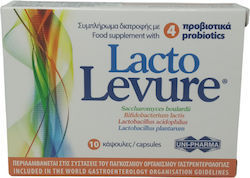 Probiotics

Multivitamins
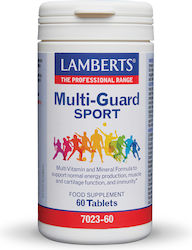
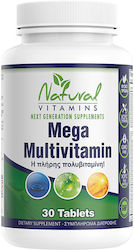
The intake of a multivitamin depends on your daily needs. Regardless of the time, it is recommended to always take it with food to avoid digestive discomfort.





General guidelines for taking vitamins
Take supplements during or after a meal, and drink plenty of fluids, because they contain concentrated ingredients that “burden” the liver.
Do not exceed the recommended doses. A safe dose of a vitamin should not exceed the recommended daily dose. Take them according to the product instructions or the recommendations of your doctor or pharmacist.
Some dietary supplements may interact with prescription medications. Read the packaging carefully and always ask your pharmacist for advice.
Do not take dietary supplements and vitamins uncontrollably without the approval of your doctor or pharmacist.
Make sure to store dietary supplements in a cool, dry, and dark place, away from children.
Dietary supplements do not replace a balanced diet. Do not exceed the recommended daily dose. Keep out of reach of small children. Consult your doctor if you are pregnant, breastfeeding, taking medication, or have health problems.
Products may bear an EOF Notification Number. The Notification Number does not serve as a marketing authorization from EOF. Always check the packaging of each product.
Relevant Articles

Protein Supplements: Find the Right One for You!

All About Selenium
All About Zinc

Be the first to leave a comment!