

Learn everything about vitamins and their effects!
Vitamins are the foundation for maintaining our health and well-being, as they participate in many important bodily functions. From improving energy and boosting the immune system to protecting cells and supporting bone health, each vitamin plays its own unique role.
This guide will help you understand the different vitamins, their importance, and how to choose those that best suit your personal needs.
What are vitamins?
They are organic chemical compounds that are essential for the normal growth and maintenance of our body. However, since our body cannot synthesize them, we obtain them through our diet. In cases where our diet is not sufficient to meet the necessary amounts of vitamins, we obtain them through supplements.
They are classified into 2 categories, the water-soluble vitamins (C and B-complex vitamins) and the fat-soluble vitamins (A, D, E, K), which are absorbed through the fats in the diet.
Water-soluble vitamins & their benefits
- B-Complex: It is a group of B-complex vitamins, which includes 8 water-soluble vitamins that are essential for many functions of the body.
The 8 Vitamins of B-Complex:
- Vitamin B1 (Thiamine): Helps convert food into energy and supports the function of nerves and muscles.
- Vitamin B2 (Riboflavin): Important for energy production, cell growth, and the health of the skin and eyes.
- Vitamin B3 (Niacin): Contributes to the normal function of the nervous system and the maintenance of mucous membranes.
- Vitamin B5 (Pantothenic acid): Essential for the synthesis of coenzyme A, which plays an important role in the metabolism of fats and carbohydrates.
- Vitamin B6 (Pyridoxine): Supports protein metabolism and the function of the nervous system. It also contributes to the production of hemoglobin.
- Vitamin B7 (Biotin): Helps in the metabolism of fatty acids and in maintaining the health of hair, skin, and nails.
- Vitamin B9 (Folic acid): Important for DNA production and cell division, especially during pregnancy.
- Vitamin B12 (Cobalamin): Contributes to the normal function of the nervous and immune systems and to the formation of red blood cells. It is an important supplement for people following a strict vegetarian diet.
- Vitamin C: Contributes to the normal function of the immune system, the protection of cells from oxidative stress, the reduction of fatigue, and the normal formation of collagen for the function of the skin, blood vessels, and bones. It also increases iron absorption.
-
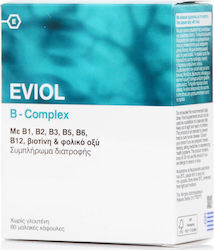 B-Complex
-
 Vitamin B7 (Biotin)
-
 B12
B12
-
 Vitamin C
-
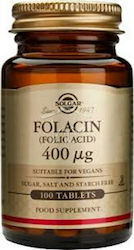 Vitamin B


Fat-soluble vitamins & their benefits
- Vitamin A (retinol): It is essential for proper vision function and contributes to maintaining healthy skin by promoting cell renewal and collagen production.
- Vitamin D: Helps the body absorb calcium and phosphorus, which are essential for maintaining the health of bones, teeth, and muscles. It also plays an important role in the proper functioning of the immune system, reducing the risk of infections and inflammation. Vitamin D is produced by the skin through exposure to sunlight (UVB radiation) and can be found in certain foods and dietary supplements. It is distinguished into two main forms: vitamin D2 (ergocalciferol) and vitamin D3 (cholecalciferol), which, although they perform the same basic function, come from different sources.
- Vitamin D3: Vitamin D3, also known as cholecalciferol, is the most active form of vitamin D. It is vital for maintaining calcium homeostasis in the body and bone health, as it facilitates calcium absorption from the intestine and contributes to its reabsorption by the kidneys. D3 is also found in animal-based foods, such as fatty fish (salmon, mackerel), fish oil, liver, and egg yolks. D3 is more potent than vitamin D2, as it increases vitamin D levels in the body more effectively and remains in the blood longer.
* Both forms are generally referred to as “vitamin D,” but D3 is generally considered more effective at increasing and maintaining vitamin D levels in the body.
- Vitamin E: It has antioxidant action, helping protect cells from oxidative stress, as well as supporting the health of the skin and hair.
- Vitamin K: It is one of the most important fat-soluble vitamins and has been identified as an essential nutrient for blood clotting. It plays a crucial role in calcium metabolism, the main mineral found in bones and teeth. According to studies, people who consume large amounts of vitamin K through food or dietary supplements have stronger bones and are less likely to suffer a bone fracture in their lifetime.
- Combination of D3 and K2: The combination of these two vitamins is particularly effective, as they work together to ensure proper calcium management in the body. D3 helps calcium absorption from the digestive system, while K2 directs it to the right places, such as the bones, and prevents calcium deposition in arteries and other soft tissues, where it can cause problems.
-
 Vitamin A
-
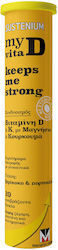 Vitamin D
-
 Vitamin D3
-
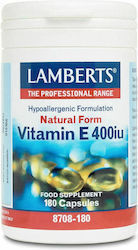 Vitamin E
-
 Vitamin K
-
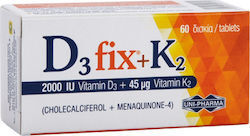 Vitamins D3 + K2


Other types of vitamins
-
Royal Jelly
This is a creamy substance produced by bees. It is rich in vitamins, mainly from the B complex, while vitamins C, E, A and D are also found. Royal jelly offers natural stimulation, while supporting physical well-being and enhancing the body's vitality. Many people use it for better physical as well as mental performance.


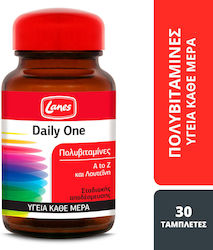
- Multivitamins: Multivitamins are dietary supplements that contain a combination of various vitamins and minerals. They are designed to meet the body's needs for nutrients that may not be adequately obtained from the diet. They usually include a broad range of vitamins (such as A, B, C, D, E, and K) and minerals (such as calcium, magnesium, zinc, iron), as well as other nutrients that are essential for health. They support the immune system, bone and dental health, and also help reduce fatigue.


Dietary supplements should not be used as a substitute for a balanced diet. The products presented in this article are not intended for the prevention, treatment, or cure of human disease. Consult your doctor or pharmacist before use!
Relevant Articles

Buying Guide: Fatty Acid Supplements

All About Selenium

All About Zinc

Be the first to leave a comment!