

Home appliances: tips for efficient use!
Useful tips before and after purchase for maximum performance and convenience.
The use of electrical household appliances can often be costly in terms of both energy and money. However, with simple steps, you can reduce energy waste, lower your electricity bills, and extend the life of your household appliances! Let's take a look at tips for each appliance.
Cooling & freezing
Cooling appliances, such as the refrigerator, the freezer or a wine cooler, are appliances that consume a large percentage of energy in a home. With simple ways, you can create the right conditions so that you improve the performance of these appliances and minimize waste.

- Set it to the right temperature: A good temperature for cooling is 3–4°C, while for freezing -18°C is ideal. Colder temperatures in both cases consume much more energy, while they do not offer anything extra to the products. On the contrary, they can be harmful to sensitive foods, such as vegetables.
- Place the refrigerator in a cool, shaded place: It is best to position the refrigerator strategically, away from other appliances that emit heat, such as the stove or the microwave oven. It is also advisable to avoid direct sunlight, for a longer lifespan of the appliance.
- Make sure it is full, but not overloaded: Certainly, an overloaded refrigerator needs more energy to preserve food. Strange as it may seem, however, an empty refrigerator for long periods can cause damage and problems, which will lead to the need for a new one very soon. For smooth operation, keep your refrigerator full, but just enough!
- Defrost frequently: In case your refrigerator is old and needs defrosting, do not neglect to do it, at least with every change of season or if the ice exceeds 6mm. If we caught you in time and you are reading this article before buying a new refrigerator, then the first tip we will give you is to look for refrigerators with No Frost technology, with which you will never need to defrost again!
Top choices in No Frost refrigerators:





- Close the door: One of the most common mistakes we all make is standing in front of the refrigerator with the door open and staring at its interior "for hours." It won't talk to you or answer the question "what will we eat today." So, before you open the refrigerator or freezer, it's good to have thought about what you need, take it, and close the door well to lose as little cooling as possible.
- Use the smart features: If it is a device with smart capabilities and functions, then you should make use of them. You can create a shopping list for the supermarket, control the products inside the device, or remotely adjust the temperature, all this and much more without having to open the device's door.
Top Wi-Fi Refrigerator Picks:


Washing & drying clothes
The list of high-consumption appliances naturally also includes the washing machine, the dryer, and the washer-dryer. These are not appliances with continuous energy consumption, but their improper use can lead to energy loss. Let’s take a look at some tips for efficient use.

- Wash/dry the required amount: Try not to overload the appliances, but also avoid running them with only a few clothes, as this wastes energy and costs you money. If you still need to wash or dry a small amount of clothes, adjust the water level accordingly, as well as the washing time.
- Wash with cold water or low temperature whenever possible: Washing at low temperatures or even better with cold water consumes significantly less energy compared to washing at high temperatures.
- Set to high spin speeds for fabrics that allow it: Clothes such as towels can be washed at high spin speeds, so they require as little drying as possible.
Top choices in washing machines with high RPM:


- Clean it often: Both the washing machine and the dryer are appliances that need frequent maintenance and cleaning. Clean the washing machine filter and run an empty wash with special washing machine cleaner or with vinegar and baking soda, once a month. For the dryer, it is enough to clean the lint filter before each wash.
Top choices in dryers with self-cleaning condensers:


- Air out the clothes: On days when you have the opportunity to hang and air out the clothes, prefer this over putting them in the dryer.
Dishwashing
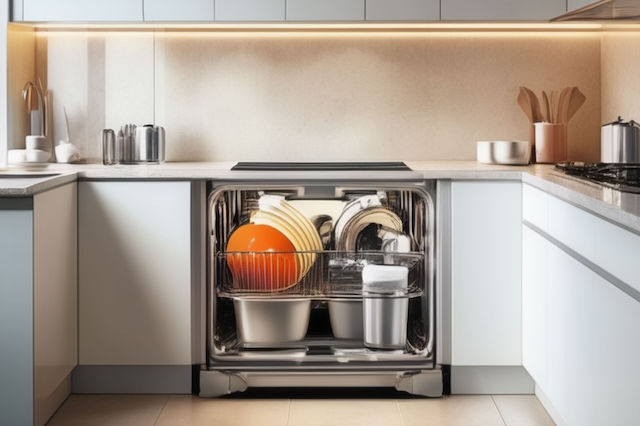
Dishwashing is a controversial matter. Many argue that hand washing is a waste of time, water, and money, while washing with a dishwasher causes significant energy consumption. How can you reduce this consumption and make dishwashing more efficient?

- Wash with a full dishwasher: Try to fill the dishwasher before each wash for optimal energy consumption. If you have a newer model dishwasher, look for the half load program - which means half full. This is a program that can wash half the amount of dishes that the dishwasher can hold, adjusting the time, water amount, and energy consumption.
- Let the dishes dry naturally: Avoid high temperatures and programs with an intensive drying cycle. If your device is smart, then you just need to set the time you want the wash to finish, so you can open the door and let the dishes dry on their own.
Top Picks for Wi-Fi Dishwashers:


- No need to rinse the dishes: As difficult as this "bad habit" may be, dishwashers now allow you to put in dishes that are only half dirty, without having to scrub or soak them beforehand. Simply run them under a little water and place them directly in the dishwasher.
- Clean it often: Like all appliances, it needs good cleaning and maintenance, since food residues can often get trapped in hard-to-reach places. Use special cleaners for dishwasher maintenance once a month and you will ensure a longer lifespan for your appliance.
Kitchen & cooking
Cooking is another process that can cause energy loss in a home. With the proper use of appliances such as the oven, the hobs or the extractor hood, you can reduce consumption, improve your electricity bills and cook faster and more efficiently.

- Choose the right cookware size for your burners: Use each pan or pot according to its size on the appropriate burner. For optimal energy consumption, do not use smaller cookware on larger burners. If you have or are thinking of buying induction hobs, then you have solved this problem, since this type of hob provides heat only to the surface covered by each pan or pot.
Top Choices in Induction Hobs:


- Preheat your oven only when necessary: There's no need to preheat the oven for hours and for all types of food. Try to do it only when it's really necessary. If you want to heat up some food, make sure to take it out of the fridge and let it reach room temperature. This way, it will heat up faster and you'll consume much less energy.
- Don't open and close the oven door frequently: Most ovens nowadays allow you to monitor the progress of your food since they have a glass door. Therefore, there's no need to open it constantly.
- Turn off the burners a little earlier: For optimal energy consumption, try to turn off the stove burners 2-3 minutes before your food is fully cooked. Then, leave the pot with the food on the burner to simmer with the residual heat, without wasting any energy.
- Choose the appropriate extraction power for your space: If you are looking for a range hood, try to find the right one for the size of your space. The larger your space, the greater the extraction power your range hood needs to have.
-
 Low Suction Power Hoods
-
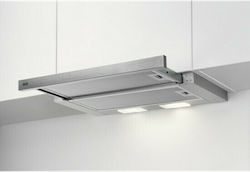 Hoods with Medium Suction Power
-
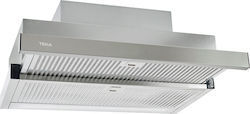 High Suction Power Extractors

- Set the extractor fan to low speed: Try to avoid using the extractor fan at high or intensive speed for a long time, as a lot of energy will be wasted. Prefer a gentler speed and choose to open a window to adequately ventilate the space.
General Tips
- If you are going to buy a new device, prefer one with the highest possible energy class. These devices can manage energy better on their own and have features and capabilities that can optimize each task.
- Choose to use your household appliances during off-peak hours. Many energy providers offer this option, suggesting specific hours late at night or early in the morning.
- Maintain your devices according to the manufacturers' instructions. This way, you ensure their efficiency and enhance their lifespan.
Relevant Articles
The Best Kitchens & Ovens on the Market
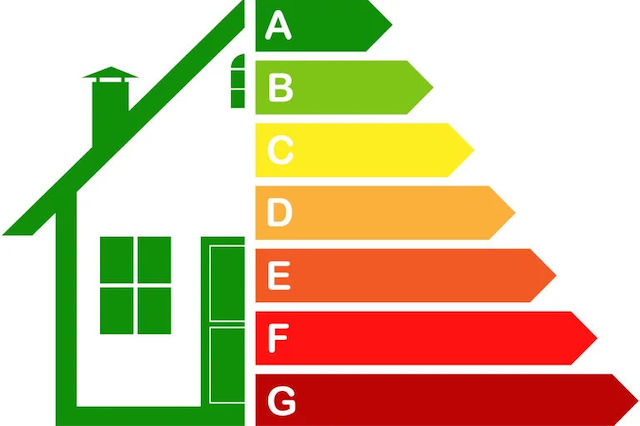
Washing Machine Energy Label: How to Read It Correctly!
Kitchen Hood Buying Guide
Be the first to leave a comment!