

Guide to Home Fire Protection
Do you know how you can achieve better home fire safety, especially during the summer months?
The term fire protection includes all the measures taken to protect against fire. Fire protection is considered particularly important, not only for the months when the temperature rises sharply, but also for the rest of the year.
Types of fire protection
- Active: refers to the means installed in a building that help in the timely detection of a fire and/or in its immediate response before it becomes uncontrollable.
- Passive: ensures the timely and safe evacuation of people from the building and also prevents the spread of fire to other areas or buildings.
5 basic steps to protect your home from fire
1. Smoke detection in critical areas
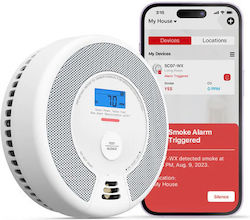
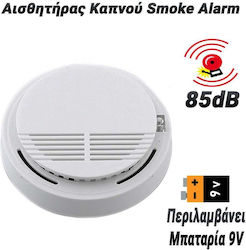
Smoke detectors are small devices that are constantly operating and trigger an alarm when they detect smoke or fire. They offer protection 24/7.
2. Fire extinguisher placement
What are the two main types of fire extinguishers?
There are two main types of fire extinguishers: stored pressure and cartridge-operated.
Which fire extinguisher should you get?
Choose a fire extinguisher based on:
the use of the specific space
the material of the items you want to protect
the extinguishing agent of the fire extinguisher
Fire Extinguishers


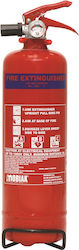


For example, in a kitchen it is more likely to cause a fire during cooking. Therefore, instead of using a water fire extinguisher that will intensify the fire, prefer an ABC dry powder fire extinguisher or ideally a Wet chemical F class fire extinguisher.
Similarly, in a room with sensitive and valuable objects, the use of a carbon dioxide fire extinguisher would be safer, as it does not leave harmful residues for devices such as computers and stereos.
Fire extinguishers by fire type
3. Installation of an integrated fire protection system
There are two main categories of fire detection systems: standalone fire detection systems and supplementary fire detection systems.
- If you choose a standalone system, remember that the proper selection of the points where a fire detector will be installed is important and must be strategically chosen to detect the fire as soon as possible.
- Fire detection systems are installed as supplementary equipment to a security system with alarms and cameras, and are connected to the alarm. Thus, when they detect fire, the alarm starts sounding.
Fire Detection Systems
Fire Alarm Systems





Fire Suppression Systems
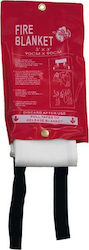
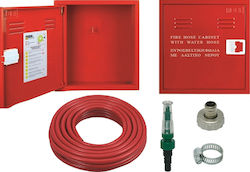
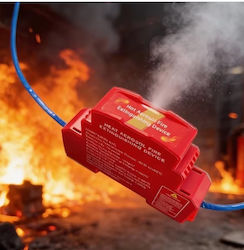
A fire suppression system consists of a suppression control panel and various devices interconnected to it (fire detectors, activation and reset button, beacon siren, etc.), which aim to detect and address a fire outbreak as quickly as possible.
Fire Extinguisher Systems
-
-
-
-
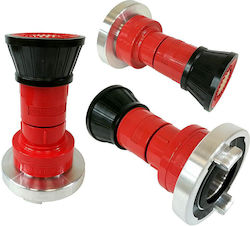
Hose Diameter 1"
17,18 €from12,38 €
-
-

-

-
-
-


4. Install a door made of fire-resistant materials
Fire-resistant doors, also known as fire safety doors, keep fire away from a space and provide valuable time for a safe escape.
5. Finally, test a preventive home evacuation plan in case of fire
Plan the route you will follow to get out. It is better to use the one you use to enter and exit the house.
Also plan a second route in case the first one is blocked. Consider the possibility of exiting through a window.
Leave the keys in the doors or windows so you do not waste time looking for them in the event of an evacuation.
If a person with mobility problems lives in the house, you must be ready to offer help at the critical moment.
Train all family members on the plan.
More protection instructions here.
The safety of your car is equally important. Don't forget to get a fire extinguisher for your car!


Relevant Articles

Buying Guide: How to Choose the Right Door Eye
CCTV Systems Buying Guide

The best surveillance cameras on the market

Be the first to leave a comment!