

Μάρσιποι: Οδηγός Αγοράς για νέους γονείς
Πώς φοριέται ο μάρσιπος & γιατί να τον χρησιμοποιήσεις; Πότε ο μάρσιπος κοιτάει μπροστά; Babywearing, Ring Sling, Mei Tai ή Wrap;
Απορίες και άγνωστες λέξεις ξεδιπλώνονται μπροστά σου;
Μην ανησυχείς! Σε αυτόν τον οδηγό αγοράς θα απαντήσουμε στα βασικά σου ερωτήματα και θα σου δώσουμε tips, που θα σε βοηθήσουν να κάνεις την κατάλληλη επιλογή.


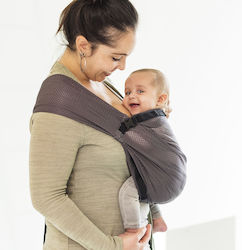


Η επιλογή
Σημαντικό ρόλο παίζει ο τύπος μάρσιπου που θα επιλέξεις, ο οποίος θα πρέπει να ανταποκρίνεται τόσο στις δικές σου ανάγκες όσο και στου μωρού (ηλικία, βάρος και τυχόν θέματα υγείας).
Πριν προχωρήσεις σε αγορά, σου προτείνουμε να συμβουλευτείς τον παιδίατρό σου, ειδικά αν υπάρχουν λόγοι για τους οποίους θα πρέπει να αποφύγεις τη χρήση του.
Υπάρχουν 4 βασικοί τύποι μάρσιπου.
1. Κλασικός Μάρσιπος
Διαθέτει λουριά για τους ώμους και αναπαυτικό «καθισματάκι» για το μωρό. Φοριέται είτε μπροστά στο στήθος, είτε στην πλάτη. Όταν το μωρό είναι μικρό θα πρέπει να κοιτάζει στο στήθος σου και όταν, πλέον, θα μπορεί να στηρίξει το κεφαλάκι του, περίπου 6 μηνών, τότε θα μπορεί να είναι σε θέση που κοιτάζει και προς την άλλη μεριά.
Πλεονεκτήματα
Είναι σε σχήμα τσάντας, που είναι βολικό όταν είσαι έξω πολλές ώρες, ενώ φοριέται και μπροστά και στην πλάτη!
Χαλαρώνοντας λίγο τα λουριά και κατεβάζοντας το μωρό στο ύψος του στήθους, μπορείς εύκολα να θηλάσεις.
Φοριέται σχετικά εύκολα, αφού μόλις καθίσει το μωρό, χρειάζεται απλά να ασφαλίσεις τα κουμπώματα.
Κάποιοι από αυτούς τους μάρσιπους έχουν μικρές θήκες, για να βάλεις μέσα την πιπίλα ή άλλα μικροαντικείμενα.
Μειονεκτήματα
Αν χρησιμοποιείται και από τους δύο γονείς, θα πρέπει κάθε φορά να προσαρμόζετε τα λουριά στα μέτρα σας.
Αν το μωρό έχει βαρύνει και κάθεται μπροστά, υπάρχει πιθανότητα να καταπονηθεί η μέση και οι ώμοι σου από το βάρος και τα λουριά.
Συνήθως είναι κατασκευασμένοι από παχύ και συνθετικό υλικό, κάτι που δεν τους καθιστά ιδανικούς για το καλοκαίρι.
Βάρος μωρού: Έως, κατά κύριο λόγο, 9 κιλά (υπάρχουν κάποιοι για έως 20 κιλά).
2. Ring Sling
Ευέλικτος μάρσιπος από ύφασμα, με ειδικούς κρίκους για να προσαρμόζεται, χωρίς περιορισμό, στο μέγεθος του μωρού. Είναι ιδανικός για θηλασμό!
Πλεονεκτήματα
- Δένεται εύκολα και χρειάζεται μόνο μικρές προσαρμογές κάθε φορά που τον φοράς.
- Ο τρόπος που προσαρμόζεται είναι αρκετά απλός, ενώ υπάρχουν διάφορες βολικές θέσεις για το μωρό (μπροστά, στην πλάτη ή στο ύψος του γοφού).
- Είναι εξαιρετικά βολικός αν τον επιλέξεις για θηλασμό. Αρκεί μόνο να τον χαλαρώσεις λίγο και να τον στρέψεις προς το στήθος σου.
- Πλένεται εύκολα στο πλυντήριο ρούχων.
Μειονεκτήματα
- Αν τον φοράς πολλές ώρες μπορεί να σε κουράσει, καθώς το βάρος πέφτει στον έναν ώμο.
- Δεν είναι ιδιαίτερα βολικός όσο το μωρό μεγαλώνει και βαραίνει.
Βάρος μωρού: Έως 15 κιλά
3. Wrap
Αποτελείται από ένα κομμάτι μαλακό ύφασμα. Είναι κατάλληλος για χρήση από την πρώτη κιόλας ημέρα, αφού ρυθμίζεται στο μέγεθος του μωρού και μπορεί να δεθεί με πολλούς διαφορετικούς τρόπους.
Πλεονεκτήματα
- Μπορείς, με αυτόν, να θηλάσεις εύκολα σε όλες τις θέσεις.
- Μπορείς να ρυθμίσεις το πόσο θα τον σφίξεις και να βρεις τη θέση που σας βολεύει!
- Αν φορεθεί σωστά, μοιράζει το βάρος στους δύο ώμους κι έτσι είναι πολύ άνετος για μεγάλες διαδρομές!
Μειονέκτημα
- Χρειάζεται χρόνος και εξάσκηση για να μάθεις να τον δένεις σωστά με τρόπο που βολεύει και εσένα και το μωρό, κρατώντας το πάντα σε ασφαλή θέση. Θα βρεις πολλά βίντεο online με συμβουλές και τρόπους δεσίματος, που θα σας βοηθήσουν.
Βάρος μωρού: Έως 15 κιλά
4. Mei Tai
Ο μάρσιπος Mei Tai έχει σχεδιασμό εμπνευσμένο από τον παραδοσιακό τρόπο μεταφοράς των παιδιών, στις χώρες της Άπω Ανατολής.
Πλεονεκτήματα
Χάρη στον εργονομικό σχεδιασμό του, το μωράκι βρίσκεται στη σωστή στάση που εξασφαλίζει την υποστήριξη και υγιή ανάπτυξη της σπονδυλικής στήλης και των ισχύων του. Το ειδικά σχεδιασμένο μαξιλαράκι του μάρσιπου στηρίζει και προστατεύει το κεφαλάκι του. Διαθέτει ενισχυμένους ιμάντες ώμου, για να δένεται εύκολα και σταθερά, είτε μπροστά στο στήθος, είτε πίσω στην πλάτη, ως σακίδιο.
Μειονέκτημα
Χρειάζεται πολλές δοκιμές μέχρι να βρεις τη σωστή θέση που θα βολέψει ταυτόχρονα και το μωρό σου και εσένα.
Βάρος μωρού: Έως 15 κιλά
Η σωστή χρήση
Με τη σωστή χρήση & τοποθέτηση του μάρσιπου, θα νιώθεις πιο άνετα και δεν θα κουράζεσαι τόσο εύκολα!
Διάβασε προσεκτικά τις οδηγίες χρήσης του και δώσε σημασία στις συμβουλές του παιδίατρου ή των ειδικών στο babywearing.
Αν το μωράκι είναι νεογέννητο, θα πρέπει να βεβαιωθείς ότι έχεις επιλέξει έναν μάρσιπο που θα στηρίζει σωστά το κεφάλι και το σώμα του. Είναι πολύ σημαντικό για την ασφάλεια και την ανάπτυξή του.
Η εφαρμογή
Το UK Sling Manufacturers & Retailers Consortium (Κοινοπραξία εταιρειών κατασκευής & λιανικής πώλησης μάρσιπων), περιγράφει με το ακρωνύμιο T.I.C.K.S, τα σημαντικά σημεία που πρέπει να ελέγξεις κατά την αγορά και χρήση του μάρσιπου.
T.I.C.K.S
Τ: Σφιχτό. (Tight) Σφιχτό και σταθερό δέσιμο που «αγκαλιάζει» χωρίς να πιέζει το μωράκι. Πρέπει να είναι δεμένος πάνω σου με τέτοιο τρόπο, ώστε να κινείστε σαν μονάδα. Αν το ύφασμα είναι χαλαρό, το μωρό δεν έχει σωστή θέση και μπορεί να μην αναπνέει καλά.
I: Σε οπτική επαφή, κάθε στιγμή. (In View at All Times) Θα πρέπει να έχεις άμεση οπτική επαφή με το πρόσωπο του μωρού, απλά κοιτώντας προς τα κάτω. Δεν πρέπει να καλύπτεται με ύφασμα το πρόσωπο του μωρού.
C: Αρκετά κοντά για να φιληθείτε! (Close Εnough to Κiss) Το κεφαλάκι του θα πρέπει να είναι τόσο κοντά στο δικό σου, ώστε με μια μικρή κάμψη του αυχένα σας να μπορείς να το φιλήσεις στο μέτωπο ή στην κορυφή του κεφαλιού του.
K: Κράτα το πηγούνι μακριά από το στήθος. (Keep Chin off the Chest) Το πηγούνι του δεν πρέπει να πιέζεται στο στήθος του, περιορίζοντας έτσι την αναπνοή του. Αυτό δείχνει ότι έχει τοποθετηθεί με λάθος τρόπο μέσα στον μάρσιπο ή δεν έχει δεθεί σωστά. Βεβαιώσου ότι υπάρχει πάντα χώρος τουλάχιστον ενός δακτύλου κάτω από το πηγούνι του.
S: Υποστηριζόμενη μέση- πλάτη. (Supported Back) Το μωρό πρέπει να είναι τοποθετημένο άνετα και κοντά στον γονιό, έτσι ώστε η πλάτη του να έχει τη φυσική της θέση. Εάν ο μάρσιπος είναι πολύ χαλαρά φορεμένος, αναγκάζει το μωράκι να καμπουριάζει και μπορεί να κλείσει μερικώς τον αεραγωγό του. Για να ελέγξεις ότι η πλάτη στηρίζεται σωστά, τοποθέτησε ένα χέρι στην πλάτη του μωρού σου ενώ βρίσκεται στον μάρσιπο και πίεσε απαλά. Η πλάτη δεν πρέπει να χάνει την καμπυλότητά της ή να πλησιάζει πιο κοντά.
Τα πλεονεκτήματα
Ένας μάρσιπος αγκαλιάς θα διευκολύνει την καθημερινότητά σου, αφού θα έχεις τα χέρια σου ελεύθερα. Δεν είναι όμως μόνο αυτό!
Ηρεμεί το μωράκι
Νιώθει τη ζεστασιά του σώματός σου, τους χτύπους της καρδιάς σου και την κίνησή σου όταν περπατάς.
Συντελεί στην ανάπτυξή του
Το μωρό παρατηρεί το περιβάλλον, βλέπει τον κόσμο όπως εσύ και γεμίζει εικόνες και ερεθίσματα!
Βοηθάει στον θηλασμό
Ο κατάλληλος μάρσιπος θα σας «φέρει» στο κατάλληλο ύψος. Μετά από έρευνες, επιστήμονες συμπέραναν ότι η χρήση μάρσιπου σε υγιή τελειόμηνα βρέφη, κατά την διάρκεια του πρώτου μήνα της ζωής τους, σχετίζεται με αυξημένη συχνότητα και συνολική διάρκεια θηλασμού.
Περισσότερη επαφή, περισσότερο «μαζί» ❤️
Ένας μάρσιπος σας φέρνει πιο κοντά και έτσι υπάρχει μεγαλύτερο δέσιμο μεταξύ σας, κάτι που θα σε βοηθήσει να αναγνωρίζεις έγκαιρα τα σημάδια πείνας και κούρασής του!
Ένας μάρσιπος θα σου λύσει κυριολεκτικά τα χέρια, δίνοντάς σου τη δυνατότητα να κάνεις πολλά πράγματα μαζί με το μωρό σου! Επίσης, θα δημιουργήσεις ισχυρούς δεσμούς μαζί του. Δεσμοί που θα ευνοήσουν την ανάπτυξή του.
Αφιέρωσε λίγο χρόνο παραπάνω για να βρεις τον κατάλληλο και από εμάς, καλές βόλτες!
Σχετικά Άρθρα
Τα Καλύτερα Καρότσια Μωρού 2026 για τις βόλτες με το μωρό σου
Τα καλύτερα παιδικά καθίσματα αυτοκινήτου για το 2026
Οδηγός Αγοράς Παιδικού Καθίσματος Αυτοκινήτου
Άφησε πρώτος το σχόλιό σου!