

Οδηγός Αγοράς για Σώματα Καλοριφέρ
Ψάχνεις σώματα καλοριφέρ και δεν ξέρεις από πού ν’ αρχίσεις; Έλα να δούμε μαζί τα κύρια χαρακτηριστικά τους και όσα πρέπει να προσέξεις, για τη σωστή επιλογή!
1. Είδος σώματος καλοριφέρ
Ας ξεκινήσουμε με τα 3 διαφορετικά είδη!
Είναι τα κλασικά καλοριφέρ "με φέτες". Γεμίζουν με περισσότερο νερό σε σχέση με τα πάνελ και έτσι αργούν να κρυώσουν, αλλά και να ζεσταθούν.
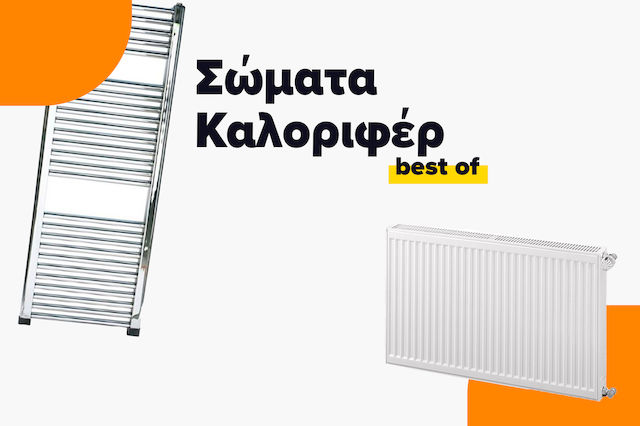
Ιδανική επιλογή για το μπάνιο. Στεγνώνεις πετσέτα, ζεσταίνεις το μπάνιο την ίδια στιγμή!
Καλοριφέρ με μικρότερη διέλευση νερού. Αυτό σημαίνει πως θερμαίνονται ταχύτερα (άρα κρυώνουν και πιο γρήγορα), έχουν πιο εύκολη τοποθέτηση και πιο μίνιμαλ αισθητική, που ταιριάζει περισσότερο σε σύγχρονους χώρους.
2. Στήλες
Τα θερμαντικά σώματα κατανείμονται και με βάση τις πόσες στήλες έχουν. Θα βρεις μονόστηλα, δίστηλα, τρίστηλα & τετράστηλα
3. Φέτες
Τα κλασικά, τα τύπου ΑΚΑΝ κατασκευάζονται σε φέτες, οι οποίες ενώνονται μεταξύ τους. Έτσι, θα βρεις θερμαντικά σώματα με 10, 14, 16, 18, 20 φέτες.
4. Μέγεθος
Τα περισσότερα σώματα καλοριφέρ έχουν ύψος περίπου από 300mm μέχρι 900mm και μήκος από 400mm μέχρι 2.000mm. Το μέγεθος επηρεάζει και τη θερμική απόδοση, άρα ο επαγγελματίας που θα σε βοηθήσει με την επιλογή, θα μπορεί να σου προτείνει και το καλύτερο δυνατό μέγεθος για τον χώρο σου.
5. Τύπος εγκατάστασης
Οι συνδέσεις με το δίκτυο βρίσκονται εσωτερικά του σώματος για καλύτερο αισθητικό αποτέλεσμα.
Οι συνδέσεις με το δίκτυο βρίσκονται εξωτερικά του σώματος.
6. Θερμική απόδοση
Η θερμική απόδοση, που απαιτεί ένας χώρος για να είναι ζεστός, μετριέται σε θερμίδες (Kcal) και καθορίζεται από τις απώλειες θερμότητας που πιθανόν έχει ο χώρος. Για τον υπολογισμό, απαιτείται μηχανικός, καθώς υπολογίζονται παράγοντες, όπως το εμβαδόν, η μόνωση κ.α.
Μια υψηλή θερμική απόδοση δεν σημαίνει απαραίτητα ότι αντιμετωπίζεται με τον καλύτερο τρόπο το πρόβλημα θέρμανσης.
Για παράδειγμα, αν ένα δωμάτιο για να ζεσταθεί χρειάζεται 1.500 Kcal για να ζεσταθεί κι εμείς τοποθετήσουμε ένα καλοριφέρ με 2.000 Kcal, το δωμάτιο θα ζεσταίνεται επαρκώς, αλλά o θερμοστάτης θα πέφτει πιο γρήγορα.
Μην ξεχνάς! Παρότι μπορείς να κάνεις τη δική σου έρευνα, για να βρεις και να συγκρίνεις σώματα καλοριφέρ, είναι απαραίτητη η συμβολή επαγγελματία μηχανικού που θα μπορέσει να κάνει τη μελέτη που χρειάζεται, για να κάνεις την καλύτερη δυνατή επιλογή.
Σχετικά Άρθρα
Τα καλύτερα σώματα καλοριφέρ
Οδηγός Αγοράς για Αντλίες Θερμότητας

Τι θερμοστάτη χώρου να πάρεις; Βρες τον κατάλληλο για τις ανάγκες σου!
Άφησε πρώτος το σχόλιό σου!