

Beauty from Within: A Holistic Approach!
A comprehensive guide to beauty from the inside out!
In the quest for eternal youth and beauty, many individuals turn to various skincare products and cosmetic procedures. While these external methods can undoubtedly enhance one's appearance, the key to true radiance lies within. Yes, you heard that right!
Beauty starts from within, and when it comes to achieving that coveted glow, focusing on nutrition is absolutely essential!

When we provide our body with the right combination of nutrients, the results manifest not only in our overall health but also in our appearance. Therefore, it is time to turn our attention to some dietary tips and supplements that can unlock the true potential of our beauty.
Vitamin E
Vitamin E is a fat-soluble vitamin with strong antioxidant properties, which has been used by the dermatological industry for more than fifty years. It removes harmful free radicals that cause skin damage and has photoprotective properties, allowing for the safe regeneration of new cells. In addition to its skin benefits, vitamin E prevents the risk of heart disease, contributes to lung health, and minimizes menstrual cramps.
The main food sources are:
- Hazelnuts, etc.
- Vegetable oils (such as almond oil, sunflower oil)
- Egg yolk
- Leafy vegetables (spinach, kale, etc.)
- Various fruits (such as mango, kiwi, avocado)


Vitamin C
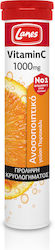
Vitamin C is a water-soluble vitamin widely used in both the cosmetics industry and the dietary supplements industry. Its contribution, apart from boosting the immune system, is found in the formation of collagen, which helps with the elasticity and uniformity of the skin, as well as in the prevention of fine lines and wrinkles.
The main food sources are:
- Vegetables: colorful peppers, spinach, broccoli, cauliflower, cabbage, garlic, etc.
- Fruits: orange, lemon, grapefruit, strawberry, pineapple, etc.


Vitamin D
In addition to its beneficial properties for bones and muscles, vitamin D contributes to the healthy appearance of the skin, as it promotes the growth and maturation of cells. Research has shown that taking a vitamin D supplement can help with certain skin conditions, while individuals with acne are quite likely to have a deficiency in this vitamin.
The best dietary sources of vitamin D:
- Salmon
- Cod liver oil
- Tuna
- Mushrooms


Biotin
Biotin or Vitamin B7 has received significant attention in the hair care community for enhancing the health of skin, hair, and nails. Studies have shown that B vitamins are key to the proper formation of red blood cells (RBC) that carry oxygen to tissues. Biotin acts as an important part of enzymes that break down fats, carbohydrates, and other substances and can be found in whole grains, nuts, seeds, spinach, rice, mushrooms, and bananas. Pure plant-based biotin supplements support the health of skin and nails along with other added benefits such as stronger immunity, endurance, energy, metabolism, enhancement of healthy blood cells, etc.
The best sources of biotin in the diet:
- Brewer's yeast
- Beef liver
- Hazelnuts
- Soybeans
- Wheat bran
- Peanuts
- Herrings


Probiotics
Your skin remains healthy as long as there is a balance between good, bad, and harmless microbes. However, an unhealthy diet, stress, chronic inflammation, and changes in the skin's pH levels can disrupt this balance. This can lead to dysbiosis - an imbalance between the good and bad microbes in the human microbiome. Since probiotics contain various good microbes, they can support other healthy bacteria in your body and restore the balance of the skin's microbiome.
Probiotics can help with these skin conditions:
- Eczema: Eczema is a common term for a group of skin conditions that can cause your skin to be dry, itchy, and inflamed. Eczema can occur due to a decrease in the level of ceramides - fats that retain moisture in your skin. Thus, probiotics that produce more ceramides in your skin also help with eczema.
- Acne: Scientists have found many topical and oral probiotics useful in reducing acne on the skin. Such probiotic skincare products usually contain the good bacterial strains of Streptococcus and Lactococcus.
- Wound Infections: Some studies have found probiotics useful in wound healing. One study found that the probiotic Lactobacillus plantarum could help in tissue repair and prevent infection of skin wounds.
Some of the best sources of natural probiotics:
- Yogurt
- Peas
- Sauerkraut
- Kefir
- Olives


Turmeric
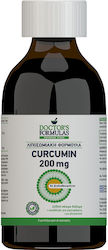
Curcumin can help in the healing of wounds by reducing inflammation and oxidation. It also decreases your body's response to skin wounds. This results in your wounds healing faster. Studies have found that turmeric can also positively affect tissues and collagen. Curcumin is also a potential alternative treatment for acne, a skin condition that occurs when hair follicles become clogged with oils and dead skin cells.




Green Tea
Green tea extract is known to have effects that help reduce the signs of aging, such as wrinkles and fine lines. It is particularly beneficial for skin that suffers from the discomforts associated with acne, eczema, psoriasis, rosacea, and other conditions similarly characterized by dryness, itching, inflammation, and irritation.


Brewer's Yeast
Brewer's yeast offers many benefits and is a true ally for health and beauty.
But above all, it is an ingredient rich in proteins, minerals such as magnesium, phosphorus, potassium, iron, calcium, and selenium (an excellent remedy against osteoporosis, it also acts as an antioxidant) and all B-group vitamins (stimulates the immune system's defenses, boosts the cardiovascular system, strengthens nails, hair, and skin). If you have dry skin or suffer from acne or pimples, yeast, thanks to its complex mineral composition, can help you as it cleanses the skin, making it softer and brighter. Additionally, it enhances the growth of nails and hair thanks to specific sulfur-rich amino acids.


Relevant Articles
What is the ideal time to take your vitamin or supplement?
Dietary supplements for every need
Protein Supplements: Find the Right One for You!

Be the first to leave a comment!