

Οδηγός Αγοράς για Activity Trackers
Όλα όσα χρειάζεται να ξέρεις πριν αγοράσεις activity tracker!
Οθόνη και Εργονομία: Οι κρυφές λεπτομέρειες
Δεν αρκεί να γράφει απλώς «έγχρωμη οθόνη». Για την απόλυτη εμπειρία χρήσης, πρέπει να ελέγξεις τρία συγκεκριμένα χαρακτηριστικά:
Ρυθμός Ανανέωσης (60Hz): Τα παλιότερα ή πολύ φθηνά bands είχαν οθόνες στα 30Hz, με αποτέλεσμα το μενού να φαίνεται ότι «κολλάει» όταν κάνεις scroll. Αναζήτησε οθόνη με ρυθμό ανανέωσης 60Hz για ομαλή, αστιαία απόκριση που θυμίζει το smartphone σου.
Φωτεινότητα (Nits) & Αυτόματος Αισθητήρας: Στον δυνατό ελληνικό ήλιο του καλοκαιριού, οι σκοτεινές οθόνες είναι άχρηστες. Επίλεξε συσκευή που αποδίδει από 600 nits και πάνω. Εξίσου κρίσιμο είναι να διαθέτει αισθητήρα αυτόματης φωτεινότητας (Auto-Brightness), ώστε να χαμηλώνει μόνο του το φως το βράδυ και να μην σε τυφλώνει.
Μηχανισμός Αλλαγής στο Λουράκι: Τα σύγχρονα μοντέλα έχουν εγκαταλείψει το παλιό σύστημα όπου πίεζες την κάψουλα να βγει από τη σιλικόνη. Πλέον διαθέτουν μηχανισμό γρήγορης απελευθέρωσης (Quick-Release) με ένα απλό κουμπί (push-button), επιτρέποντάς σου να αλλάζεις λουράκια (π.χ. από σπορ σιλικόνη σε υφασμάτινο ή μεταλλικό) σε 2 δευτερόλεπτα.
Αισθητήρες & Μετρήσεις: Πόσο αξιόπιστοι είναι;
Τα trackers χρησιμοποιούν οπτικούς αισθητήρες (PPG) στο κάτω μέρος τους, οι οποίοι ρίχνουν φως στο δέρμα για να διαβάσουν τη ροή του αίματος. Για να παίρνεις σωστές μετρήσεις, το band πρέπει να εφαρμόζει σταθερά, ένα δάχτυλο πάνω από το οστό του καρπού.
Πέρα από τα απλά βήματα, δώσε βάση στις εξής προηγμένες μετρήσεις:
VO2 Max (Μέγιστη Πρόσληψη Οξυγόνου): Είναι ο απόλυτος δείκτης της αερόβιας φυσικής σου κατάστασης. Το band υπολογίζει πόσο αποτελεσματικά το σώμα σου χρησιμοποιεί το οξυγόνο κατά την έντονη άσκηση.
Φορτίο Προπόνησης & Χρόνος Αποκατάστασης: Τα κορυφαία bands δεν καταγράφουν απλώς τι έκανες, αλλά σου λένε πόσες ώρες πρέπει να ξεκουραστείς μέχρι την επόμενη προπόνηση για να αποφύγεις τους τραυματισμούς.
Συνολικά Σκορ Υγείας (PAI / Vitality Scores): Αντί να κοιτάς τον ξεπερασμένο στόχο των 10.000 βημάτων, οι σύγχρονοι αλγόριθμοι βαθμολογούν την εβδομαδιαία ένταση της καρδιάς σου. Αν κάνεις 20 λεπτά έντονο τρέξιμο, κερδίζεις περισσότερους πόντους υγείας από ό,τι αν περπατάς χαλαρά για ώρες.
Ακρίβεια Ύπνου (REM & Διακοπές): Η καταγραφή ύπνου πλέον ξεχωρίζει τον ελαφρύ, τον βαθύ και τον ύπνο REM (όπου βλέπουμε όνειρα), ενώ καταγράφει την ποιότητα της αναπνοής σου για να εντοπίσει πιθανή υπνική άπνοια.

Το Ξεκαθάρισμα με το GPS: Ποιο σου ταιριάζει;
Η καταγραφή διαδρομής στο τρέξιμο ή το ποδήλατο γίνεται με δύο τρόπους. Η επιλογή εξαρτάται από το αν θέλεις να κουβαλάς το κινητό μαζί σου:
Connected GPS (Μέσω Smartphone): Το band δεν έχει δικό του τσιπ. Για να ζωγραφίσει τον χάρτη της διαδρομής, δανείζεται το GPS του κινητού σου μέσω Bluetooth. ? Ιδανικό για: Όσους τρέχουν ή περπατούν έχοντας ούτως ή άλλως το κινητό σε τσαντάκι ή στο μπράτσο τους.
Ενσωματωμένο Αυτόνομο GPS (Built-in GNSS): Το tracker διαθέτει τη δική του κεραία. Πατάς το «Start», αφήνεις το κινητό στο σπίτι και αυτό καταγράφει ταχύτητα, απόσταση και χάρτη με απόλυτη ακρίβεια. ? Ιδανικό για: Απαιτητικούς δρομείς και αθλητές που θέλουν απόλυτη ελευθερία κινήσεων. Προσοχή: Η χρήση του αυτόνομου GPS καταναλώνει αρκετή μπαταρία.
Μπαταρία: Τι ισχύει στην πραγματική χρήση;
Οι κατασκευαστές διαφημίζουν συχνά «14 ημέρες αυτονομία». Για να ξέρεις τι να περιμένεις στην πράξη, πρέπει να γνωρίζεις ποιες ρυθμίσεις «ρουφάνε» την ενέργεια:
Η βαριά χρήση (5-7 ημέρες): Αν ενεργοποιήσεις την Always-On οθόνη (AOD), τη συνεχή 24ωρη μέτρηση παλμών ανά 1 λεπτό, την αυτόματη μέτρηση οξυγόνου (SpO2) στον ύπνο και το στρες, η μπαταρία θα μειωθεί στο μισό.
Η τυπική χρήση (10-14 ημέρες): Αν η οθόνη ανάβει μόνο όταν γυρνάς τον καρπό σου και οι μετρήσεις υγείας γίνονται έξυπνα (π.χ. παλμοί ανά 10 λεπτά), θα ξεχνάς κυριολεκτικά πού έβαλες τον φορτίστη.
Smart Λειτουργίες, Πληρωμές και Οικοσύστημα
Ένα activity tracker είναι τόσο καλό όσο και η εφαρμογή με την οποία συνεργάζεται στο κινητό σου.
Ανέπαφες Πληρωμές (NFC) στην Ελλάδα: Αν επιλέξεις έκδοση με NFC (π.χ. μοντέλα με υποστήριξη Xiaomi Pay ή Garmin Pay), μπορείς να πληρώνεις στα POS. Βεβαιώσου όμως εκ των προτέρων ότι η τράπεζά σου υποστηρίζεται από τη συγκεκριμένη υπηρεσία (εναλλακτικά, πολλοί χρήστες συνδέουν μια ψηφιακή κάρτα της Curve για να παρακάμψουν τους περιορισμούς των ελληνικών τραπεζών).
Συμβατότητα (Android vs iPhone): Παρότι τα trackers συνδέονται άψογα και με τα δύο λογισμικά, το iOS της Apple έχει αυστηρούς περιορισμούς. Για παράδειγμα, η δυνατότητα να στείλεις γρήγορες απαντήσεις (Quick Replies) σε μηνύματα από το Viber ή το SMS, λειτουργεί κατά κανόνα μόνο αν έχεις κινητό Android.
Η Ποιότητα της Εφαρμογής: Εταιρείες όπως η Garmin προσφέρουν κορυφαία, επαγγελματική ανάλυση δεδομένων εντελώς δωρεάν. Η Fitbit (Google) έχει εξαιρετικούς αλγόριθμους, αλλά κρύβει ορισμένα προχωρημένα στατιστικά πίσω από μηνιαία συνδρομή (Fitbit Premium). Εφαρμογές όπως το Mi Fitness (Xiaomi) είναι εξαιρετικά φιλικές και πλήρεις για τον μέσο χρήστη χωρίς κανένα κρυφό κόστος.
Μην ξεχνάς, ότι πολλές φορές μπορεί να υπάρχει διαφορά σε ένα προϊόν, με βάση τα συνολικά χαρακτηριστικά του αλλά και την κατασκευή. Πριν αποφασίσεις, διάβασε και τις κριτικές άλλων χρηστών, για να δεις και τη δική τους γνώμη και να τα συγκρίνεις με τη χρήση που θες να κάνεις εσύ!
Μπορείς να ρίξεις μια ματιά και στον οδηγό με τα καλύτερα activity tracker για το 2026, όπου θα βρεις τις καλύτερες επιλογές με βάση το feedback των χρηστών.
Σχετικά Άρθρα
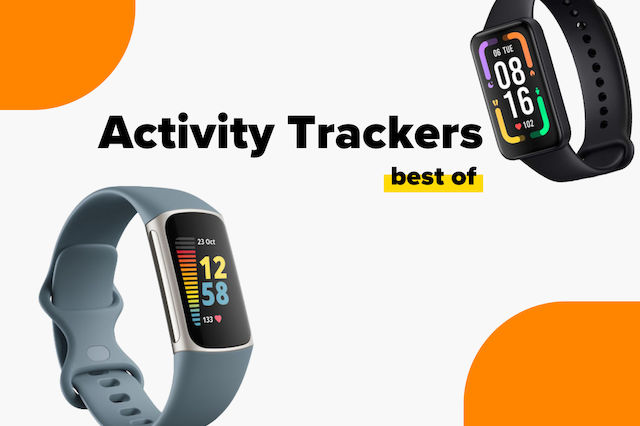
Τα καλύτερα Activity Trackers για το 2026
Ψάχνεις smartwatch; Βρες ποιο να αγοράσεις & τι να προσέξεις!

Μετράς βήματα;
Άφησε πρώτος το σχόλιό σου!