

Η εξέλιξη στην εμφάνιση του Άγιου Βασίλη μέσα στα χρόνια
O Άγιος Βασίλης στην διεθνή λαογραφία αποτελεί το κυρίαρχο πρόσωπο των Χριστουγέννων και της Πρωτοχρονιάς και είναι αγαπημένος ήρωας μικρών και μεγάλων. Η αρχική του μορφή όμως ως ένας μεγάλος κύριος, με ροδαλά μάγουλα και κοιλίτσα, πρωτοεμφανίστηκε το 1823 από τον εικονογράφο Τόμας Ναστ και δημοσιεύτηκε στο ποίημα «Α visit from St. Nicholas».
Παρόλα αυτά η ιδέα ενός καλού κυρίου που μοιράζει δώρα σε σπίτια που το έχουν ανάγκη, υπήρχε αιώνες πριν, ξεκινώντας όπως όλα δείχνουν από τον Έλληνα Επίσκοπο Άγιο Νικόλαο, ο οποίος κυκλοφορούσε και μοίραζε δώρα και χρήματα στους φτωχούς, πετώντας από τις καμινάδες των σπιτιών γιατί ήταν ντροπαλός.
Στη Βρετανία η μορφή αυτή παρουσιάστηκε ως «Ο Πατέρας των Χριστουγέννων», ενώ στην Ολλανδία ως Sinterklaas. Στην Γερμανία γιόρταζαν τον Christkind και στην Ιταλία την Befana. Ο Άγιος Βασίλης όπως διαμορφώθηκε μεταγενέστερα, αποτελεί ένα κράμα όλων των πιο πάνω τοπικών μύθων συνδυάζοντας χαρακτηριστικά από όλες αυτές τις ιστορίες.
Η στολή του δεν ήταν πάντα όπως την ξέρεις, αλλά έχει εξελιχθεί μεσα τα χρόνια, ενσωματώνοντας διάφορες επιρροές από την τέχνη, τη λαϊκή παράδοση, και τα μέσα ενημέρωσης. Αυτή η εξέλιξη αποτελεί απόδειξη του πώς ο Άγιος Βασίλης έχει ενσωματωθεί στον πολιτισμό μας και έχει γίνει αγαπημένη φιγούρα σε όλο τον κόσμο.
Αναλυτικά, η εξέλιξη αυτή μπορεί να περιγραφεί ως εξής:
- Πρώιμες Αναφορές (4ος - 19ος αιώνας):
Συνδεόταν με τον Άγιο Νικόλαο, έναν Βυζαντινό επίσκοπο, ο οποίος φορούσε ρόμπα κληρικού και στολή επίσκοπου. Το χρώμα της στολής πρωτογνωρίστηκε ως κόκκινο, χωρίς να είναι όμως η κυρίαρχη απόχρωση. .
- Αρχές 19ου αιώνα:
Στη διάρκεια του 19ου αιώνα, άρχισε να φορά το πιο αναγνωρίσιμο κόκκινο κοστούμι με λευκές γούνες, εμπνευσμένο από τη φινλανδική παράδοση του "Joulupukki" (Χριστουγεννιάτικος Κύριος).
- Δεκαετία του 1930:
Η Coca-Cola συνέβαλε σημαντικά στη διαμόρφωση της εικόνας του Άγιου Βασίλη που έχουμε σήμερα. Στις διαφημίσεις της, ο Άγιος Βασίλης παρουσιάζεται ως χαρούμενος, παχουλός, με κόκκινη στολή, λευκές γούνες, μαύρες μπότες, και κόκκινο καπέλο με λευκό pom-pom.

Δεκαετία του 1950:
Η στολή εξελίσσεται ελαφρώς, αλλά η βασική εικόνα παραμένει σταθερή. Ο Άγιος Βασίλης γίνεται ακόμη πιο διαδεδομένος ως παγκόσμιος φιλάνθρωπος.
Σύγχρονη Εποχή:
Σήμερα, η στολή του Άγιου Βασίλη συνεχίζει να είναι κόκκινη, με λευκές γούνες και μαύρες μπότες. Ωστόσο, υπάρχουν πολλές περιφερειακές διακοσμητικές παραλλαγές, καθώς οι τοπικές παραδόσεις επιδρούν στον τρόπο με τον οποίο ο Άγιος Βασίλης αναπαρίσταται σε διάφορες χώρες.
Για παράδειγμα:
Στην Εσθονία, ο Άγιος Βασίλης, ή "Jõuluvana," φορά ένα μπλε κοστούμι με λευκές λεπτομέρειες και συχνά ένα μακρύ λευκό παλτό.
Στη Γερμανία, ο Άγιος Βασίλης, ή "Weihnachtsmann," φορά παρόμοιο κόκκινο κοστούμι, αλλά συχνά φορά μπότες και έχει λιγότερη γούνα.
Σε ορισμένες περιοχές, συνδέεται με τον Βόρειο Πόλο και τον Άγιο Βασίλη του Βόρειου Πόλου. Εδώ, η στολή του έχει μια πιο παγωμένη αισθητική, με περισσότερο λευκό χρώμα και λεπτομέρειες που αντικατοπτρίζουν τον χειμερινό παγωνιά.
Σχετικά Άρθρα

Οδηγός Αγοράς για Water & Air Flossers
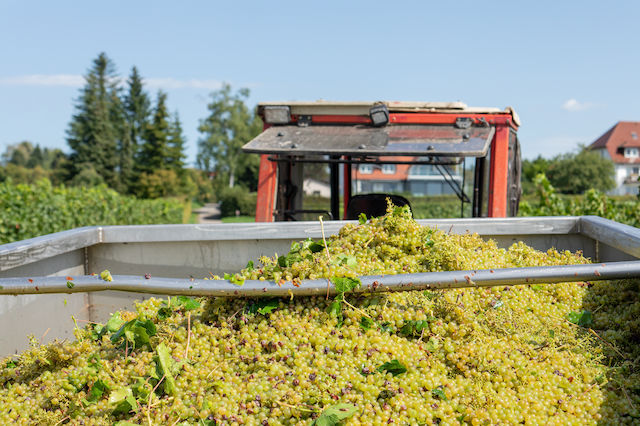
Οδηγός Αγοράς: Σπαστήρες Σταφυλιών

Οι καλύτεροι HDD Σκληροί δίσκοι για κάθε χρήση

Άφησε πρώτος το σχόλιό σου!