

Tails on Trails or, in other words, a guide to safe hiking with your dog!
Everything you need to know!
From choosing the right trail to preparing your dog and the necessary equipment, this guide will help you understand the steps you need to follow for a safe and fun hike with your four-legged companion.

Choosing the Right Trail
The first and most important decision you need to make before starting a hike with your dog is choosing the right trail. When selecting the trail, there are many factors to consider to ensure a positive experience and the safety of your dog.
1. Difficulty Level
Look for a trail that is suitable for your dog's fitness level. An easy trail is ideal for beginners, while more advanced hikers might seek out more challenging routes!
2. Length of the Route
It's good to consider the distance you plan to cover. It's important to choose a distance that matches your dog's experience and endurance.
3. Dog Permits
Check if the trail allows dogs. Some national parks or areas may have restrictions.

Preparation for Hiking:
Before you start hiking, it is essential to prepare yourself and your dog. Good preparation ensures a comfortable and safe experience for everyone!
1. Dog's Health:
Before each hike, it is good to check your dog's health. Make sure they have all the necessary vaccinations and are in good physical condition. If there are any concerns, consult your veterinarian.
2. Equipment for the Dog:
Ensure you have the right equipment for your dog. A good leash, a comfortable harness, and necessary accessories like a water bowl are essential. A first aid kit would also be useful. This kit should include: sterile gauze, bandages, scissors, styptic powder, antiseptic, electrolyte replacement for dogs, and cortisone for potential allergies.
3. Supplies:
Bring the essentials: water for you and your dog, food, treats, and a portable bowl for your dog. It is important not to exhaust your resources during the hike. Remember, when you stop for a snack along the trail, do not let your dog consume a large meal. It is very dangerous to exercise with a full stomach. Instead, give them small, frequent snack-sized meals. Also, treats with high protein content.
4. Training Your Dog for Hiking:
Regular practice of training skills and commands based on reward at home and on walks will help them feel comfortable and confident in different situations and environments.
Basic Commands
Before you start, make sure your dog knows basic commands like "sit," "come here," and "wait." These commands are particularly useful during the hike.
Socialization
Ensure your dog is comfortable with other animals and people. Good socialization reduces the risk of conflicts and creates a positive experience.
Reactions to Other Animals
Train your dog to react properly to other animals, such as birds or wildlife, that you may encounter on the trail.
-
 Dog Treats
-
 Dog Leashes & Leads
-
 Dog Collars
-
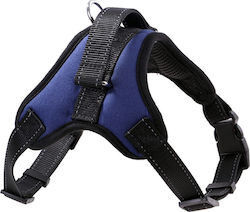 Dog Collars
-
 Dog Waste Collection Items
-
 Dog Bottles
Do you have questions? We’ll answer them!
- Is it safe to go hiking with my dog?
For most dog breeds, hiking is a great way to provide them with physical and mental stimulation. It also allows you to bond with your dog, gives them the chance to get out of the house and explore new places.
- How long can a dog hike?
This depends on your dog’s breed, age, and fitness level. Even if your dog is perfectly healthy, that doesn’t mean they can hike all day. For example, brachycephalic dogs, such as pugs and boxers, cannot hike long distances because they have short muzzles and flat faces, which can lead to breathing problems. It’s best to consult your veterinarian or trainer before planning the hike.
- How do I protect my dog’s paws on long hikes?
If you’re going somewhere with soft, grassy trails, you don’t need to worry too much about your dog’s paws. But rough terrain is not a particularly paw-friendly environment for your dog, so it’s better to bring essentials with you, such as some healing/regenerating cream for paws.
- Can small dogs walk long distances?
Yes, small dogs can hike long distances, but not as much as large breeds. Start with a short hike and gradually increase the pace and distance. Again, regardless of your dog’s breed or size, consult your veterinarian about your dog’s overall fitness before starting the trip.


Skroutz Tips!
- Allow your dog to take short breaks. Letting them rest is vital for their well-being.
- Check your own equipment and your dog's equipment to ensure there are no damages or losses.
- Assess your dog's overall condition. If you notice signs of fatigue or health issues, consult your veterinarian.
- Before leaving, double-check the area for any litter and make sure you leave the environment as clean as you found it.
- Take a moment to connect with your dog. Reflect on the experiences you shared and reward them for their good behavior.

Relevant Articles

Dog Dry Food Buying Guide

World Cat Day: Fun facts & useful products for every cat parent!

The Best Wire Dog Crates for Every Use

Be the first to leave a comment!