
Does it matter what time I take my vitamins?
A balanced diet can meet our needs for vitamins and nutrients, but often it is a fact that we need to take additional vitamin supplements to meet our needs.
Normally, most vitamins can be taken at any time of the day. However, some vitamins are better absorbed under specific conditions, so it is good to know how and when to take a supplement to promote optimal absorption.
Let's categorize them and see how and when we can take them for the best result.
Water-soluble vitamins
As the name suggests, water-soluble vitamins dissolve in water. Therefore, for their absorption, they do not need to be taken with food. There are nine water-soluble vitamins, which include vitamin C, plus the eight B vitamins - B1 (thiamine), B2 (riboflavin), B3 (niacin), B5 (pantothenic acid), B6 (pyridoxine), B7 (biotin), B9 (folic acid), and B12 (cobalamin). It is important to consume these vitamins regularly, as they are not easily stored in the tissues of our body and the excess is excreted through urine.
Vitamin C
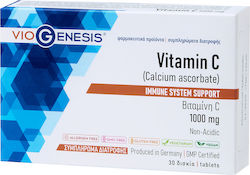
Vitamin C helps boost the immune system and iron absorption. Additionally, it contributes to strengthening human bones, reducing fatigue and tiredness, and the normal functioning of the nervous system. There are various forms of vitamin C supplements, including ascorbic acid, ascorbic acid with bioflavonoids, liposomal vitamin C, and calcium ascorbate. Ascorbic acid supplements have bioavailability similar to that found in foods such as fruits and vegetables. You can take vitamin C supplements at any time of the day, with or without food, although taking ascorbic acid with food may help reduce potential gastrointestinal side effects caused by its high acidity. Also, note that since excess vitamin C is excreted, doses above 1,000 mg are usually not needed - except in specific cases. Additionally, it would be effective to take doses above 1000mg in 2 doses throughout the day for better absorption.
B Vitamins
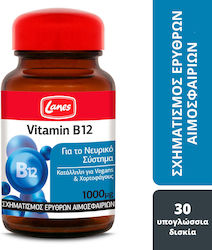
B vitamins are sold individually or as B-complex supplements that contain all eight B vitamins. Since they are water-soluble, you can take them with or without food and at any time of the day. It is often recommended to take B vitamins in the morning due to their significant role in nutrient metabolism and energy production. Additionally, some people may benefit from taking B vitamins on an empty stomach. For example, individuals with B12 deficiency are advised to take B12 supplements on an empty stomach with water to promote maximum absorption.
Fat-Soluble Vitamins
Unlike water-soluble vitamins, fat-soluble vitamins depend on fat for proper absorption. Therefore, it is generally recommended to take fat-soluble compounds with a meal that contains fat.
Vitamin A
Vitamin A deficiency is rare, and with the consumption of a balanced diet, supplementation is usually not necessary.
Vitamin D
It is essential for immune function, bone health, cellular growth, and much more. Unfortunately, most people worldwide are deficient in this crucial nutrient. Vitamin D can be taken at any time of the day, and most of these supplements should be taken with meals or snacks that contain fat to ensure optimal absorption. It is important to note that the activation of vitamin D depends on the presence of adequate magnesium levels. Therefore, to maintain healthy vitamin D levels, make sure you are also getting enough magnesium.
Vitamin E
It acts as an important antioxidant in your body and is essential for healthy blood flow and immune function. It is also a popular dietary supplement, even though this nutrient is found in many foods and deficiency is rare.
Vitamin K
Vitamin K refers to a family of fat-soluble compounds that includes vitamin K1 (phylloquinone) and vitamin K2 (menaquinones). Vitamin K is essential for blood clotting, bone health, heart health, and much more. Because most people get enough vitamin K through their diet, high-dose supplementation is not recommended. However, vitamin K supplements may affect certain anticoagulant medications.

Multivitamins
Multivitamins typically contain a variety of vitamins and minerals. Some people prefer multivitamin supplements over single-nutrient supplements because they are convenient and may be less expensive. Since these supplements usually contain both fat-soluble and water-soluble vitamins, it is generally recommended to consume them with a meal. This can enhance the absorption of certain nutrients while reducing the risk of gastrointestinal disturbances, which might otherwise occur when taking a multivitamin on an empty stomach. If you take two or more pills a day, consider splitting the dose to help your body absorb certain nutrients more effectively. For example, take one pill with breakfast and one with lunch.
In Conclusion:
Your body absorbs and stores nutrients in different ways.
This should be taken into account when taking single-nutrient supplements and multivitamins. If you have questions about dietary supplements, a health specialist, such as your nutritionist or pharmacist, can provide you with information on proper dosage and recommend supplements based on your specific health needs.
"We recommend for you:"





Relevant Articles

The best built-in ovens

The best freestanding kitchens

Buying Guide for Ovens & Hobs

Be the first to leave a comment!