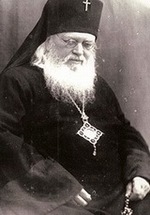
Αρχιεπίσκοπος Άγιος Λουκάς
Ο άγιος Λουκάς γεννήθηκε στο Κερτς της Ουκρανίας το 1877 και σπούδασε ιατρός. Από νωρίς διακρίθηκε για την ικανότητά του στην τοπική αναισθησία, κάνοντας 538 εγχειρήσεις με μεγάλη επιτυχία σε ηλικία μόλις 33 ετών. Το 1919 εξελέγη Καθηγητής Χειρουργικής του Πανεπιστημίου της Τασκένδης. Την ίδια χρονιά σε ηλικία 38 ετών έχασε από φυματίωση τη σύζυγό του Άννα, με την οποία είχαν αποκτήσει τέσσερα παιδιά. Το 1921 χειροτονήθηκε ιερέας συνδυάζοντας τα ποιμαντικά με τα ιατρικά του καθήκοντα.
Ο άγιος Λουκάς είναι ένας σημαντικός επιστήμονας της εποχής του στο χώρο της ιατρικής. Ένα κλασικό έργο του, το οποίο εκδόθηκε το 1934, είναι το βιβλίο Δοκίμια για την χειρουργική των πυογόνων λοιμώξεων. Τιμήθηκε με το Βραβείο Στάλιν, την κορυφαία διάκριση της προπολεμικής Ρωσίας. Ο ίδιος απείχε από την απονομή (αντίδραση αδιανόητη εκείνη την εποχή), χαρίζοντας το χρηματικό ποσό από το βραβείο στους πτωχούς.
Αν και επιτυχημένος χειρουργός και πρωτοπόρος συγγραφέας σαράντα επιστημονικών έργων, ο άγιος Λουκάς διώχθηκε για την ορθόδοξη χριστιανική πίστη του από το σοβιετικό καθεστώς από το 1922 μέχρι και την τελευταία πνοή του στις 11 Ιουνίου 1961, με συλλήψεις, βασανιστήρια, εξορίες, κακουχίες και 11 χρόνια φυλακής. Σε όλο αυτό το διάστημα συνέχισε αδιάκοπα την ιατρική βοηθώντας όσους είχαν ανάγκη. Η ζωή του αποτελεί πρότυπο προσφοράς στον πάσχοντα συνάνθρωπο. Στις 25 Μαΐου 1996 ανακηρύχθηκε άγιος από το Πατριαρχείο της Ρωσίας.
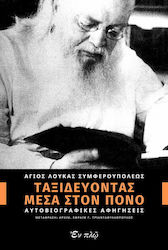
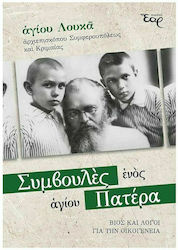


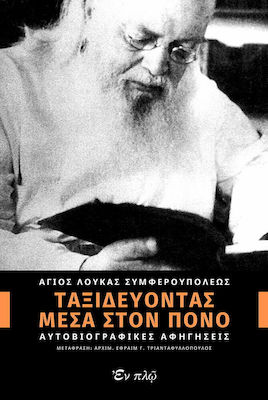 Βιβλία Θρησκείας & Μεταφυσικής
 Βιβλία Θρησκείας & Μεταφυσικής
 Επιστημονικά Βιβλία