Zeev Sternhell

Zeev Sternhell
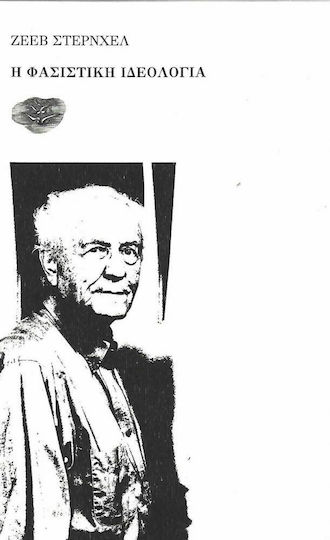
Ο Ζέεβ Στέρνχελ γεννήθηκε στο Przemyl της Πολωνίας το 1935. Εβραϊκής καταγωγής, κατόρθωσε να επιβιώσει από τους ναζιστικούς διωγμούς με τη βοήθεια δύο καθολικών πολωνικών οικογενειών. Με τη λήξη του πολέμου εγκαταστάθηκε στη Γαλλία, πήγε σε γαλλικό σχολείο και, όπως λέει ο ίδιος, ανακάλυψε με ενθουσιασμό τις αρχές της ελευθερίας, των ανθρωπίνων δικαιωμάτων και του κοσμικού κράτους τις οποίες υπηρετούσε και μετέδιδε με πίστη και αφοσίωση η γαλλική δημόσια εκπαίδευση. Το 1951, σε ηλικία 16 ετών, μετανάστευσε στο Ισραήλ. Εργάστηκε σε κιμπούτς και σπούδασε ιστορία και πολιτικές επιστήμες στο εβραϊκό Πανεπιστήμιο της Ιερουσαλήμ. Έκανε μεταπτυχιακές σπουδές στο Παρίσι, στο Ινστιτούτο Πολιτικών Επιστημών, όπου και εκπόνησε τη διδακτορική του διατριβή. Διετέλεσε καθηγητής πολιτικής επιστήμης στο εβραϊκό Πανεπιστήμιο της Ιερουσαλήμ (έδρα Λεόν Μπλουμ). Ενεργό μέλος του ειρηνιστικού κινήματος στο Ισραήλ, ιδρυτικό μέλος της οργάνωσης "Ειρήνη τώρα", τακτικός αρθρογράφος της εφημερίδας Haaretz, είχε ταχθεί εναντίον της κατοχής των παλαιστινιακών εδαφών από το Ισραήλ. Το 2008 τιμήθηκε μετο Κρατικό Βραβείο Πολιτικών Επιστημών του Ισραήλ, γεγονός που προκάλεσε τις έντονες αντιδράσεις εθνικιστικών και ακροδεξιών κύκλων της χώρας. Είναι χαρακτηριστικό ότι στις 25 Σεπτεμβρίου 2008 πληγώθηκε ελαφρά από έκρηξη παγιδευμένου μηχανισμού στο σπίτι του. Ο Στέρνχελ, ακούραστος μελετητής του έργου των κλασικών του Διαφωτισμού Βολταίρου, Μοντεσκιέ, Ρουσσώ και Καντ, υποστήριζε ότι η ιστορία των τελευταίων τριών αιώνων σφραγίζεται από τη συνεχή διαμάχη των οπαδών και των εχθρών του Διαφωτισμού. Υπάρχουν δύο αντίθετοι τρόποι για να κατανοήσει κανείς τη νεωτερικότητα: αυτός που αναζητεί την ατομική ευτυχία, την ελευθερία, την πρόοδο, την ανεκτικότητα, κι εκείνος που εξυμνεί τις πολιτιστικές ιδιαιτερότητες και τις αξίες της κοινότητας. Οι οπαδοί του Διαφωτισμού έχουν ως κοινό σκοπό την απελευθέρωση του ατόμου από τους καταναγκασμούς της ιστορίας και τα δεσμά της παράδοσης. Ο άνθρωπος, ως ορθολογικό ον, ελεύθερο και αυτόνομο, δεν έχει πλέον ανάγκη ούτε την ιστορία, ούτε τη θρησκεία, ούτε την κηδεμονία. Οι εχθροί του Διαφωτισμού, από τον Herber έως τον Huntington, εξυμνούν την ιστορία, την κουλτούρα, τη γλώσσα, στρέφονται εναντίον της ιδέας της αυτονομίας του ατόμου, εναντίον της καθολικότητας των ανθρωπίνων δικαιωμάτων. Αν η διαφωτισμένη νεωτερικότητα είναι εκείνη του φιλελευθερισμού που οδηγεί στη δημοκρατία, η άλλη νεωτερικότητα, που εμφανίζεται στις αρχές του 20ού αιώνα, παίρνει τη μορφή της επαναστατικής, εθνικιστικής, κοινοτιστικής Δεξιάς, που είναι ορκισμένος εχθρός των οικουμενικών αξιών. Κυριότερα έργα του: - "Maurice Barres et le nationalisme francais", 1972. - "La Droite revolutionnaire, 1885-1914. Les origines francaises du fascisme", 1981. - "Ni droite ni gauche. L' ideologie fasciste en France", 1983. - "Naissance de l' ideologie fasciste" (με τους Mario Sznajder και Maia Asheri), 1989. - "L' Eternel Retour. Contre la democratie, l' ideologie de la decadence" (επιμ.), 1994. - "Aux origines d' Israel. Entre nationalisme et socialisme", 1996.
-
Πολιτικά Βιβλία
-

Όλες οι κατηγορίες

Κατηγορίες
0
 Πολιτικά Βιβλία
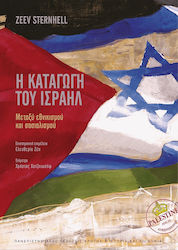
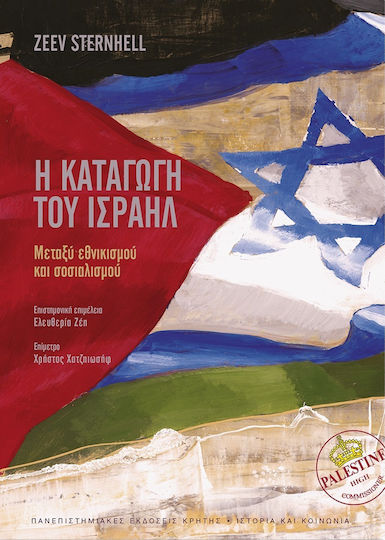
Η Καταγωγή του Ισραήλ, Μεταξύ Εθνικισμού και Σοσιαλισμού
Zeev Sternhell, 2021
από12,00 € σε 10 καταστήματα0